
Sustainable Cooling Matters
 Sandipta Rath, Anwesha Mishra, Sruti Mohapatra, Purnasha Pany
By Sandipta Rath, Anwesha Mishra, Sruti Mohapatra, Purnasha Pany
CHHANW team, Institute of Economic Growth
“Buying an AC was never a choice but a need. When my father collapsed due to sunstroke during work, we made the decision to prioritize his health even if it means we will be tied to monthly installments and high electricity bills forever.”
– Daughter of an elderly outdoor worker, living in a slum area in Bhubaneswar
Vulnerable populations residing in low income settlements such as slums, often bear the maximum brunt of extreme heat during the summer months in India. The elderly, children and outdoor workers, are vulnerable to health risks, with little or no access to cooling equipment or sustainable cooling options.
Houses in these underserved slums are described as “furnaces” by the inhabitants, with structures made of tin, asbestos and concrete that trap heat with limited ventilation and inadequate cooling mechanism. This continuous exposure to heat, without the means to cool down the body temperature, pushes the residents towards heat-related illnesses (HRIs). In a recent survey conducted on heat-health risks by the CHHANW project team, HRIs reported ranged in severity from heat exhaustion, sleeping disorders, dizziness and dehydration to more acute conditions such as heatstroke and even death.
Experiencing “Heat Poverty,” is a growing concern amidst the vulnerable. While cooling has become an inescapable necessity, the financial burden associated with maintaining thermal comfort adds another layer of vulnerability to financially constrained households. Air conditioning is set to become the most prevalent heat-coping strategy worldwide, with sales increasing multifold across all segments of society over the last few decades. For many though, the capital and operational expenses incurred often outweighs the comforts.
Bhubaneswar, Odisha, is known for its high heat stress conditions in summer, with high temperatures combining with high levels of humidity reaching up to 80%. Within Bhubaneswar, a total of 40 heat zones have been identified, with the urban heat island effect playing a major role in raising the temperature (Swain et al., 2017). In low resource settings, the dire heat conditions have pushed some households to incur debt to purchase an air conditioner to protect the health and well-being of their family members.
In the primary survey conducted under the CHHANW project, in Bhubaneswar, individuals who sought treatment for HRIs, reported that the average total treatment cost incurred equaled ₹2370 for out-patient services and ₹3368 for in-patient/ hospitalisation services.
Describing her family’s struggle, a young woman residing in a slum, described the difficult decision of buying an air conditioner, despite it being unaffordable for the most part. Her father, an elderly outdoor worker suffering from diabetes, experienced a severe sunstroke that resulted in an extended period of illness and high medical costs. The family took a loan to purchase the air conditioner, with monthly installments and increased electricity bills resulting in a continuous financial strain. However, the family considered the air conditioner more affordable than the cost of suffering, after failing to gain respite from other available cooling options such as ceiling fans.
They observed a positive shift in the health of their father, who adjusted his work schedule to working in the evening hours, while resting during the peak afternoon heat. The installation of the air conditioner improved the thermal comfort of the father and the other members of the household.
The woman further stated,
“Even though we are paying for it every month, at least my father is alive and recovering.”
This story captured from the field highlights the multiplication of vulnerabilities compounded by age and chronic diseases that lead to serious heat related health risks. Heat disproportionately affects elderly people, as the ability of the body to dissipate heat slows down with age. The presence of co-morbidities such as diabetes, hypertension and other chronic conditions exacerbates the health risks. Access to cooling mechanisms becomes essential to preserve the health of the elderly.
While air conditioning may appear to be an inevitable solution to prevent heat-related illnesses (HRIs), and specially so among the elderly, it places a financial strain on households, compromising their ability to invest in other essential needs of household members. There is a critical need to develop low-cost and sustainable cooling alternatives. Investments are required in sustainable cooling strategies, which are affordable, scalable and do not contribute to the core problem, which is of increasing GHG emissions and a warming planet.
For more information, please check: https://chhanw.com/ (Website)
https://www.linkedin.com/company/chhanw/posts/?feedView=all (LinkedIn)
Sandipta Rath, Anwesha Mishra, Sruti Mohapatra, Purnasha Pany
Related Post

Where is heat on my priority list?
The intensity and severity of heatwaves in India and across the globe have been steadily rising. Some desert regions in India are now experiencing extreme temperatures—reaching as high as 52°C. What once felt exceptional is now becoming the norm. Every summer, the front pages of newspapers have startling headlines on how heat has broken a […]

I am not stronger than heat: Heat-Health Risks Call for Urgent Action from Employers
Summers are getting hotter, and for outdoor workers, the heat isn’t just uncomfortable — it can be dangerous. During my visit to a low-income setting in Jaipur, I met Kishore Kumar (name changed), a 42-year-old construction labourer who learned the hard way how prolonged exposure to extreme heat can take a serious toll — not […]

To ORS or not to ORS?
Countries across the world have been facing increased temperature coupled with rising frequency and intensity of heat waves. Heat is often associated with an array of physiological impacts including heatstroke, dizziness, dehydration and in severe cases, even death. Among these, dehydration has been associated with all age groups with higher vulnerability among infants, younger children […]

We successfully hosted a Co-Principal Investigators (Co-PI) Meeting on 4–5 June 2025 at the Institute of Economic Growth (IEG), New Delhi, convening researchers and experts from IEG, DEFT, and IIHMR to align on the next phase of our ongoing heat-health project. Over the course of two productive days, we: Shared key findings from the Bhubaneswar and Jaipur household surveys Discussed strategies for intervention design and content development Reviewed global best practices to inform localized heat-health solutions Finalized a shortlist of pilot interventions for testing Charted a roadmap for implementation across the project sites. This meeting marked an important step toward collaborative, evidence-based action to build climate resilience in vulnerable urban communities.
Where is heat on my priority list?
Girika Sharma
The intensity and severity of heatwaves in India and across the globe have been steadily rising. Some desert regions in India are now experiencing extreme temperatures—reaching as high as 52°C. What once felt exceptional is now becoming the norm. Every summer, the front pages of newspapers have startling headlines on how heat has broken a new record, TV anchors warn people not to step outside in the afternoon, while energy drink advertisements flood our personal electronic screens.
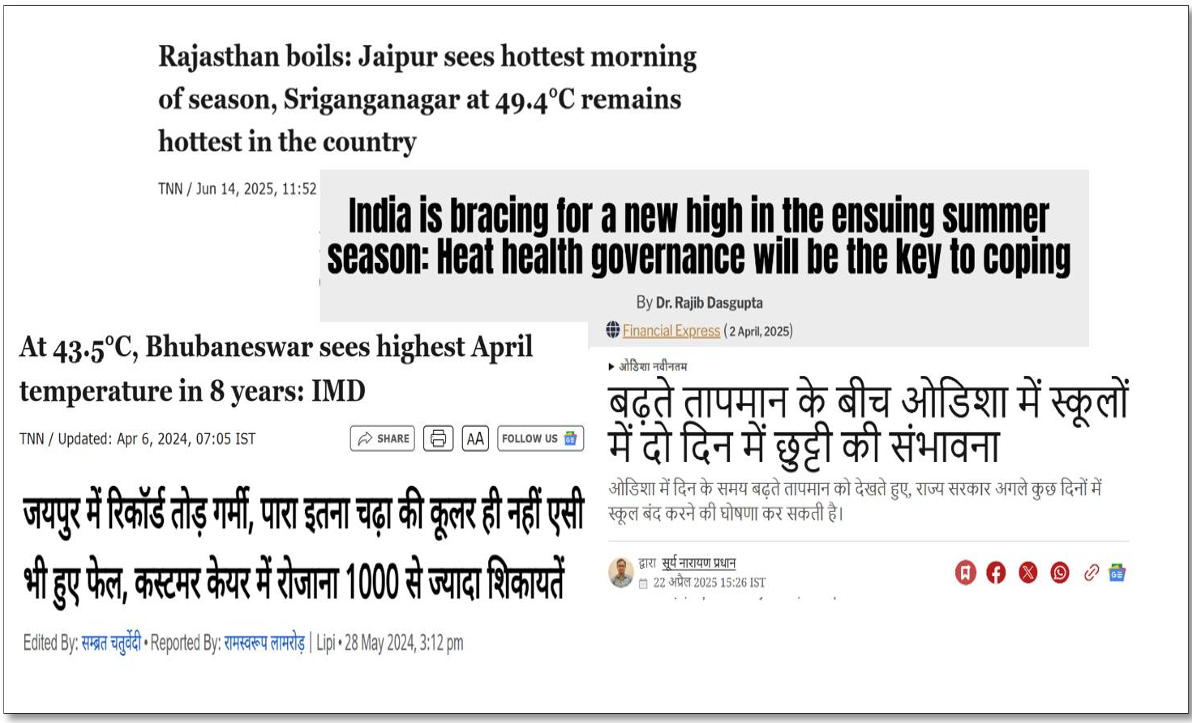
We hear about various heat-related advisories about what to do and what not to do. But the real question is: Where does heat sit in people’s list of priorities? Can everyone afford to stay indoors during peak heat hours? Can they avoid outdoor work or choose not to cook in front of a wood-fired stove? Can everyone afford to have energy drinks? During our field visits to low income settlements in Jodhpur, Rajasthan—a desert region known for its dry heat—we asked residents about how rising temperatures were affecting their lives and what was their perception about increasing heat. Their responses were revealing: “We have bigger problems to worrabout.”; “We’re used to the heat, we have no option.”; “We don’t even have electricity”; “Ourhomes get flooded in the rainy season”; “We don’t have enough to eat or enough money to send our children to school” In Bhubaneswar, the same questions elicit different responses –“heat makes me feel fatigued,” “heat is exhausting” and “we get heatwave warnings” is oft accompanied by “but, I don’t seek treatment for it”, “there isn’t much to do about it”, or “home remedies are the only things to do”.
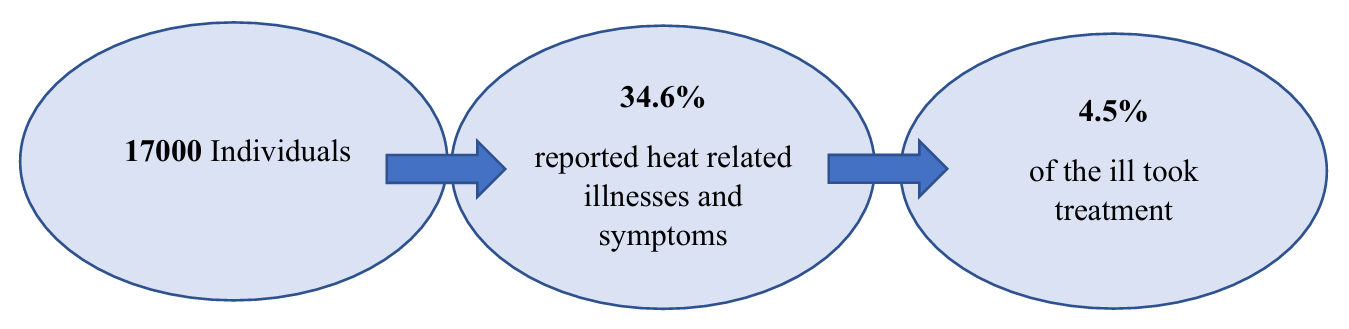
It became abundantly evident, that for many heat is not a concern to be denied, not is it one to be prioritised. Extreme heat while being recognised as causing discomfort, is a part of normal life, to be indeed “normalised”, and coping with heat doesn’t really make it to the top of the to do list. in a list of things to do. No doubt the list of vulnerabilities can appear overwhelming and play a significant role which contributes to normalization of heat. Nonetheless, there is a
lot to build upon – the presence of some level of awareness of heat related illnesses, , using home remedies to cope, and knowledge of heat warnings. In particular, it is a shout-out to the need for planned interventions that don’t rely solely on individual action among the most vulnerable. Solutions beyond those that are perceived to place the burden of adaptation on the very people who are least equipped to carry it are important – for instance, public health interventions at the community door-step, at the pharmacy, the local community centre, a trained local health worker, cool water in schools. Co-creating solutions with communities, that account for place-specific heat vulnerabilities, will account for the lived realities of people in developing acceptable and effective solutions. We can achieve so much by mixing innovative approaches with traditional practises.
For more information, check:https://chhanw.com/;https://www.linkedin.com/company/chhanw/?lipi=urn%3Ali%3Apage%3Ad_flagship3_profi le_view_base%3B9gQvJXHHT2e1fZtYW5yV%2Bw%3D%3D
Girika Sharma
Related Post
I am not stronger than heat: Heat-Health Risks Call for Urgent Action from Employers
Summers are getting hotter, and for outdoor workers, the heat isn’t just uncomfortable — it can be dangerous. During my visit to a low-income setting in Jaipur, I met Kishore Kumar (name changed), a 42-year-old construction labourer who learned the hard way how prolonged exposure to extreme heat can take a serious toll — not […]
To ORS or not to ORS?
Countries across the world have been facing increased temperature coupled with rising frequency and intensity of heat waves. Heat is often associated with an array of physiological impacts including heatstroke, dizziness, dehydration and in severe cases, even death. Among these, dehydration has been associated with all age groups with higher vulnerability among infants, younger children […]

Sustainable Cooling Matters
By Sandipta Rath, Anwesha Mishra, Sruti Mohapatra, Purnasha Pany CHHANW team, Institute of Economic Growth “Buying an AC was never a choice but a need. When my father collapsed due to sunstroke during work, we made the decision to prioritize his health even if it means we will be tied to monthly installments and high […]
To ORS or not to ORS?
 Shreya Pujari
Countries across the world have been facing increased temperature coupled with rising frequency and intensity of heat waves. Heat is often associated with an array of physiological impacts including heatstroke, dizziness, dehydration and in severe cases, even death. Among these, dehydration has been associated with all age groups with higher vulnerability among infants, younger children and the elderly. It is one of the most commonly observed Heat Related Illness (HRI), which gets further exacerbated due to other converging symptoms of HRIs such as nausea and excessive sweating. One of the most revolutionary measures used to bring downinfant deaths due to dehydration (from diarrhea) back in the 1970s, the Oral Rehydration Solution (ORS), became one of the most recommended solutions to prevent dehydration due to excessive heat. ORS has been widely recognized as a major breakthrough in global health. Within the Indian public health system, ORS is recommended to be made available at all levels, from community health workers to hospitals. In terms of HRIs, while dehydration is often assessed based on urine colour or volume, a robust test to detect the electrolyte fluctuation is not available. Consumption of water quenches thirst and provides relief to a dehydrated body but it may not help to retain that water during excessive heat. A solution like ORS helps to replenish fluids and electrolytes lost due to sweating by helping the body absorb fluids more efficiently, thereby balancing the electrolyte levels and restoring the natural equilibrium of the body. A study by Ishikawa et al. (20101) highlighted that intake of ORS during outdoor work in a hot environment is effective for preventing industrial accidents and heat stroke. While ORS is highly recommended for managing dehydration, there is limited discussion around the need for practicing caution before its intake among specific population groups. Despite its crucial role in the management of dehydration, diarrhea and related malnutrition, serious safety concerns have been raised regarding its use in neonates and young infants. Excessive intake of ORS has been associated with elevated sodium levels (hypernatremia) which can cause seizures, brain damage and even death among infants, swelling (around the eyes and in feet) and excessive irritability while over-dilution of ORS has also been linked to asymptomatic low sodium and potassium levels (hyponatremia and hypokalemia)2. Thus, determining the appropriate concentration of ORS, especially in paediatric use, needs careful consideration.
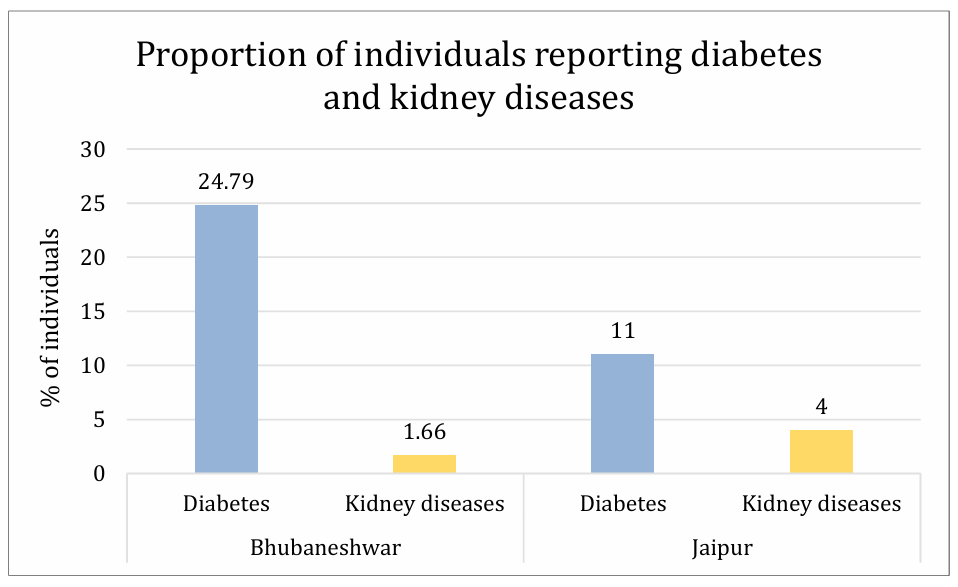
The use of ORS is highly discouraged for people with kidney disorders and those on a fluid-restricted diet. Kidney disorders impair the body’s ability to regulate electrolytes and fluids, so unregulated intake of ORS can increase pressure on the kidneys, which may struggle to manage the extra fluids and electrolyte load (especially sodium and potassium). For patients with chronic diseases such as diabetes, hypertension or heart disease, who are advised to regulate their salt and sugar intake, ORS consumption should be done cautiously. Excessive intake may lead to electrolyte toxicity and disturb the blood sugar or sodium levels in the body. Chronic diseases like diabetes further leads to the development of kidney-related complications. This increased susceptibility also raises concerns regarding the unregulated use of ORS. The Centre for Disease Control and Prevention (CDC) data indicates that approximately 1 in 3 adults with diabetes may develop chronic kidney disease (CKD). The ICMR-INDIAB study (2023) also reported that 40% of people with type 2 diabetes and 30% of those with type 1 diabetes develop kidney diseases. Moreover, death dues to renal failure have been increasing in India, with diabetes being a major contributor3. The primary survey conducted under the CHHANW project in Bhubaneswar, Odisha and Jaipur, Rajasthan reported a substantial proportion of individuals with chronic disease (Diabetes) and kidney diseases, necessitating greater caution in suggesting ORS as a feasible intervention.
So, when a heat intervention is to be put in place, what should be done? To ORS or not to ORS? As the discussions around designing interventions for different vulnerable groups unfolded within the project and consultations with multiple medical professionals were held, it became clear that while ORS is an affordable and accessible measure for dehydration, there is a need for more caution around its consumption, especially when recommended to infants, younger children and elderly. Thus, while ORS remains a life-saving intervention, its administration must be coupled with awareness, especially in India where climate risk and the dual burden of acute and chronic illnesses are simultaneously rising.
For more information, please check: https://chhanw.com/ (Website)
https://www.linkedin.com/company/chhanw/posts/?feedView=all (LinkedIn)
Shreya Pujari
Related Post
Where is heat on my priority list?
The intensity and severity of heatwaves in India and across the globe have been steadily rising. Some desert regions in India are now experiencing extreme temperatures—reaching as high as 52°C. What once felt exceptional is now becoming the norm. Every summer, the front pages of newspapers have startling headlines on how heat has broken a […]
I am not stronger than heat: Heat-Health Risks Call for Urgent Action from Employers
Summers are getting hotter, and for outdoor workers, the heat isn’t just uncomfortable — it can be dangerous. During my visit to a low-income setting in Jaipur, I met Kishore Kumar (name changed), a 42-year-old construction labourer who learned the hard way how prolonged exposure to extreme heat can take a serious toll — not […]
Sustainable Cooling Matters
By Sandipta Rath, Anwesha Mishra, Sruti Mohapatra, Purnasha Pany CHHANW team, Institute of Economic Growth “Buying an AC was never a choice but a need. When my father collapsed due to sunstroke during work, we made the decision to prioritize his health even if it means we will be tied to monthly installments and high […]
Extreme heat’s hidden health and economic toll
Living Planet (2 July, 2025)
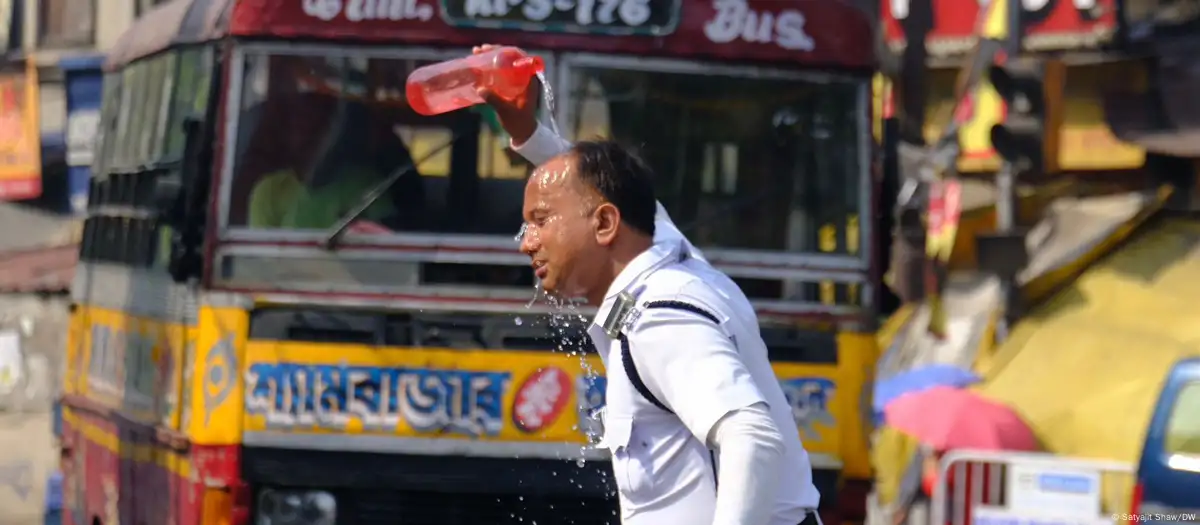
Heat waves are deadly. As they grow more intense and frequent, their toll is mounting, from overwhelmed hospitals to lost labor hours. But countries can adapt to protect lives and the economy.
Related Post

Purnamita Dasgupta Discusses Heat-Health Risks and Economic Impacts at National Symposium
Professor Purnamita Dasgupta, Chair Professor and Head of the Environmental and Resource Economics Unit at the Institute of Economic Growth, Delhi, delivered a keynote address on the assessment of heat-health risks and economic impacts at a national symposium organised by the Indian Meteorological Society Pune, Indian Institute of Tropical Meteorology, and India Meteorological Department. Professor […]

Heat health risks need to be understood as a slow, protracted disaster
Prof. Rajib Dasgupta, in his latest op-ed for the Indian Express, highlights the Heat stress is the leading cause of weather-related deaths and can aggravate underlying morbidities.

Professor Dasgupta Highlights Community-Centred Approach to Heat Action Plans at Delhi Science Forum
Professor Rajib Dasgupta, a co-principal investigator on project CHHANW, presented a talk titled “Heat Action Plans in a Warming India: Shifting the Gaze to Community-centred Approaches” at the Workshop on Science and Technology: Agenda for Self-reliant India organised by Delhi Science Forum on 31 August 2024 at Indian Social Institute, New Delhi. Other contributors to […]

Prof. Rajib Dasgupta, in his latest op-ed for the Indian Express, highlights the Heat stress is the leading cause of weather-related deaths and can aggravate underlying morbidities.
Related Post
Professor Dasgupta Highlights Community-Centred Approach to Heat Action Plans at Delhi Science Forum
Professor Rajib Dasgupta, a co-principal investigator on project CHHANW, presented a talk titled “Heat Action Plans in a Warming India: Shifting the Gaze to Community-centred Approaches” at the Workshop on Science and Technology: Agenda for Self-reliant India organised by Delhi Science Forum on 31 August 2024 at Indian Social Institute, New Delhi. Other contributors to […]

Heatstroke economy: the rising cost of extreme heat
Extreme heat is no longer a future threat. It's here - and it’s costing us. From hospitals pushed to the brink, to cities built for a cooler planet, the toll is mounting on our bodies, our livelihoods and the systems meant to keep us safe.
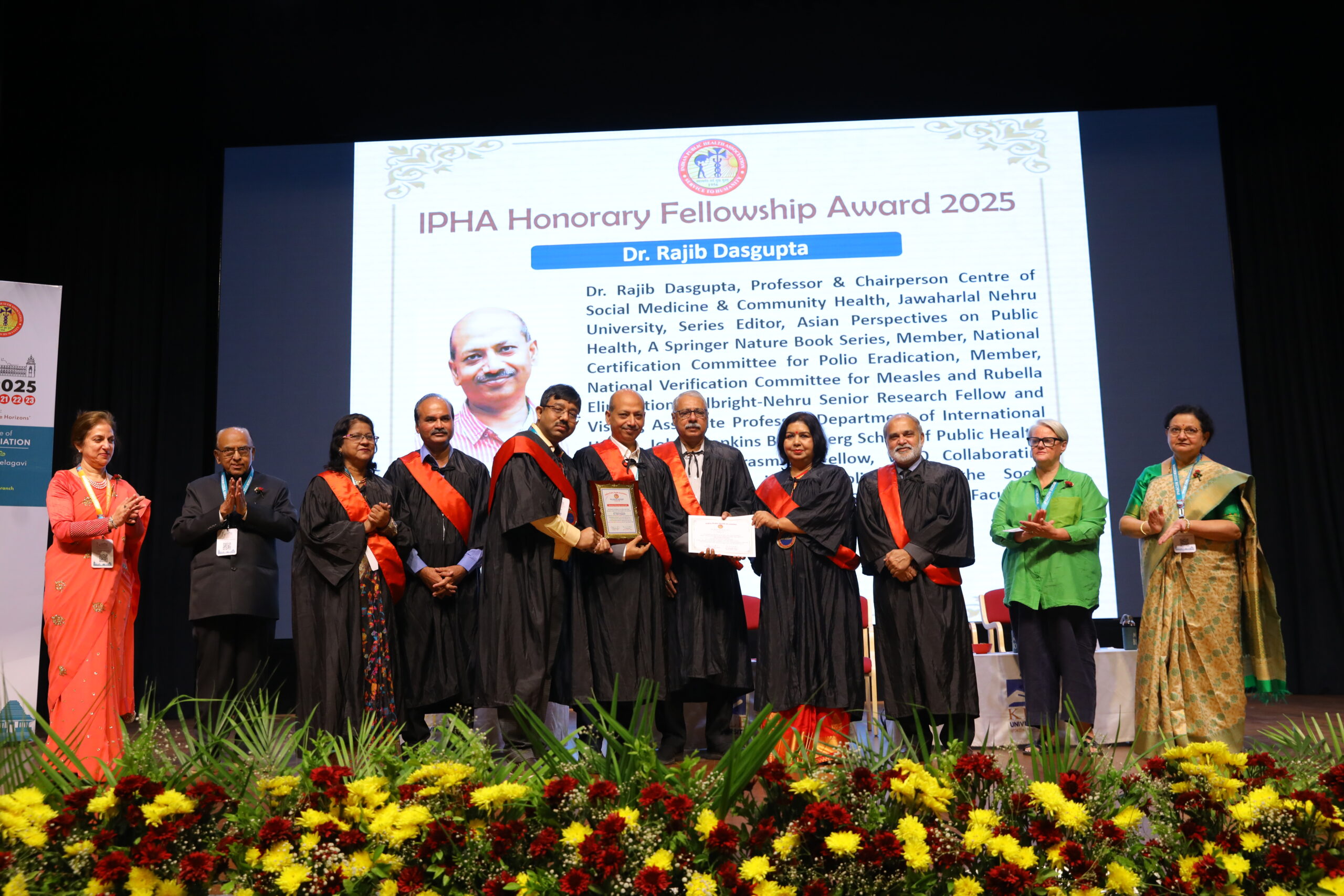
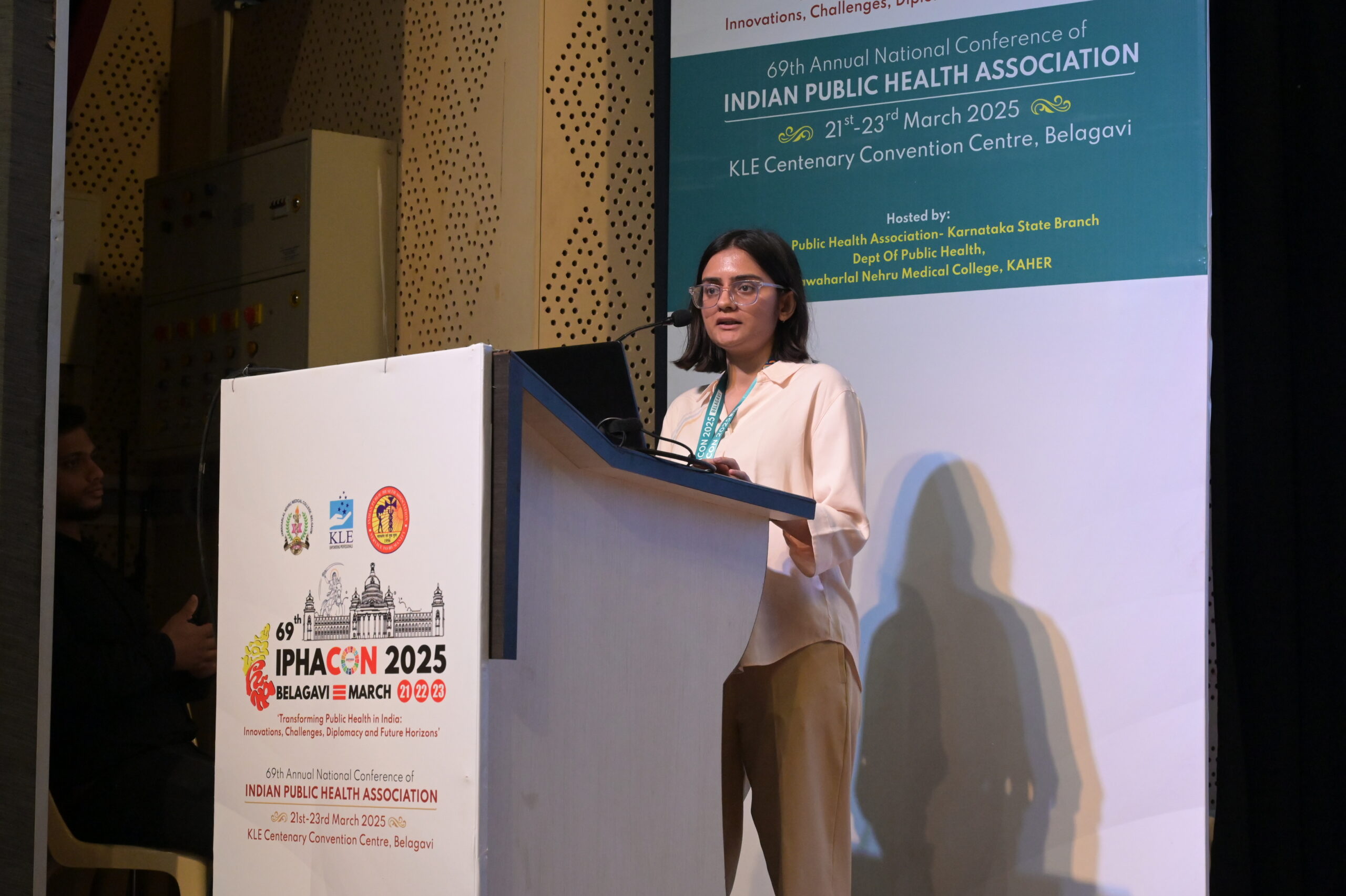
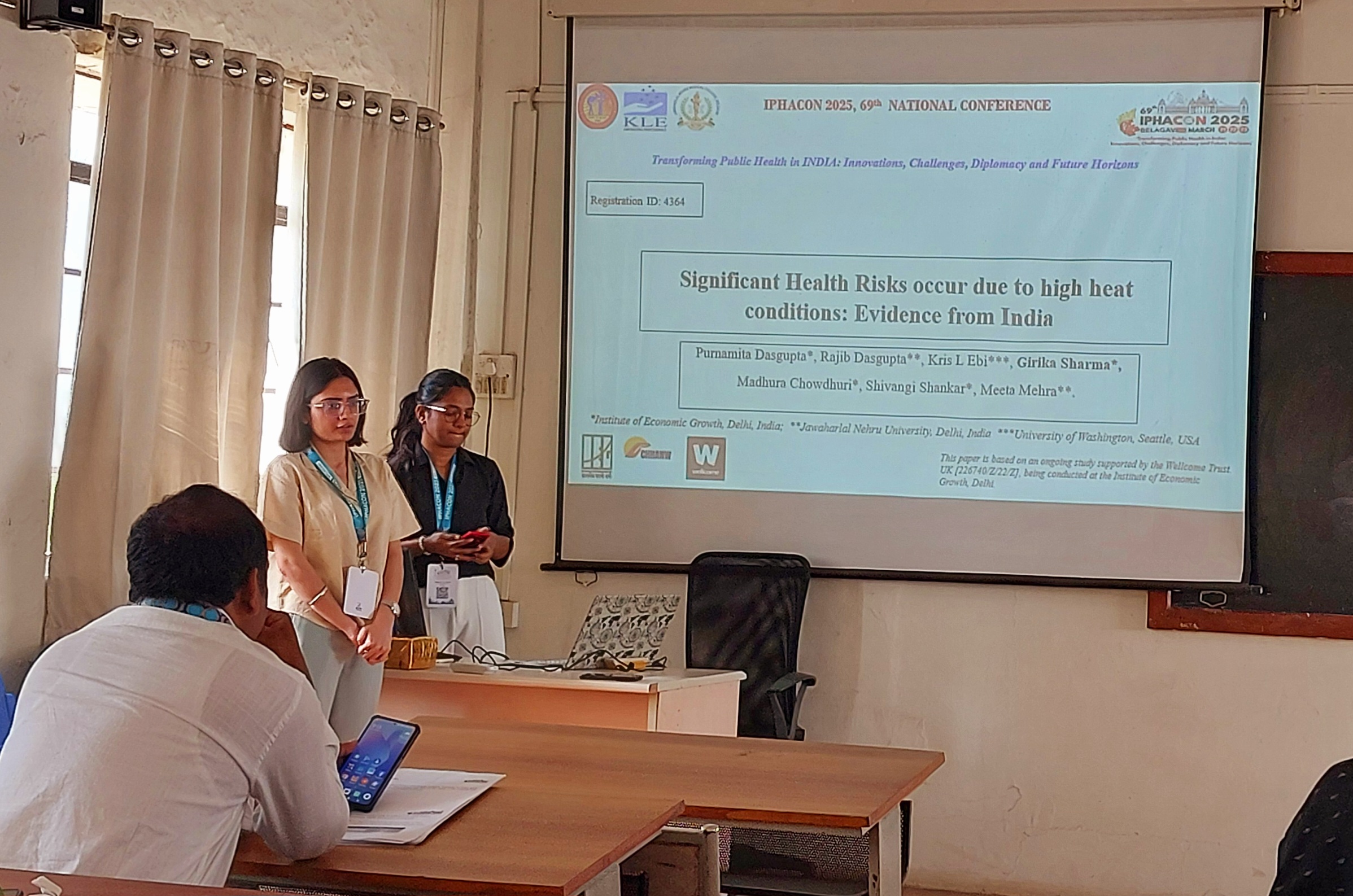
The 69th Annual Conference of the Indian Public Health Association was held at the Jawaharlal Nehru Medical College, KLE Academy of Higher Education and Research in Belagavi, Karnataka from 21 to 23 March 2025. The theme of the conference was Transforming Public Health in India: Innovations, Challenges, Diplomacy and Future Horizons. The Chhanw team of Girika Sharma and Rajib Dasgupta presented three papers:
1-Health SDGs are at risk from Climate Change: Learnings from an empirical analysis of Indian Data- This study examines how climate vulnerability in 575 rural districts of India impacts health outcomes, specifically addressing the challenges to achieving SDG 3 (Good Health and Wellbeing) and SDG 2 (Zero Hunger).
2-Significant Health Risks occur due to high heat conditions: Evidence from India- The study examines heat-health risks in India using national data, and includes a narrative review of Global and Indian evidence on morbidity outcomes, emphasizing the urgency of addressing heat-related health impacts.
3-Unpacking Heat Action Plans in 8 Indian Cities: Knowledge Gaps and Opportunities for Intersectoral Heat Governance- The study critically assesses eight city level Heat Action Plans from India, in terms of the eight core elements identified by the WHO guidance on heat-health action.
Rajib Dasgupta was also awarded the Honorary Fellowship of the Indian Public Health Association.
Related Post
Paper Presentation – Second Annual Conference on Public Finance and Policy at Madras School of Economics, Chennai
Purnamita Dasgupta and Girika Sharma presented a paper titled ” Climate Finance for Adaptation and Sustainable Development in India,” co-authored by both, at the 2nd Annual Conference on Public Finance and Policy held at Madras School of Economics, Chennai, with their presentation delivered virtually. The conference was held on March 7 and 8, 2024. The […]

Paper Presentation at 23rd IASSI Annual Conference
Girika Sharma, a Senior Research Analyst at IEG, presented a paper titled “Climatic Vulnerability and Health Risks: An All-India Analysis” at the 23rd IASSI Annual Conference held at BIT Mesra, Ranchi, from October 25th to 27th, 2024. The paper, co-authored by Purnamita Dasgupta, Madhura Chowdhari, Gudakesh, William Joe, and Girika Sharma, delved into how climatic […]
Paper Presentation – DAAD-sponsored International Conference entitled “Climate Change: A Socio-geological Perspective” organised by The School of Liberal Arts, Indian Institute of Technology Jodhpur
Shivangi Shankar and Girika Sharma made a presentation titled “How Heat Affects HerHealth: Exploring the Impact of Increasing Temperatures on Women’s Health,” at the DAAD-sponsored International Conference entitled “Climate Change: A Socio-geological Perspective,” organised by The School of Liberal Arts, Indian Institute of Technology Jodhpur, with their presentation delivered virtually. The conference was held on […]
Heatstroke economy: the rising cost of extreme heat
Living Planet (9 April, 2025)
Extreme heat is no longer a future threat. It’s here – and it’s costing us. From hospitals pushed to the brink, to cities built for a cooler planet, the toll is mounting on our bodies, our livelihoods and the systems meant to keep us safe. In Part 4 of our Cost of Climate Change series, we dig into the true price of rising heat, and what it might take to adapt before the next heatwave hits.
Dr. Sandy Robertson: When you’re exposed to any heat whatsoever, the body has to use energy to cool ourselves down. We might breathe a little bit faster.
Especially if you’re in a city where all the concrete makes it even hotter and there’s likely more traffic and more pollution, the heat creates more ozone in the atmosphere and that’s an irritant to your lungs.
We sweat a lot, so that we become quite dehydrated and if we don’t replace that with keeping ourselves hydrated with water and then that puts us more at risk of having those things like heart attacks, strokes, blood clots in the lungs and into the legs.
And then there is the condition of heat stroke itself. So that’s when the body can’t cool itself, so that’s when you start to overheat and you get the heatstroke, so that can eventually lead to kind of seizures and death. Unless you get the help to cool yourself down, so that’s going to a room with air conditioning, and then we can do active cooling where we give cold IV fluids, cool people down with ice in between their arms and in between their legs and that’s for the more extreme cases.
Sam Baker: This is what’s happening to your body in a heat wave. As you can imagine, these problems, happening to many individuals at the same time, can lead to busy emergency rooms. Emergency rooms, like the ones Dr. Sandy Robertson has worked in, in England and Scotland. Emergency rooms that weren’t built for the hotter heat waves that climate change is bringing us. Or other extreme weather, for that matter.
Sandy: We have seen hospitals have flash flooding from big storms. We’ve seen hospitals have their IT systems completely crash because they’ve overheated. I mean, if you’re also facing a busy department and the heat itself, and it’s already a stressful day, the systems that you rely upon to look after your patients going down makes it even more difficult and kind of more chaotic. It turns into a perfect storm.
Sam: These strains on hospitals are not only stressful and life-threatening, they also come at a cost. Another cost on top of the already mounting pile of costs, thanks to climate change. Because I don’t know if you’ve heard, but…
Recurring opener
Charli Shield: …climate change is expensive. But as we’ve also been learning in this series, not doing anything about climate change is already creating a much more expensive and dangerous world:
Syd Kitson: These storms are getting more unpredictable and they’re certainly getting more violent.
Maria Blancett: The road was a raging river. It was like the ocean – there were white caps going down the street. There were fish in the road… And that’s when we realized maybe this isn’t our forever home.
Brent: Our feed systems collapsed. Our biodiversity collapsed.
Sam: So far in this series on the Cost of Climate Change, we’ve tackled the costs of rebuilding after climate disasters like hurricanes…
Linda Williams: You know, everybody talks about repair, but this was massive. Structural damage is a rebuild.
Charli: …the cost of transitioning to an energy system that doesn’t rely on fossil fuels…
Kingsmill Bond: Alternatively, you just stick up a solar panel and it lasts for 30 years and generates your electricity every single day. It’s obviously going to be cheaper to run a renewable system.
Sam: …and the different ways we might pay for all these things.
Gernot Wagner: At the end of the day, it can’t just be taxpayers. It can’t just be shareholders either. And it definitely can’t just be consumers either, right?
Catherine McKenna: The big polluters need to pay. They’re not paying enough, their emissions continue to rise…
Charli: If you missed those first few episodes, don’t worry, you’re welcome to start here. But we do recommend going back and checking them out, once you’re done with this one!
Sam: Today, we’re turning our attention to how climate change can rob us of our health…
Charli: …and drain our bank balances in the process. I’m Charli Shield.
Sam: And I’m Sam Baker. This is Living Planet.
music fades out
Charli: So, in today’s episode, we wanted to look at how climate change is hitting us where it really hurts – our health – and how much that’s costing us. So there are lots of ways global warming is impacting our health — more diseases carried by ticks and mosquitoes and other critters, worsening air quality, and reduced access to healthy food. But today, in this episode, we’re zeroing in on one particular health risk — heat.
Sam: Yeah, this might seem like the most obvious one. But weirdly it’s one we tend to overlook, even though it’s actually the deadliest symptom of climate change. According to the World Meteorological Organization heat waves are the most common type of extreme weather event. They have the greatest impact on health and are the biggest weather-related killer.
Charli: Even so – the impact of heat is kind of hard to visualize (and quantify) though. It doesn’t destroy houses the way hurricanes or wildfires do. And because of that, there’s not much in the way of insurance or government data on what heat is costing us financially…
Sam: That’s true. But people are trying to put figures to this problem, and I spoke to a couple of them for today’s episode. Now, some of the major costs are those on our healthcare systems. Things like more emergency calls, more emergency room visits, more ambulance dispatches, hospitalizations, and delays for all the other planned treatments and surgeries we have, these things all add up. And, heat can also be a drag on our economy more broadly, leading to work-related accidents, eating into productivity, and reducing income that could’ve otherwise been earned.
Charli: And as I’ll explore later, the way we’ve designed our buildings, neighborhoods and homes can actually make heat waves even more dangerous. But there are ways to level up our built environment to keep us safe and cool. And, save us money. But first, let’s get back to Dr Sandy, who you spoke to.
Sam: Yes, so Sandy is an emergency doctor based in the UK —
Sandy: I’ve experienced heat waves in both England and Scotland and they’re slightly different, probably less warm up here in Scotland…
Sam: The United Kingdom might not be the first place you think of when you think of a scorching heatwave, but Europe is the world’s fastest-heating continent. And it’s not necessarily prepared for that new reality, which is already proving deadly. For example, looking back to the summer of 2022 in Europe, high temperatures led to 61,000 deaths. Sandy knows a thing or two about how these rising temperatures are taking a toll on our hospitals.
Sandy: The first thing is you notice how uncomfortable the day is going to be when you’re setting off to go to work. I cycled into work when I was in London and got in very, very warm. And then, depending on which department you’re in and the air conditioning set up, that’s really going to affect your day for the rest of the day.
Sam: What Sandy means by that last bit is that there’s a chance doctors are working in emergency rooms without air conditioning. Personally, this shocked me as an American who can’t really imagine a hospital without AC. But like many old buildings in Europe, Sandy tells me, a lot of hospitals in the UK aren’t fully air-conditioned. The resuscitation rooms will be cooled, but the rest of the emergency department might be as hot and sticky as everywhere else on a hot day.
In fact, this heat can lead to what are called ‘overheating’ events. That’s where a ward’s temperature exceeds 26°C or 78 degrees Fahrenheit. These overheating events are on the rise in the UK. They can put vulnerable patients at risk, lead to failures of refrigeration equipment, IT and laboratory services, and even degrade medicine.
Sandy: So there’s that pressure of bodies in the department, and that obviously makes things a lot hotter. There’s also a kind of really good correlation between kind of aggression and heat, so people getting understandably more upset at waiting times and just everyone feeling a little bit more fractious than you would expect. So, just kind of stress all round.
Sam: I think we all can relate to this – work is a lot less pleasant when you’re uncomfortably hot. But for most of us, the volume of work itself doesn’t increase on a hot day, and it certainly doesn’t have life-or-death stakes. Sandy says the impact of extreme heat on mental wellbeing can also be really serious.
Sandy: And there’s been some good research which shows again the correlation between heat waves and suicidal thoughts. And also interpersonal violence. So there is an uptick in violence between people – assaults and injuries, and all of those people will eventually, normally make their way to the emergency department if they need assistance.
Sam: If you’re struggling with suicidal thoughts, you can find information on where to get help at the website: befrienders.org
Heat is often called a ‘silent killer’. Usually, you hear about the elderly and the very young being most at risk, but sometimes the risk factors aren’t so obvious.
Sandy: So a lot of people won’t realize they’re at risk of this. So a lot of medications, including the really common medications for depression and many other psychiatric conditions, can reduce your ability to stay cool in the heat. So, you may have a condition and not realize that’s making you less able to manage the heat, and then be more at risk of more of those serious problems.
Sam: Not only that, but the health effects don’t necessarily end after temperatures cool off.
Sandy: So one of the clearest moments that I remember working in the emergency department with effects of a heatwave is actually maybe the morning after one of the really big hot days where I came on to run the resuss[itation] part of our department and within the first hour, hour and a half we had six calls for patients experiencing strokes. Quite often you get someone waking up with a stroke symptom – that’s not unusual but having six in the row for our population of a few hundred thousand was an uptick from normal. We all think of heat exhaustion and heat stroke – we see that person collapsing at the end of a long run in on a hot day and those are the really obvious ones, but actually the biggest part of the illness that we get is a couple of days after in people who have these really serious life-changing problems.
Sam: It probably goes without saying, heatwaves are not just a problem in the UK. They’re killing more and more people globally. Between 2000 and 2019, nearly half a million people around the world died from heat-related causes. Over a third of those deaths were in Europe, and about half were in Asia.
Charli: And like we mentioned earlier, this loss is difficult to quantify in monetary terms, but you did have a look at some different figures that try to illustrate the societal costs of these heat-related deaths – what did you find?
Sam: So in England, heat-related deaths cost £6.8 billion pounds annually.
Charli: and how much is that in US dollars?
Sam: That’s a little over 9 billion US dollars.
Charli: Ok, so that’s a lot. What is that actually captured in this big figure? What’s the cost illustrating?
Sam: Yeah, so this particular figure includes the cost of medical treatments, along with the opportunity costs, or the lost productivity essentially from those people who died. It also includes the economic toll of the pain and suffering of family members and other people in that person’s life.
Charli: And as we heard Sandy talking about, part of this cost is putting major pressure on healthcare systems. Is there anything we can do or that they can do in that regard to lessen the impact of heatwaves?
Sam: Yes, a couple things. One being that medical staff need to prepare for more heat waves. Some are doing that already, even from the point at which they start training doctors.
Sandy: When I started my training, thinking of managing heat waves was not high up on the list of things we need to do. So we’re trying to push that up, as well as looking how to plan our emergency services for those effects on it…
Sam: The UK’s National Health Service is also trying to do what it can to limit heat waves in the first place, becoming the world’s first health system to commit to reaching net-zero emissions.
Sam: We’ll be back after this short break.
Trailer break
Charli: And we’re back. So, we’ve got these costs racking up for healthcare systems and presumably these are going to trickle down to taxpayers and patients, but there was also another heat-related cost that you wanted to cover in this episode. What was it?
Sam: Yeah, one cost we haven’t really gotten into yet is the toll that extreme heat has on our ability to make a living. And this will impact all of us as temperatures climb, but right now, it’s especially relevant for people living in Asia. Where already hot climates are becoming increasingly unbearable.
Sam: India is one of the countries worst affected. Heatwaves have been increasing there not only in their frequency, but also in their intensity, geographic spread, and their duration.
Purnamita Dasgupta: So there’s been more than a fourfold increase in five years. Now that is a lot of heat, particularly since it implies exposure for a country where 1.4 billion people live, which is approximately 17% of the world’s population.
Sam: I thought we might need an economist for this episode, and particularly one who studies the link between health, climate change, and the health of our economy. This is Purnamita Dasgupta. She’s the Chair Professor of Environmental Economics at the University of Delhi in India, and I spoke with her on a day that was pretty warm in Delhi.
Purnamita: It is pretty hot, but then I am one of the few privileged in the city who can afford air conditioning as well as a fan. And that is part of the problem in a typical developing country context, where the way heat is experienced can differ a lot depending on not just the meteorological conditions, but also the social and the economic conditions. And that, I think, is core to understanding how heat waves impact us, across the world it’s very different.
Sam: While inequality makes heat deadlier everywhere, it’s especially pronounced in India – a country where only 10% of people have air conditioning and around three-quarters of people work outdoors.
Purnamita: Typically such jobs are those – refuse collection, waste collection, emergency repair work, outdoor public services like traffic police, transportation, for instance, auto rickshaw drivers in Indian cities, gardeners, security guards. In fact, some estimates suggest that agricultural workers and construction workers are amongst those who are expected to be worst affected, accounting for about 60% and 19% respectively of working hours that could be expected to be lost to heat stress.
Sam: The estimates vary but one study in the Lancet in 2021 found extreme heat cost India 167 billion potential labor hours. And India is expected to lose the equivalent of 34 million full-time jobs due to heat stress by 2030. Researchers at the University of California Berkely found that a five-day heatwave in India can lead to as many as 30,000 excess deaths.
Purnamita tells me it’s not just outdoor workers who are affected by this heat stress though. Really anyone who lives in densely populated areas with housing that’s poorly ventilated will feel the heat. If you can’t get a break and cool down, it doesn’t really matter what your job is; your ability to do it will be affected.
Purnamita: Temperatures above 24 to 26 degrees centigrade are associated with reduced labor productivity, which could then, depending on the occupation one is engaged in, result in reduced earnings. And there are still several occupations, particularly low-income workers where you may be paid by your output.
Sam: Some municipalities are putting in regulations to protect workers from the heat. And some businesses are doing things like installing water dispensers, providing shade, and allowing more rest breaks, hoping it will increase productivity.
Purnamita: The expectation is that the work intensity doesn’t fall as much, and possibly it doesn’t affect earnings to that extent. But the reality is that in most cases, productivity does fall. One of the benchmark numbers is that if you are at 35 degrees centigrade or thereabouts, a worker operating at moderate work intensity loses about 50% of his or her work capacity.
Sam: And even when businesses and governments enact these sorts of interventions, the workers aren’t always happy about them.
Purnamita: When they are in low-paid jobs, what happens is that these sort of curtailment of work hours cuts out the hours that they used to work and earn overtime wages. Now, when the base wage is low these overtime hours, the compensation received, becomes very important in supporting your family. Then the women in particular said that now we fulfill the work requirement during evenings. And evenings mean family time is gone. Time spent with children is gone.
Sam: Although many people Purnamita surveyed from these low-income settlements report suffering from heat-related illnesses, they often don’t seek out help.
Purnamita: Many of them said, when I’m feeling fatigued and exhausted, is this something that I should go seek help for? How do I know that I’m, you know, my body needs some extra help?
Sam: And all of this really is a huge issue. Regular exposure to heat stress can lead to chronic kidney disease and it can make other chronic conditions worse. It’s also been linked to negative effects on memory, reaction time and a person’s ability to pay attention. And these health problems – sudden and long term – are weighing on the Indian economy.
Purnamita: It is scary because we are a fast, relatively fast-growing economy. And we have a reasonably large GDP in absolute numbers so even what appears to be a 1% hit on the GDP or about say a loss in about 5% of work hours due to heat can amount to a large absolute number, as well as mean a large number of job losses.
Sam: The advocacy group, Climate Transparency, calculated India’s income loss due to heat across manufacturing, agriculture, services and construction to be over 5% of its GDP in 2021. Thailand, Cambodia, and Pakistan are also projected to see a similar heat-induced hit to their GDPs in the next five years. But despite all this, Purnamita is hopeful that India can do things to combat the heat – and all that comes with it.
Purnamita: India has done a really good job in emergency preparedness and disaster management for say floods and cyclones. Heat deserves the same. The bottom line actually is to understand that heat-related deaths, illnesses, and the economic shocks that follow from such mortality and morbidity are largely preventable.
Sam: So, I should also point out that this isn’t just India or countries in Asia seeing heat tax their economies. A report by American think tank, The Atlantic Council, found that productivity loss from heat is already costing the US hundreds of billions of dollars a year. That number is expected to hit $500 billion a year by 2050.
Charli: Ok, I’m going to stop you there with the numbers… We get it, it’s very expensive!
Sam: Right yes – it’s expensive, that’s what the research says. But while I was looking into all the ways heat can make us poorer and hurt our economies, you looked into some things we can do about it to bring costs down…
Charli: Yep I did. So, yes, we’ve already explored how heat messes with our bodies and minds, and our ability to live and make a living. One of the best solutions to combat increasingly extreme heat is obviously reducing greenhouse gas emissions, but, because these emissions stay around in the atmosphere for so long, we know that some level of climate change is baked in. For our lifetimes at least, hotter world is our new reality. And that calls for better ways of coping with it.
Nick Rajkovich: A lot of people saw ‘resilience’ early on as being like giving up on climate change and that we’re just going to allow the climate to get worse, but try to make our buildings hardened to that. And I don’t really think that’s the case.
Charli: That’s Nick Rajkovich. He’s an architect and an associate professor at the University of Buffalo in New York State, where he works on making homes, buildings, and shared spaces more livable in the 21st century.
Nick: We really have been focusing on greenhouse gas emission reductions. And for a while there has been a conversation that we need to only focus on that, that that’s really the most important thing. And I, as someone who does research on climate resilience, I 100% agree. But at the same time, it’s really a both/and situation. It’s not an either/or. So, as we’re building buildings, as we’re renovating buildings, we need to start looking at the climate 50, 60 years from now to understand, like, what is that building going to be facing in the future designing those things to reduce greenhouse gas emissions over that longer period of time?
Charli: For better or worse, many of us in the western world (in this day and age) spend about 90% of our time indoors. So, how do our houses, our buildings, and our built-up environments make things like heat worse, and how could they make it better? First, the weak spots…
Nick: Housing in particular is really, really impacted by small shifts in temperature and certainly those high heat days. And one of the concerns we have is even the best kind of naturally ventilated buildings are still about three degrees Fahrenheit warmer than the outside temperatures. So as we have more heat waves in cities, especially, you know, we have the potential for really, really high temperatures indoors.
Charli: That’s because heat is especially bad in built-up urban areas like cities.
Nick: We have something called the urban heat island effect, which is just that all of the asphalt and all of the buildings itself will store that heat from the sun and reradiate it back out at night and drive those temperatures up. In addition, we have things like vehicles, you know, burning fossil fuels, which actually drives the temperature up. And you have air conditioning equipment and other kind of waste heat from buildings that also adds to those temperatures. And so it’s not uncommon to find that a city will be on the order of five or even 10 degrees hotter than the surrounding countryside. And so if you have an extreme heat event, it can be much, much warmer in those cities. And then that’s also the place where you tend to have the most stress on the electrical grid. And so you can have those brownouts and blackouts in conjunction with those high temperatures. It is in many ways like a place where you can have worst-case scenarios begin to emerge.
News montage
Charli: Worst-case scenarios like the record-breaking heatwave that descended on the Pacific Northwest in 2021, where 600 people died after temperatures topped 109 degrees Fahrenheit or 43 degrees Celsius, and tens of thousands of people lost power over several days. Shelter has been a feature of human civilizations as far as records stretch back/as long as it’s existed. Traditionally, with the surrounding climate in mind. Think: Thick walls, light-colored roofs, and gaps for airflow in hot, arid areas. Sloping roofs, dense windows and lots of insulation for cold climates.
In the typically sizzling southwestern US, Pueblo Indians pioneered a style of architecture using adobe. That’s a mix of mud or clay, sand, and straw. They designed thick, solid walls to absorb heat in the day and release warmth in the evening, and flat roofs to collect rainwater. In Burkina Faso, West Africa, double roofs separated by an air cavity help heat escape and provide shade to entire buildings. In north India, in the Rajasthani desert, haveli houses use thick walls, courtyards, wind towers and latticework to funnel breezes, create shade and filter the sun‘s rays. But in many places around the world, especially those heating up the fastest, many of these conventions have been forgotten.
Nick: Before the advent of air conditioning in particular, we did rely a lot more on natural ventilation for buildings. But as we started being able to have air conditioning, especially in housing, buildings were built without that kind of energy use in mind.
Charli: Air conditioning, invented at the start of the twentieth century, changed everything. The way we build, the way we work. In many places, it became an easy-fix, a cost-saver. Especially as population density increased in cities and space became scarcer. No need to invest in architects, high-ceilings or verandahs, breezeways or trees to shade your home. Aircon would do the trick.
Nick: Air conditioning really promised an ability to have very flexible designs. And you see the emergence of a lot more glass in buildings, which was great in terms of bringing in daylight, but also uncontrolled. If you don’t have shading, it can certainly bring in quite a bit of heat.
Charli: Today, it’s estimated there are about 2 billion air conditioners in use. That’s roughly one for every four people. Air conditioning has helped many millions of people survive the heat. But it’s come with a cost. Aircon has the paradoxical effect of keeping people cooler in their homes, while making the air outside hotter. It can raise the outside air temperature by about 1 degree Celsius overnight – which is nearly 2 degrees Fahrenheit. The hotter it gets, the more AC we use. The more AC we use, the hotter it gets. Ultimately, our addiction to this comfort technology is making the whole problem of a warming world worse.
Nick: So if it’s powered by fossil fuels, certainly that’s one of the biggest issues, but air conditioning also uses refrigerants and many of the refrigerants and air conditioning have a high global warming potential. All of those systems eventually sort of leak over time and a pound of refrigerant can be the equivalent of thousands of pounds of carbon dioxide going into the atmosphere. So there’s a lot of research that’s being done in terms of having low global warming potential refrigerants and air conditioning systems and that combining it with renewable energy, you know, I think is again a technical strategy that can be added onto buildings, but I would say only after you’ve really done everything to try to reduce the need for it.
Charli: So, what if the answer to climate-proofing our buildings and cities wasn’t something new, but centuries old? Nick says that in order to build for the future, we actually ought.
Nick: We used to plant trees along the streets because it kept horses cool as they pulled wagons, right? There was a really pragmatic reason for why we did that in cities. I think, again, looking back historically and trying to understand, we used to have cloth shading on buildings and all of these things to keep them cool. So I think we need to pull out some of those older photographs and really try to say, can we get back to some of those things to, again, reduce the heat before we even… think about air conditioning the structures.
Charli: In Seville, Spain, where temperatures typically reach 40C or 100F in summer, the oldest parts of the city are built to deal the heat. Narrow streets reduce the amount of time houses are exposed to the sun. There are fountains in small communal squares, and trees for shade. Typically hot climates traditionally also tended to use ceiling fans, lighter colored roofs, light paint colors, high ceilings, windows that you can open to get a cross breeze, window awnings for shade and, again, more trees and more plants. In some cities, they’re coming up with new ideas. In recent years, Los Angeles has been experimenting with painting its streets white to mitigate the heat that emanates off the thousands of miles of asphalt that wind through the city. In Xiamen, China, more than 500,000 m2 of green planted roofs were installed to bring city temperatures down – which they did by, on average, almost 1C.
But to be clear, Nick doesn’t think air-conditioning shouldn’t have a place in modern homes and buildings. For some temperatures and some people, there’s currently no better alternative.
Nick: I think air conditioning is still going to be something that we need to use to keep buildings cool in a lot of cases. And again, especially for folks who have higher sensitivity, it’s going to be important for dehumidification. But that said, I think it shouldn’t just be a panacea to kind of cure all ills. If we can really design the building to use as little air conditioning as possible or to shift the time when you need that air conditioning so there isn’t much of a draw on the grid. These are all strategies that we can use to be a lot smarter about how we cool buildings. And that’s something I think people are really starting to think about in terms of updated building codes and standards, in places like California, for example.
Charli: The better a house or building is protected from extreme temperatures, the less money is spent on energy bills, and the less strain there is on the energy grid and healthcare systems.
Charli: Okay, so I know I said no more numbers earlier, but I do have one more to add before we go. So this is from a study just published in Nature by researchers at Dartmouth College. They found that over the last three decades, the five largest fossil fuel companies, so that’s Saudi Aramco Gas Prom, Chevron, ExxonMobil, and BP, they were collectively, or they are collectively responsible for about $9.5 trillion in economic losses from the extreme heat caused by emissions.
Sam: 9.5 trillion – okay – that is a lot. But also maybe not so surprising after those numbers, we heard about GDP loss and the medical costs. Um, yeah. Okay.
Charli: And I also remember that this is only one climate harm. They’ve looked into extreme heat. That’s not taking into account the economic losses from the economic losses from drought, flood, fire, sea level rise.
Sam: Hurricanes.
Charli: Hurricanes, exactly. Extreme weather. So, that’s just a fraction of the overall losses. Mm-hmm. From some very wealthy companies.
Sam: Yeah. Okay. So that’s one very big number. But there was a pretty small number that I actually think made the biggest impact on me in this episode, and it was that air conditioning can increase temperatures by one degree Celsius overnight. Which if you have a heat wave going on for a week, that’s just bringing the temperature up and up and up even more in cities.
Charli: Mm. Did that one hit you?
Sam: Yes. Yeah. Especially because I used to think of night as this kind of sacred time, but now living in a place where I don’t have air conditioning to come home to in the evenings. I find it kind of scary when it just stays hot at night and you just notice that day after day your body’s heating up.
Charli: Mm. Right. You don’t get that respite overnight. Yeah. Well, the urban Heat Island effect is actually something that I think about all the time here in Cologne from about May to September. You know, we just have so much asphalt and concrete and it’s just. Black meeting, gray meeting another dark gray. And yeah, you can just tell. I feel like you can almost see the heat coming off the pavement in the summer months.
Sam: But this is something that is so classic, particularly to European cities because they were built when there was quite literally a different climate. Now some of them in Spain and Italy, Southern Europe, are much better at that and, and were built with the heat in mind. But now that it’s getting hotter, yeah. In places like where we live in Cologne, Germany. You know, it really is noticeable.
Charli: Yeah, I mean, essentially there are different things that people can do in their homes, but we also really need to be making some changes to the streets and our neighborhoods as well as quickly as possible. That’s planting more trees, more plants. Ripping up some of that concrete, replacing it with shrubs, bushes, and also providing more shaded areas, I feel. You know, we need some structures, where we can actually escape from the sun’s rays.
Sam: Yeah. Some of those kind of natural cooling centers. I know many cities have cooling centers with air conditioning now, which, you know, can be useful and helpful to especially older people who have a really hard time regulating body temperature. But when you can build it into the city more and more, it just takes away the need for those things. And we can’t forget, I mean, we just had a huge power outage in Portugal and Spain. You know, power outages happen and so if you’re depending on air conditioning, when that happens, you’re outta luck.
Charli: Yeah. Yeah. Yeah. For sure.
Sam: So those are some of the ways we’re paying for a rapidly heating world. But of course, we’re not the only ones who live here.
Charli: In the final episode of this series, next week, we’re going deep on the cost of losing nature, nature that we depend on from the trees that pull carbon dioxide from the atmosphere to the crops that sustain us and the plant compounds that are vital ingredients in our medicines. We explore the value of species and ecosystems and what it might cost to save them.
Sam: We’ve been tackling some big costs in this series, but we’re getting closer to understanding how much we stand to save by protecting what we have.
Teaser clip: Essentially, the more regulation you do to restrict the damages of those types of systems, then the less you have to pay to improve biodiversity.
Charli: This episode was reported and produced by me, Sam Baker and me Charli Shield. It was edited and mixed by Neil King. Our studio technicians this week were Ziad Sleiman, Jürgen Kuhn and Simon Berkhahn.
Sam: Has this episode got you wondering about other costs of climate change. We’d love to hear them and might include them in an upcoming episode.
Related Post
Heat health risks need to be understood as a slow, protracted disaster
Prof. Rajib Dasgupta, in his latest op-ed for the Indian Express, highlights the Heat stress is the leading cause of weather-related deaths and can aggravate underlying morbidities.

Bhubaneswar Municipal Corporation Prioritises Heat Adaptation with Support for Project CHHANW
On October 30, 2024, Bhubaneswar Municipal Corporation (BMC), a primary stakeholder of the study project, hosted a high-level stakeholder presentation in the Corporation meeting for the project “Economic and Health Impact Assessment of the Heat Adaptation Action- Case Studies from India” led by the Institute of Economic Growth (IEG), based on an earlier presentation for […]

Extreme heat’s hidden health and economic toll
Heat waves are deadly. As they grow more intense and frequent, their toll is mounting, from overwhelmed hospitals to lost labor hours. But countries can adapt to protect lives and the economy.
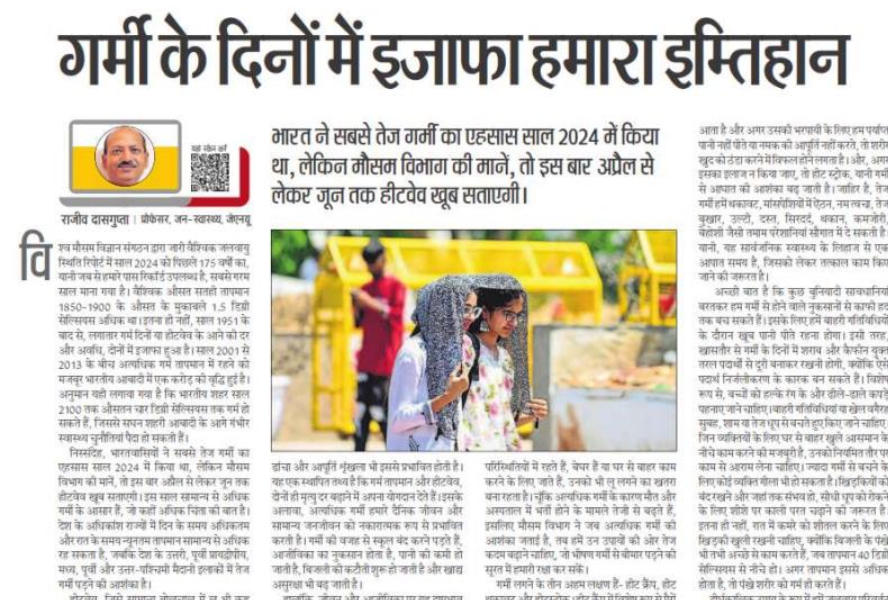
गर्मी के दिनों में इजाफा हमारा इम्तिहान
Hindustan News (2 April, 2025)
Related Post
Purnamita Dasgupta Discusses Heat-Health Risks and Economic Impacts at National Symposium
Professor Purnamita Dasgupta, Chair Professor and Head of the Environmental and Resource Economics Unit at the Institute of Economic Growth, Delhi, delivered a keynote address on the assessment of heat-health risks and economic impacts at a national symposium organised by the Indian Meteorological Society Pune, Indian Institute of Tropical Meteorology, and India Meteorological Department. Professor […]

India is bracing for a new high in the ensuing summer season: Heat health governance will be the key to coping
India is bracing for a new high in the ensuing summer season: Heat health governance will be the key to coping,” Dr. Rajib Dasgupta discusses the increasing challenges posed by rising temperatures and heatwaves in India. He highlights that the Indian Meteorological Department has forecasted above-normal temperatures, particularly in central and eastern states like Odisha, […]
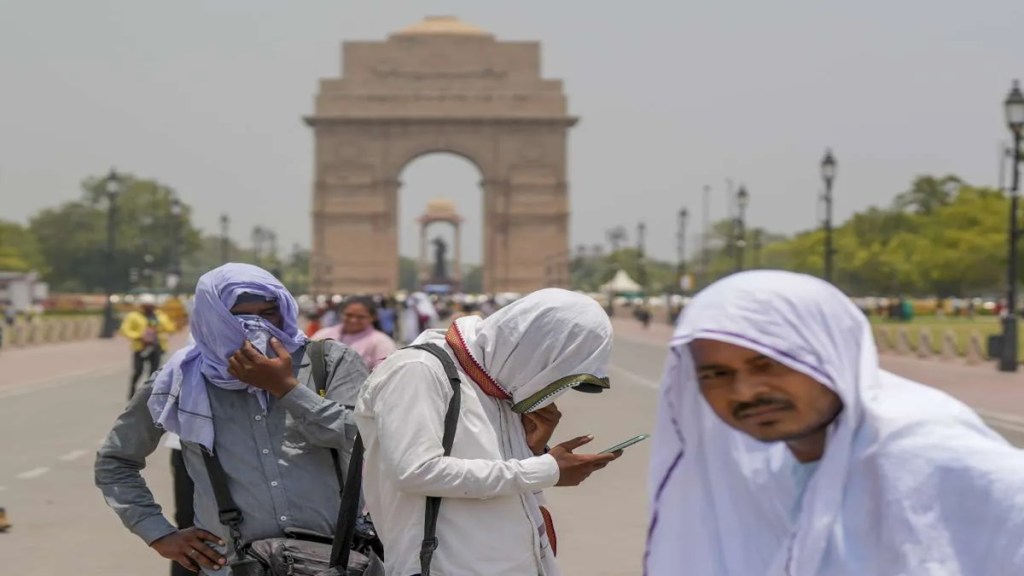
India is bracing for a new high in the ensuing summer season: Heat health governance will be the key to coping,” Dr. Rajib Dasgupta discusses the increasing challenges posed by rising temperatures and heatwaves in India. He highlights that the Indian Meteorological Department has forecasted above-normal temperatures, particularly in central and eastern states like Odisha, Jharkhand, and eastern Uttar Pradesh, with night temperatures also expected to be higher than usual. The article emphasizes the economic and health impacts of extreme heat, noting that 2024 was the warmest year in the last 175 years, leading to significant losses in GDP and job reductions. Dr. Dasgupta underscores the importance of Heat Action Plans (HAPs) as essential tools for heat-health governance, advocating for robust, graded response plans to effectively mitigate the adverse effects of heatwaves.
Related Post
Extreme heat’s hidden health and economic toll
Heat waves are deadly. As they grow more intense and frequent, their toll is mounting, from overwhelmed hospitals to lost labor hours. But countries can adapt to protect lives and the economy.

Keynote Address by Prof. Purnamita Dasgupta: Navigating the Complexities of Climate Change and Development
Prof. Purnamita Dasgupta from the Institute of Economic Growth delivered a keynote address on the intricate relationship between climate change and sustainable development titled “Climate Change and Sustainable Development – Equitable and Integrative Action” at the 23rd IASSI Annual Conference held at BIT Mesra, Ranchi, from October 25th to 27th, 2024. Prof. Dasgupta emphasised the […]
Purnamita Dasgupta Discusses Heat-Health Risks and Economic Impacts at National Symposium
Professor Purnamita Dasgupta, Chair Professor and Head of the Environmental and Resource Economics Unit at the Institute of Economic Growth, Delhi, delivered a keynote address on the assessment of heat-health risks and economic impacts at a national symposium organised by the Indian Meteorological Society Pune, Indian Institute of Tropical Meteorology, and India Meteorological Department. Professor […]
Professor Dasgupta Highlights Community-Centred Approach to Heat Action Plans at Delhi Science Forum
Professor Rajib Dasgupta, a co-principal investigator on project CHHANW, presented a talk titled “Heat Action Plans in a Warming India: Shifting the Gaze to Community-centred Approaches” at the Workshop on Science and Technology: Agenda for Self-reliant India organised by Delhi Science Forum on 31 August 2024 at Indian Social Institute, New Delhi. Other contributors to […]