
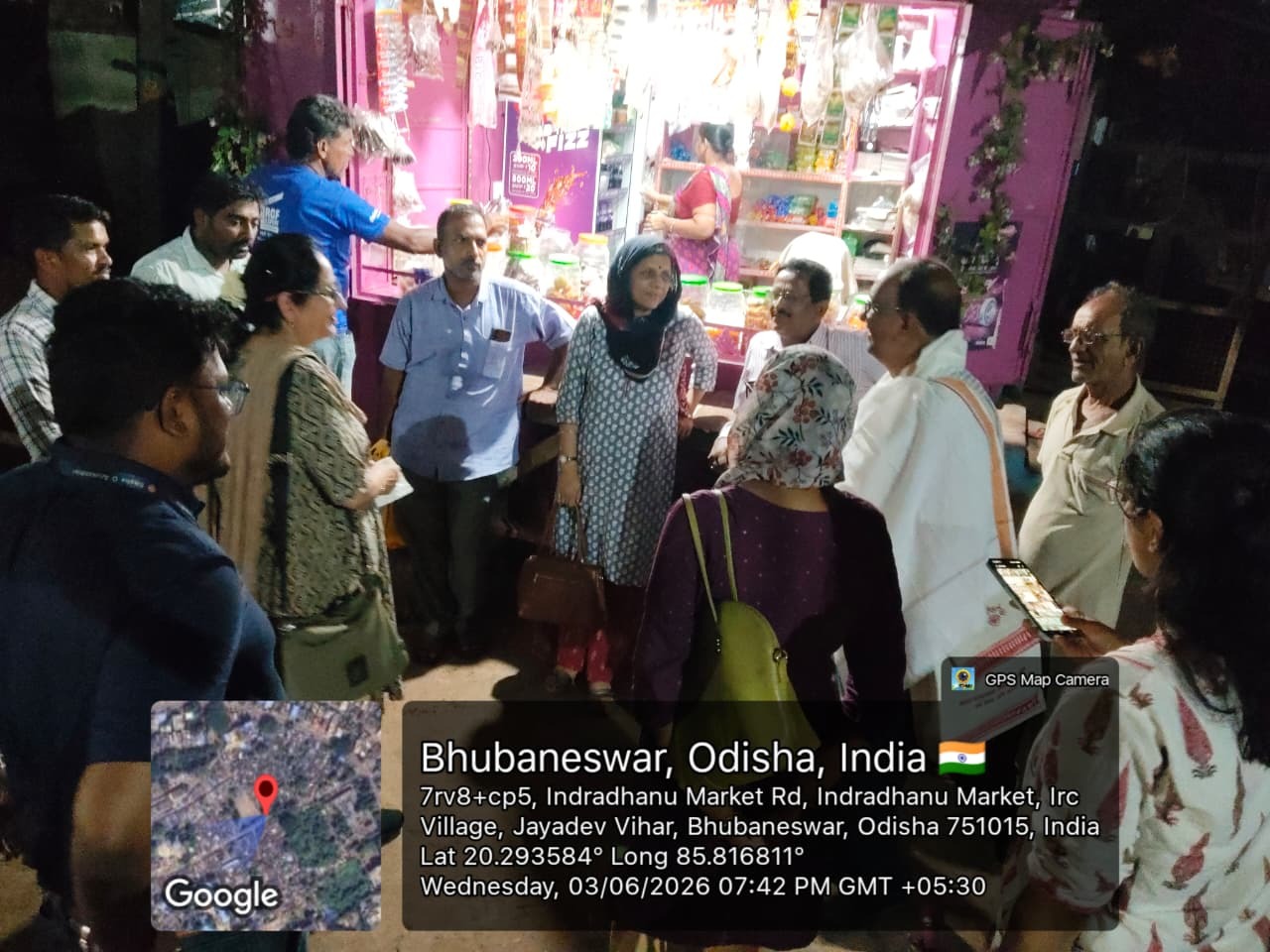
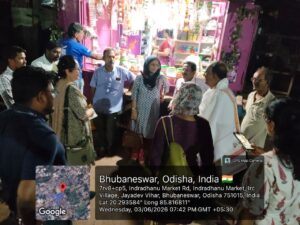
Meeta Mehra and Purnamita Dasgupta made a quality assurance visit to four field sites in Bhubaneswar.
They interacted extensively with household members who are participating in the research study, including members from households that are part of the control group and from households participating in the cool-roof intervention.
They inspected on-site cool-roof painting being done at one site and interacted with the applicator team. Community leaders and volunteers who have helped with the fieldwork came forward to interact and share their views.
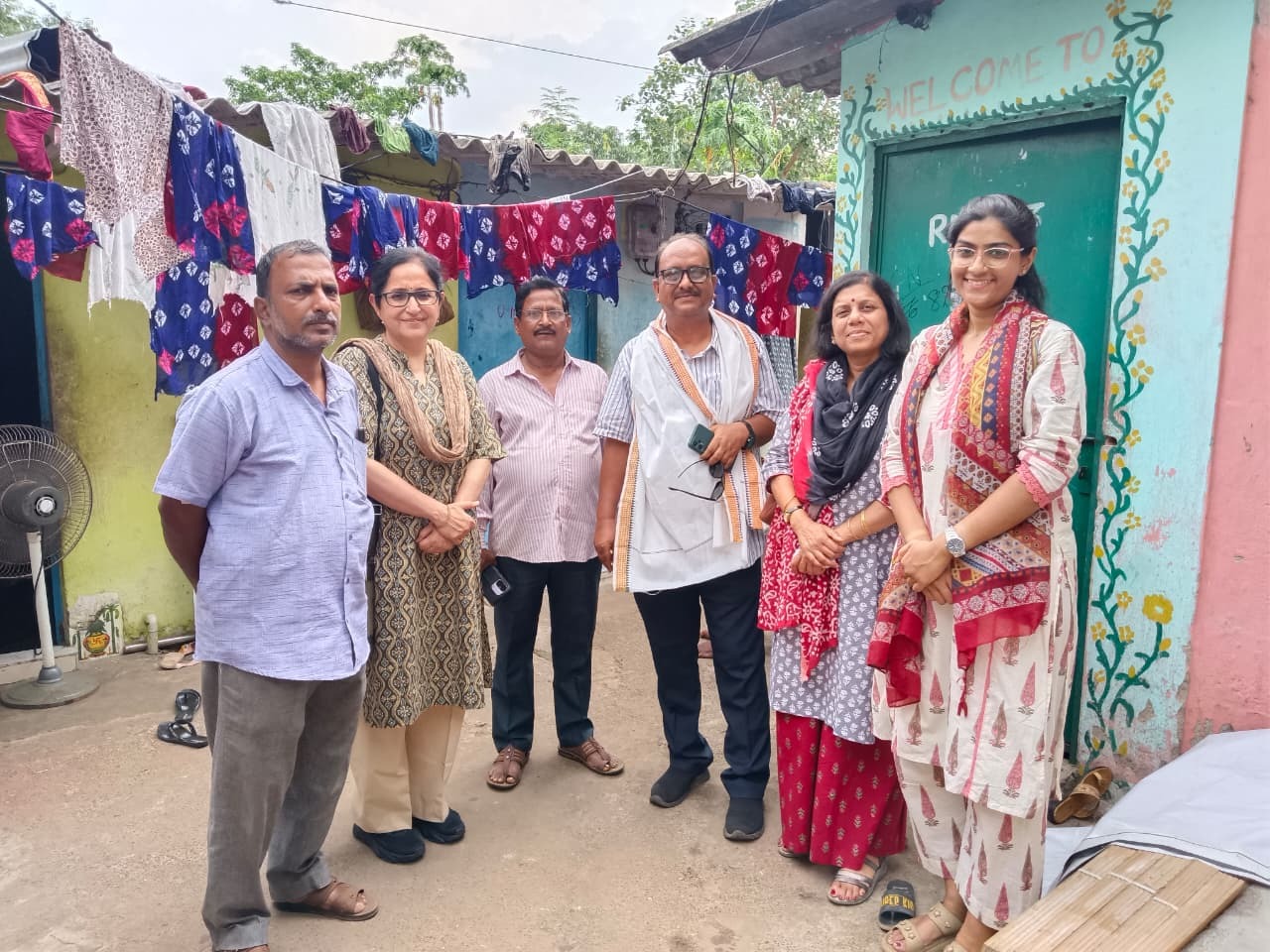
Expectedly, experiences with the cooling effect from the intervention were narrated in different ways. Some were most enthusiastic, while others were less so. Narratives also differed according to the stage at which the participating household was vis-à-vis the roof-painting intervention.
Some visits were made with the field investigators, while others were made without the field team, in order to observe and verify research activities in both the presence and absence of the field investigators. Household members were cooperative under both conditions.
Predictably, most informal sector and outdoor workers were available during the early morning visits. Afternoon visits were targeted more at understanding the indoor and outdoor heat-related environment at the sites. The individual household visits were minimised to prevent disruption to household members resting at home.
The evening visits were the liveliest, with all household members present at home and enthusiastically interacting not just with the team, but amongst themselves too.
Related Post
Heat, Thunderstorms and Pakhala: Commendable work by our Field Teams
The project team has been implementing cool-roofs as an intervention as an experiment with treatment households having their roofs painted with white reflective paint, and a control group which does not receive this intervention. Measurements of indoor and outdoor temperature and humidity, and physiological parameters are being done for both groups. Our field teams are […]
Field Investigator Training on Physiological and Meteorological Measurement devices and tools in Bhubaneswar
A full-day classroom training was held on 26th April 2026 in Bhubaneswar, Odisha, for Field Investigators to aid them with technical knowledge and practical skills in physiological measurement, meteorological monitoring, and survey administration. The first session focused on how to use devices for measuring the physiological parameters, such as blood pressure monitors, heart rate monitors, […]
Bhubaneswar Field Visit and Pilot on Meteorological and Physiological Measurements
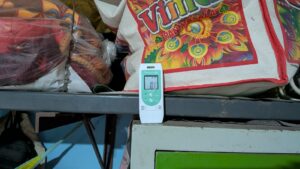
The project team visited Isaneswar Basti in Bhubaneswar, Odisha to pilot the pre-intervention survey tools and use the devices for meteorological and physiological measurements on ground. During the visit, indoor and outdoor temperature and humidity readings were recorded, along with physiological measurements such as blood pressure, heart rate, and surface body temperature of family members […]
Jaipur Field Visit
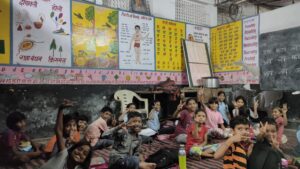
Visit to Local School (Primary & Middle): The school in Katputli Nagar has around 161 children from classes 1 to 8 studying together in a shared space consisting of one large room, a corridor, and an open shed. During summers, school hours are restricted till 11 a.m., and on extreme heat days, holidays are declared. […]
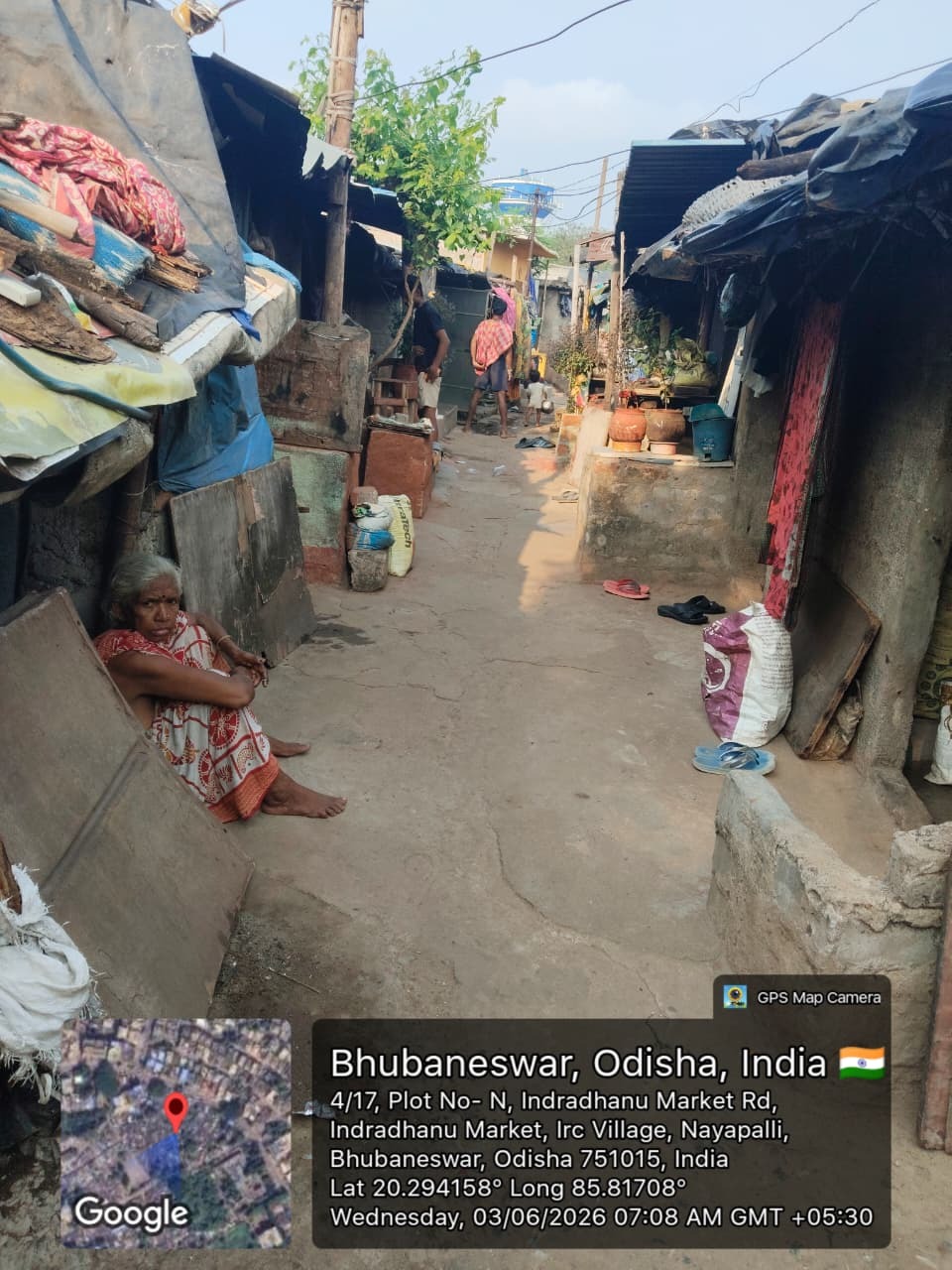
The project team has been implementing cool-roofs as an intervention as an experiment with treatment households having their roofs painted with white reflective paint, and a control group which does not receive this intervention. Measurements of indoor and outdoor temperature and humidity, and physiological parameters are being done for both groups.

Our field teams are doing a fantastic job, carrying along their own adaptation kits, and following guidelines on keeping themselves protected from extreme heat. As they pursue the research activities in densely populated, urban and low-income settlements, they face HEAT, Evening RAINS and Occasional THUNDERSTORMS, alongside every once in a while a welcome offer of TEA and even PAKHAL from a household on a hot afternoon.
Related Post
Field Investigator Training on Physiological and Meteorological Measurement devices and tools in Bhubaneswar
A full-day classroom training was held on 26th April 2026 in Bhubaneswar, Odisha, for Field Investigators to aid them with technical knowledge and practical skills in physiological measurement, meteorological monitoring, and survey administration. The first session focused on how to use devices for measuring the physiological parameters, such as blood pressure monitors, heart rate monitors, […]
Jaipur Field Visit
Visit to Local School (Primary & Middle): The school in Katputli Nagar has around 161 children from classes 1 to 8 studying together in a shared space consisting of one large room, a corridor, and an open shed. During summers, school hours are restricted till 11 a.m., and on extreme heat days, holidays are declared. […]
Kudos to all households, communities and our field workers for being with us.
Meeta Mehra and Purnamita Dasgupta made a quality assurance visit to four field sites in Bhubaneswar. They interacted extensively with household members who are participating in the research study, including members from households that are part of the control group and from households participating in the cool-roof intervention. They inspected on-site cool-roof painting being done […]
Bhubaneswar Field Visit and Pilot on Meteorological and Physiological Measurements
The project team visited Isaneswar Basti in Bhubaneswar, Odisha to pilot the pre-intervention survey tools and use the devices for meteorological and physiological measurements on ground. During the visit, indoor and outdoor temperature and humidity readings were recorded, along with physiological measurements such as blood pressure, heart rate, and surface body temperature of family members […]
The long night of India’s heatwave
The Indian EXPRESS (28 May, 2026)
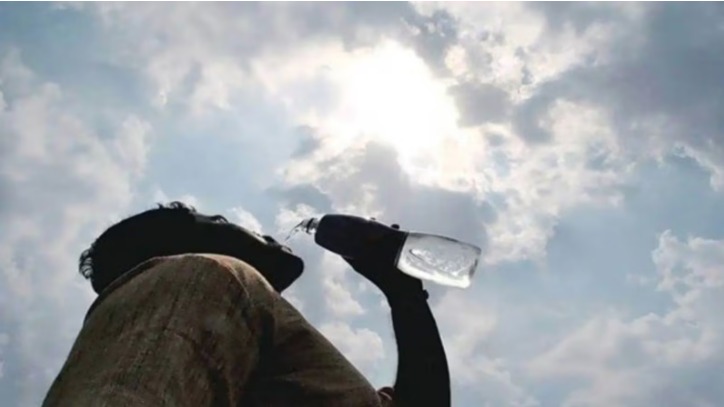
From poor sleep to higher mortality chances, rising nighttime heat is reshaping the country’s climate emergency.
Heat waves occur in India from March to June or July, and warnings are typically based only on the maximum surface air temperature (daytime). Daytime-only heatwaves (DHW) are increasingly turning into nighttime-only (NHW) and day-night compound heatwaves (CHW), and the conventional “hot-day and cool-night” no longer holds.
The dangers of warm nights and high indoor temperatures are thus increasingly gaining recognition. A recent analysis reveals that warm nights in northeast, northwest and peninsular India increased by two to eight days/decade and are projected to increase by 10–13 days/decade from 2015 to 2100. The forecast for the far-future (2080–2100) scenario: Warm nights (and days) are expected to rise sevenfold.
Related Post

Tracking ‘heat health’ in summer of heat wave
India needs to adopt a decentralised model to deal with extreme events, drawing on planning and communitisation models enshrined in the National Health Mission The political heat that the ongoing Lok Sabha polls have generated aside, the effect of the impending weeks of summer on the campaign and the actual polling process is part of […]
Who dies in a heat wave? High temperatures don’t affect everyone equally
In theory, heat-related deaths and illnesses are preventable, albeit with specific policies and interventions. The individuals who died in Noida included a ragpicker, a manual labourer and a security guard — and they were migrants Heat is both an environmental and occupational health hazard. The National Programme on Climate Change and Human Health (NPCC-HH) under […]

In scorching summer, warmer nights are a public-health challenge
The changing weather pattern is an architectural and urban planning challenge. Building designs need to prioritise ventilation and energy efficiency, while public policy should nudge in dustry to devise cooling solutions for low-income households. Summers in most parts of India have usually been harsh. However, sunset would bring some relief. The evening breeze and lower […]

Heat has health consequences, and economic ones too
The Government of India has consistently reiterated its global climate commitments. As the world heats up, heat health is increasingly occupying centre stage during the summer months. The Global Heat Health Information Network cautions that heat is a serious human health concern and that the number of people exposed to extreme heat is growing exponentially due to climate change […]

The changing weather pattern is an architectural and urban planning challenge. Building designs need to prioritise ventilation and energy efficiency, while public policy should nudge in dustry to devise cooling solutions for low-income households.
Summers in most parts of India have usually been harsh. However, sunset would bring some relief. The evening breeze and lower temperatures allowed the human body to recover from daytime stress. But this pattern is changing. Nights have become uncomfortable, especially for those without access to air conditioning. A recent study by Climate Trends, a Delhi-based climate research organisation, in medium- and low-income residential units in Chennai, showed that the peak night temperature was not very different from that experienced by people during the hottest part of the day. Research on the ways this changing weather pattern is affecting people’s lives is an emerging field. Heat-related morbidity is also under-reported and not properly documented. But studies have underlined how heat can cause cardiac stress and worsen existing illnesses, including respiratory problems and kidney ailments. The elderly, children and people dependent on outdoor jobs — vendors, construction workers, and those employed in the gig economy — are particularly vulnerable.
Several Indian states, cities and even districts have heat action plans (HAPs). They generally include early-warning systems, public advisories, cooling centres and coordination between local agencies. However, the quality of these plans is uneven. Several lack dedicated funding and enforcement mechanisms. The emphasis is overwhelmingly on emergency response, and inadequate attention is given to long-term adaptation. Most of them fail to identify the most vulnerable sections and do not suggest roadmaps to incorporate heat resilience in urban governance. A White Paper by researchers at Harvard University’s Salata Institute, released in April, underlines the scale of the challenge — it pointed out that close to 38 crore workers in India are exposed to heat, but the country’s adaptation policies are deeply unequal.
In most of urban India, natural landscapes have been replaced with heat-absorbing concrete, asphalt and glass. The arrangement of housing enclaves has shrunk air corridors. The changing weather pattern, therefore, is also an architectural and urban planning challenge. Building designs need to prioritise ventilation and energy efficiency, while public policy should nudge industry to devise cooling solutions for low-income households. The country cannot postpone meaningful conversations on improving living conditions in the face of climate vagaries.
Related Post

In a heatwave, how do we protect our most vulnerable?
In theory, all or most heat-related deaths and illnesses are preventable while in practice, gauging the public health impact of extreme temperatures is difficult 2023 was the world’s warmest year on record and it has been 47 years since the Earth has had a colder-than-average year. According to the India Meteorological Department (IMD), 2023 was […]
Heat has health consequences, and economic ones too
The Government of India has consistently reiterated its global climate commitments. As the world heats up, heat health is increasingly occupying centre stage during the summer months. The Global Heat Health Information Network cautions that heat is a serious human health concern and that the number of people exposed to extreme heat is growing exponentially due to climate change […]
The long night of India’s heatwave
From poor sleep to higher mortality chances, rising nighttime heat is reshaping the country’s climate emergency. Heat waves occur in India from March to June or July, and warnings are typically based only on the maximum surface air temperature (daytime). Daytime-only heatwaves (DHW) are increasingly turning into nighttime-only (NHW) and day-night compound heatwaves (CHW), and […]
Who dies in a heat wave? High temperatures don’t affect everyone equally
In theory, heat-related deaths and illnesses are preventable, albeit with specific policies and interventions. The individuals who died in Noida included a ragpicker, a manual labourer and a security guard — and they were migrants Heat is both an environmental and occupational health hazard. The National Programme on Climate Change and Human Health (NPCC-HH) under […]

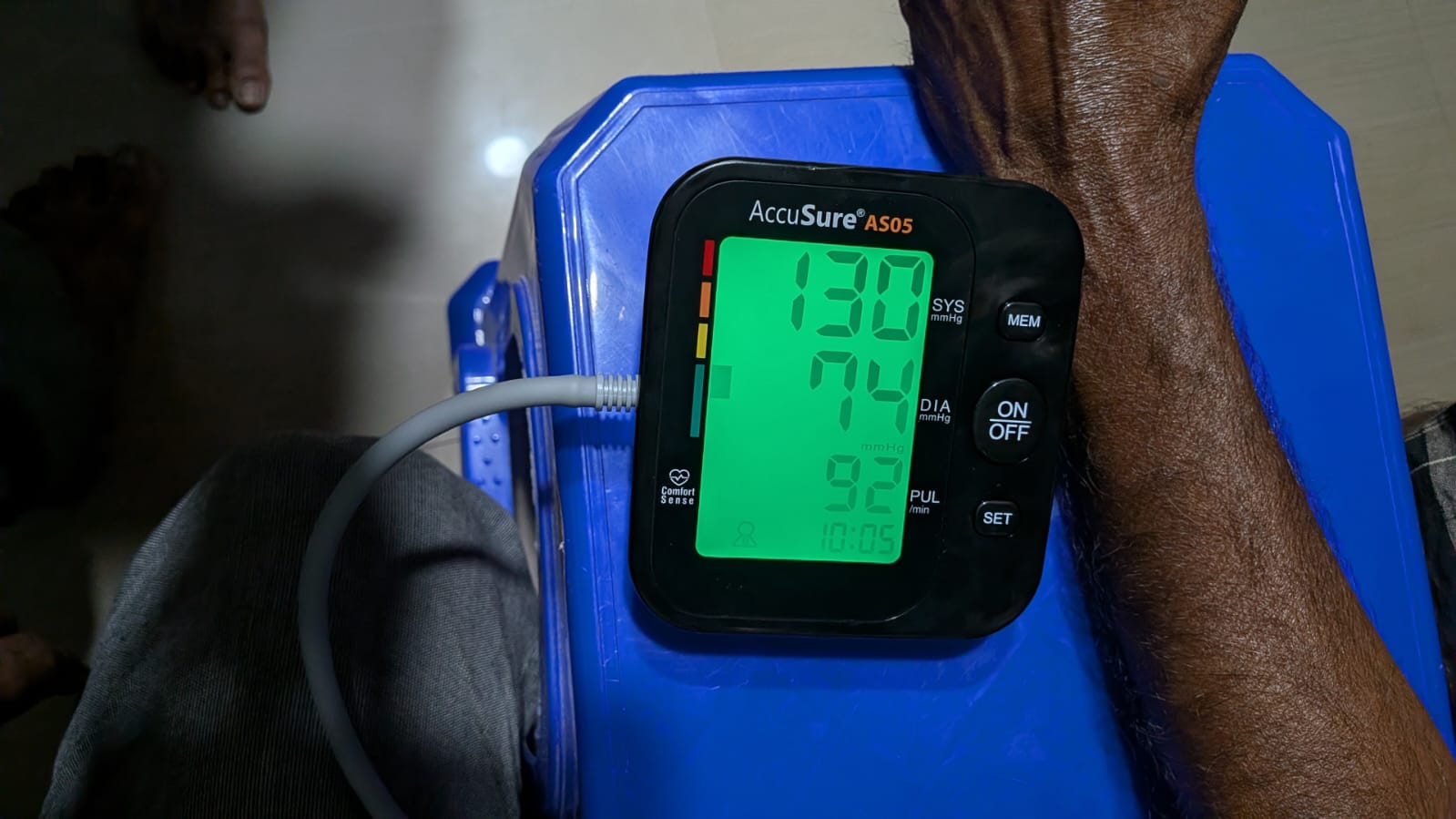
The project team visited Isaneswar Basti in Bhubaneswar, Odisha to pilot the pre-intervention survey tools and use the devices for meteorological and physiological measurements on ground. During the visit, indoor and outdoor temperature and humidity readings were recorded, along with physiological measurements such as blood pressure, heart rate, and surface body temperature of family members from selected households.

Field investigators received practical training on the correct placement of sensors, including avoiding direct sunlight, ensuring proper exposure, and maintaining an approximate height of two metres for accurate readings. Different placement methods were used based on household conditions to ensure reliable data collection.

Field investigators were also guided on-site during the physiological measurements. Important protocols were explained, such as allowing participants to rest before taking readings, maintaining proper intervals between blood pressure measurements, and ensuring correct cuff placement. The pilot visit prepared the field investigators through hands-on training and field experience.
Related Post
Jaipur Field Visit
Visit to Local School (Primary & Middle): The school in Katputli Nagar has around 161 children from classes 1 to 8 studying together in a shared space consisting of one large room, a corridor, and an open shed. During summers, school hours are restricted till 11 a.m., and on extreme heat days, holidays are declared. […]
Kudos to all households, communities and our field workers for being with us.
Meeta Mehra and Purnamita Dasgupta made a quality assurance visit to four field sites in Bhubaneswar. They interacted extensively with household members who are participating in the research study, including members from households that are part of the control group and from households participating in the cool-roof intervention. They inspected on-site cool-roof painting being done […]
Heat, Thunderstorms and Pakhala: Commendable work by our Field Teams
The project team has been implementing cool-roofs as an intervention as an experiment with treatment households having their roofs painted with white reflective paint, and a control group which does not receive this intervention. Measurements of indoor and outdoor temperature and humidity, and physiological parameters are being done for both groups. Our field teams are […]
Field Investigator Training on Physiological and Meteorological Measurement devices and tools in Bhubaneswar
A full-day classroom training was held on 26th April 2026 in Bhubaneswar, Odisha, for Field Investigators to aid them with technical knowledge and practical skills in physiological measurement, meteorological monitoring, and survey administration. The first session focused on how to use devices for measuring the physiological parameters, such as blood pressure monitors, heart rate monitors, […]

A full-day classroom training was held on 26th April 2026 in Bhubaneswar, Odisha, for Field Investigators to aid them with technical knowledge and practical skills in physiological measurement, meteorological monitoring, and survey administration.
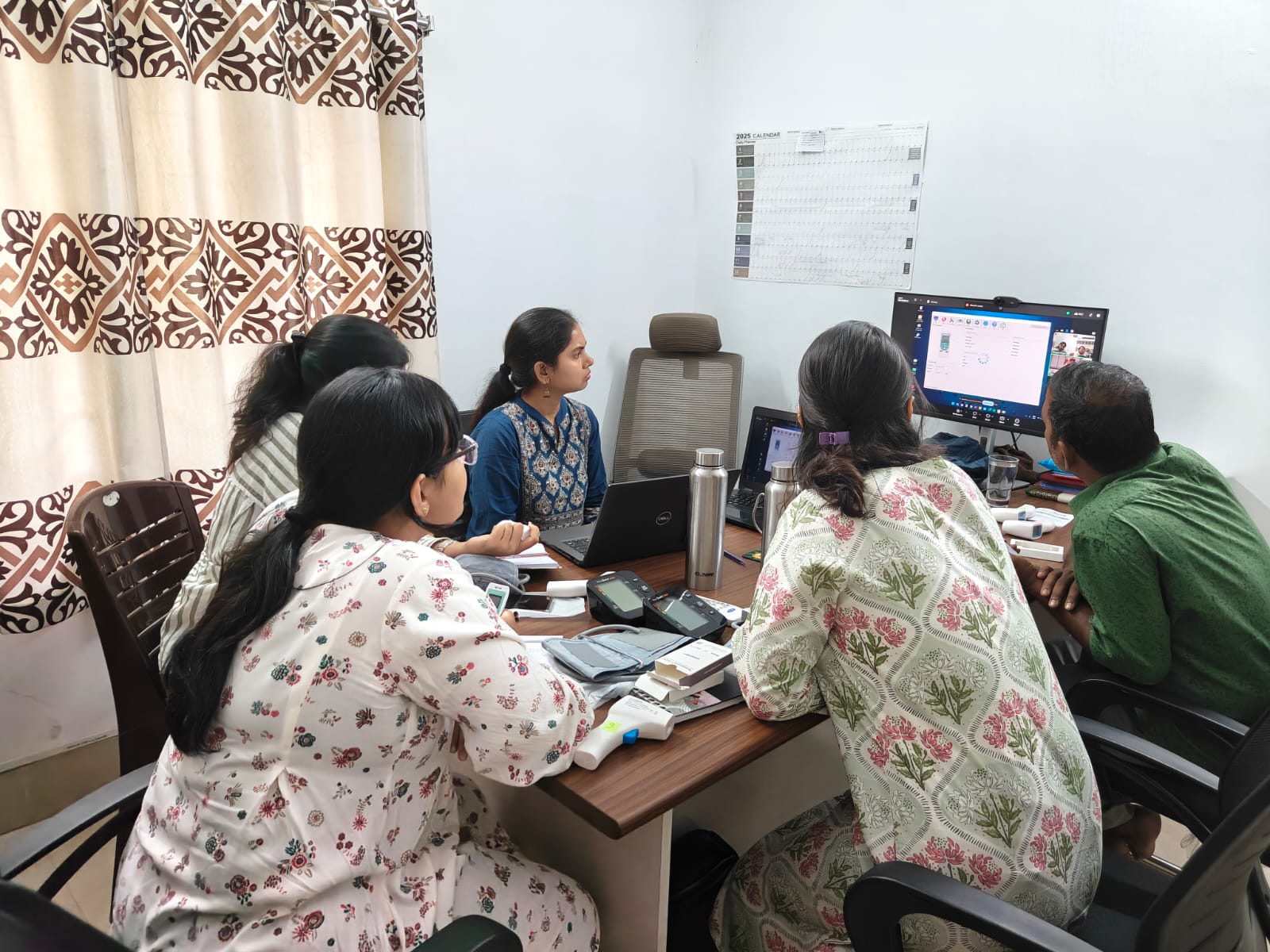
The first session focused on how to use devices for measuring the physiological parameters, such as blood pressure monitors, heart rate monitors, and surface body temperature. Through classroom discussions and supervised hands-on practice, FIs learned to operate the devices and take accurate measurements.
Next, the Tempnote team led an online session on meteorological monitoring through the device. Investigators were trained to use Tempnote devices to measure indoor and outdoor temperature and humidity. The session covered device operation, data recording, and retrieval processes.

In the final session, FIs practiced using the Kobo pre-intervention survey tool. They were introduced to Kobo forms and data collection procedures, ensuring they are ready for smooth implementation during fieldwork.
By the end of the day, the training had strengthened the technical capacity of the field investigators, equipping them to collect accurate and reliable data in diverse field conditions.
Related Post
Kudos to all households, communities and our field workers for being with us.
Meeta Mehra and Purnamita Dasgupta made a quality assurance visit to four field sites in Bhubaneswar. They interacted extensively with household members who are participating in the research study, including members from households that are part of the control group and from households participating in the cool-roof intervention. They inspected on-site cool-roof painting being done […]
Heat, Thunderstorms and Pakhala: Commendable work by our Field Teams
The project team has been implementing cool-roofs as an intervention as an experiment with treatment households having their roofs painted with white reflective paint, and a control group which does not receive this intervention. Measurements of indoor and outdoor temperature and humidity, and physiological parameters are being done for both groups. Our field teams are […]
Jaipur Field Visit
Visit to Local School (Primary & Middle): The school in Katputli Nagar has around 161 children from classes 1 to 8 studying together in a shared space consisting of one large room, a corridor, and an open shed. During summers, school hours are restricted till 11 a.m., and on extreme heat days, holidays are declared. […]
Bhubaneswar Field Visit and Pilot on Meteorological and Physiological Measurements
The project team visited Isaneswar Basti in Bhubaneswar, Odisha to pilot the pre-intervention survey tools and use the devices for meteorological and physiological measurements on ground. During the visit, indoor and outdoor temperature and humidity readings were recorded, along with physiological measurements such as blood pressure, heart rate, and surface body temperature of family members […]
Related Post
Bhubaneswar Municipal Corporation Prioritises Heat Adaptation with Support for Project CHHANW
On October 30, 2024, Bhubaneswar Municipal Corporation (BMC), a primary stakeholder of the study project, hosted a high-level stakeholder presentation in the Corporation meeting for the project “Economic and Health Impact Assessment of the Heat Adaptation Action- Case Studies from India” led by the Institute of Economic Growth (IEG), based on an earlier presentation for […]
Professor Dasgupta Highlights Community-Centred Approach to Heat Action Plans at Delhi Science Forum
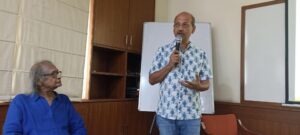
Professor Rajib Dasgupta, a co-principal investigator on project CHHANW, presented a talk titled “Heat Action Plans in a Warming India: Shifting the Gaze to Community-centred Approaches” at the Workshop on Science and Technology: Agenda for Self-reliant India organised by Delhi Science Forum on 31 August 2024 at Indian Social Institute, New Delhi. Other contributors to […]
Heat health risks need to be understood as a slow, protracted disaster
Prof. Rajib Dasgupta, in his latest op-ed for the Indian Express, highlights the Heat stress is the leading cause of weather-related deaths and can aggravate underlying morbidities.

Related Post
Bhubaneswar Municipal Corporation Prioritises Heat Adaptation with Support for Project CHHANW
On October 30, 2024, Bhubaneswar Municipal Corporation (BMC), a primary stakeholder of the study project, hosted a high-level stakeholder presentation in the Corporation meeting for the project “Economic and Health Impact Assessment of the Heat Adaptation Action- Case Studies from India” led by the Institute of Economic Growth (IEG), based on an earlier presentation for […]

Keynote Address by Prof. Purnamita Dasgupta: Navigating the Complexities of Climate Change and Development
Prof. Purnamita Dasgupta from the Institute of Economic Growth delivered a keynote address on the intricate relationship between climate change and sustainable development titled “Climate Change and Sustainable Development – Equitable and Integrative Action” at the 23rd IASSI Annual Conference held at BIT Mesra, Ranchi, from October 25th to 27th, 2024. Prof. Dasgupta emphasised the […]
Professor Dasgupta Highlights Community-Centred Approach to Heat Action Plans at Delhi Science Forum
Professor Rajib Dasgupta, a co-principal investigator on project CHHANW, presented a talk titled “Heat Action Plans in a Warming India: Shifting the Gaze to Community-centred Approaches” at the Workshop on Science and Technology: Agenda for Self-reliant India organised by Delhi Science Forum on 31 August 2024 at Indian Social Institute, New Delhi. Other contributors to […]
Visit to Local School (Primary & Middle):
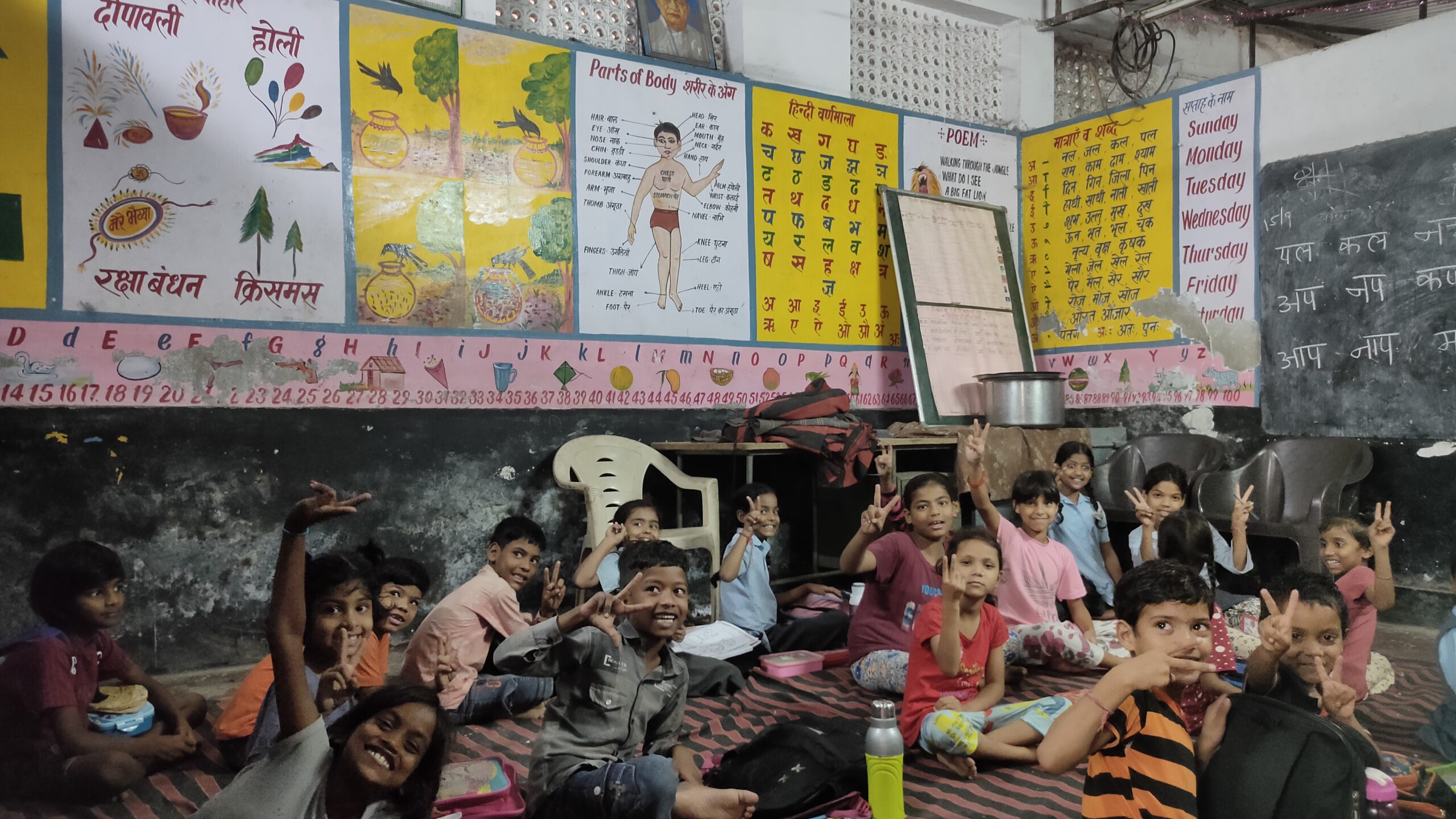
The school in Katputli Nagar has around 161 children from classes 1 to 8 studying together in a shared space consisting of one large room, a corridor, and an open shed. During summers, school hours are restricted till 11 a.m., and on extreme heat days, holidays are declared. For most children, however, the school remains the only space offering relative cooling in contrast to the tightly packed, heat-prone homes. During summer vacations, with parents away for work (6 a.m. to 6 p.m.), children often remain indoors with limited respite from heat.
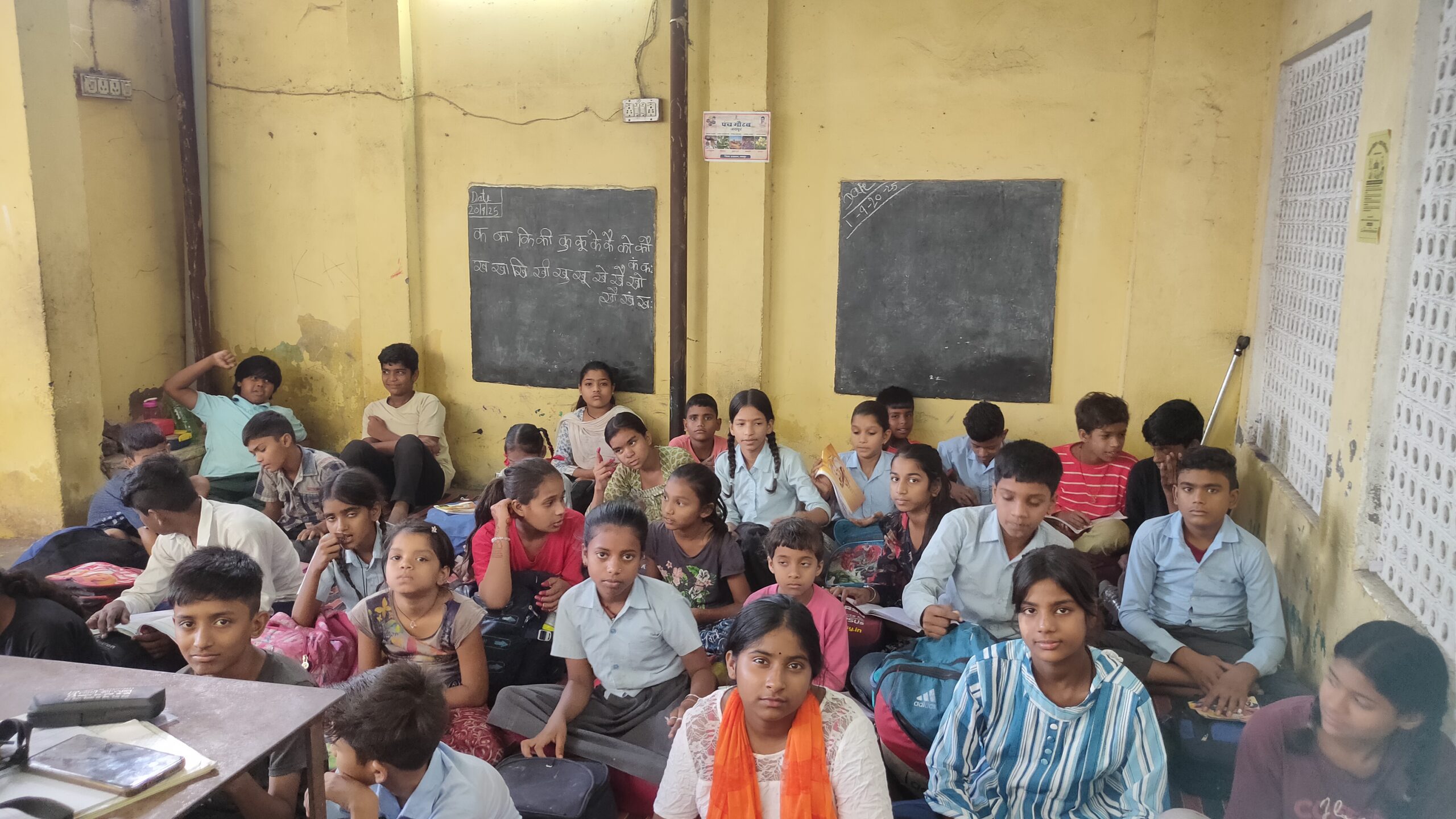
Visit to Katputli Nagar:
Katputli Nagar is one of the most densely populated and socio-economically vulnerable areas, with around 5,000–6,000 residents. Traditionally known for its katputli (puppet-making and performing) art, the number of households still practicing it has reduced to fewer than 100. Houses are closely packed, built slightly elevated to avoid drainage issues, with mostly concrete roofs—some extending with tin or concrete sheds for shade.
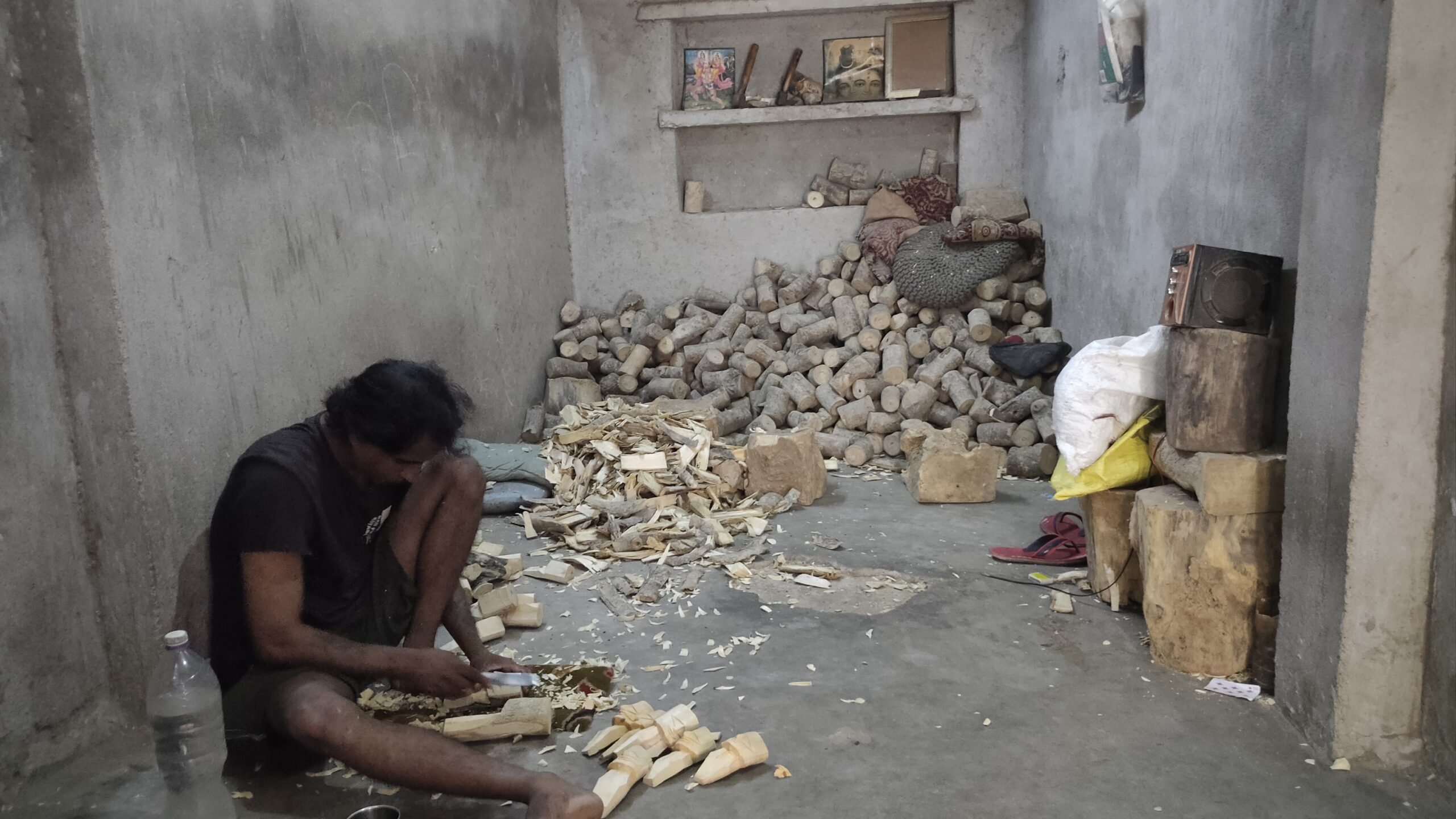
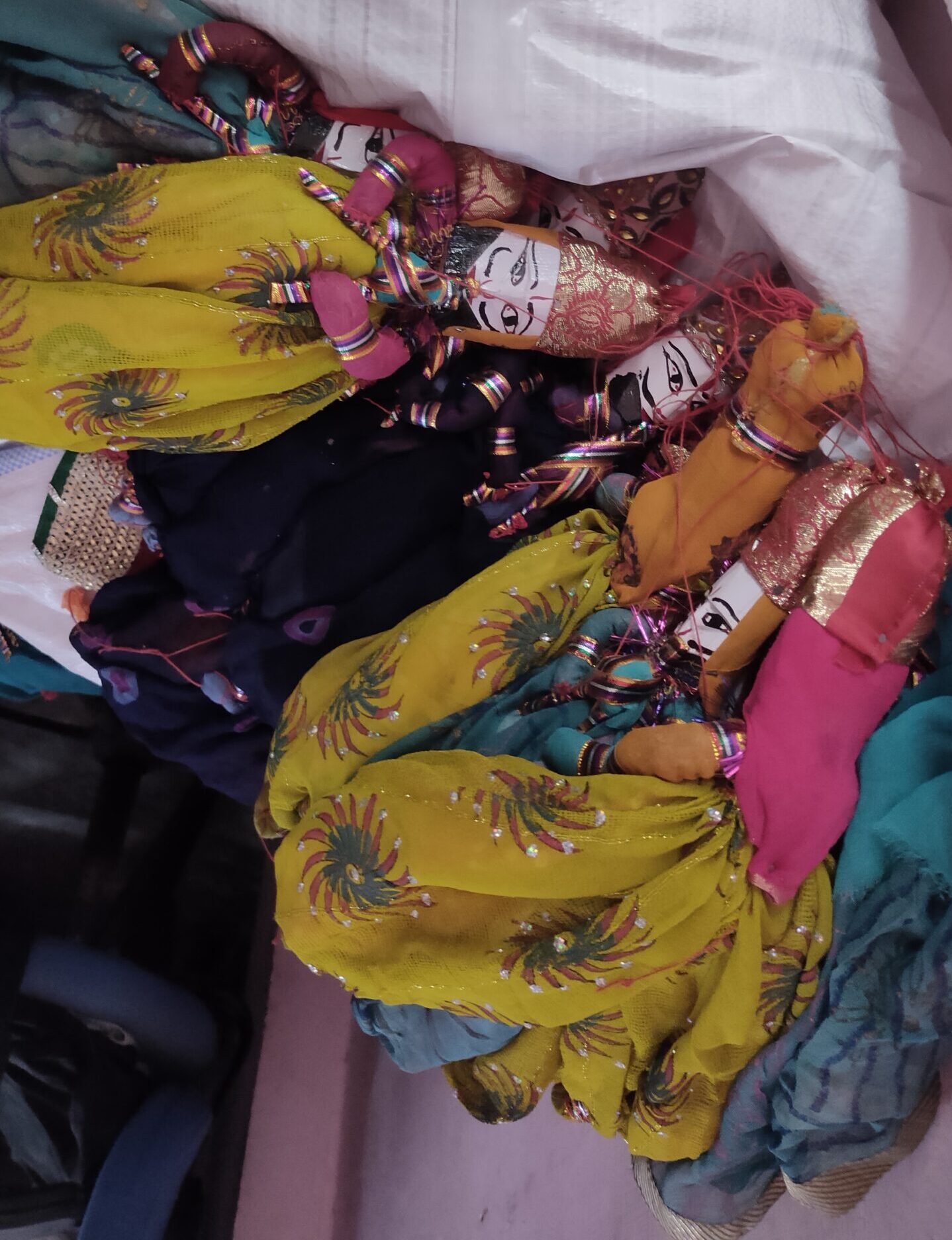
Visit to Madari Community:
The team also visited the Madari community, originally from Bikaner and nearby rural areas. Earlier, the community earned its livelihood through animal performances and magic shows across Rajasthan. With stricter animal protection regulations, they have now settled permanently. The settlement showed mixed housing conditions—some houses fully concretized, others semi-open or multi-storeyed.
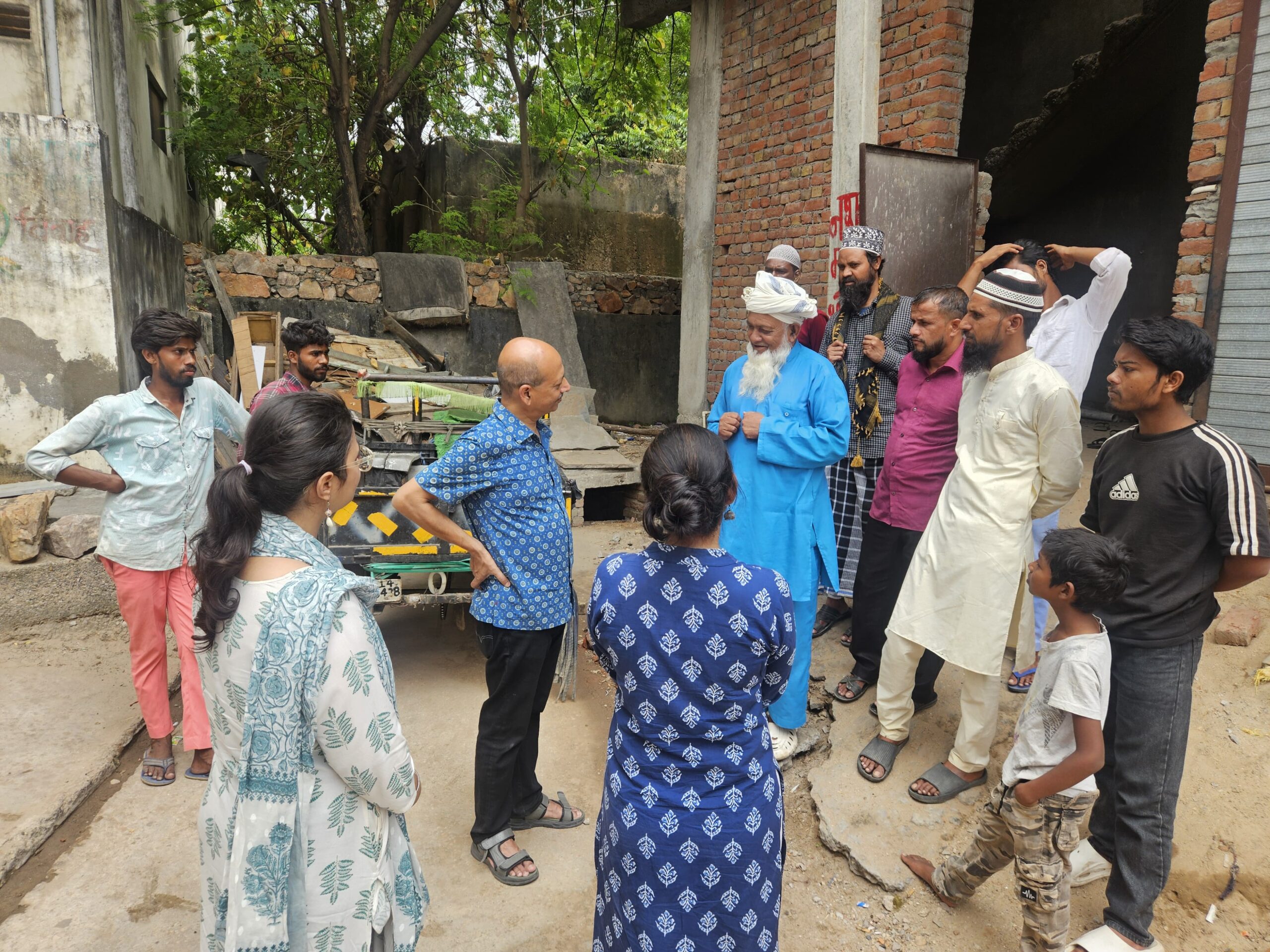

Visit to MRHRU & CHC, Bhanupur Kalan:
The team visited the Model Rural Health Research Unit (MRHRU), Jaipur, under ICMR-NIIRNCD, Jodhpur, and the adjoining Community Health Centre (CHC). During the visit (around 9:30–10:00 a.m.), the CHC was bustling with patients, including elderly individuals, children, and women. The OPD, pharmacy, and gynecology department were fully occupied, and all general ward beds were in use, with several patients on IV drips.
IEC posters on heatwave protection—developed under NPCCHH, NHM Rajasthan, and co-created with UNICEF—were displayed across the premises. However, the posters were largely text-heavy and placed in less accessible areas for the general public.

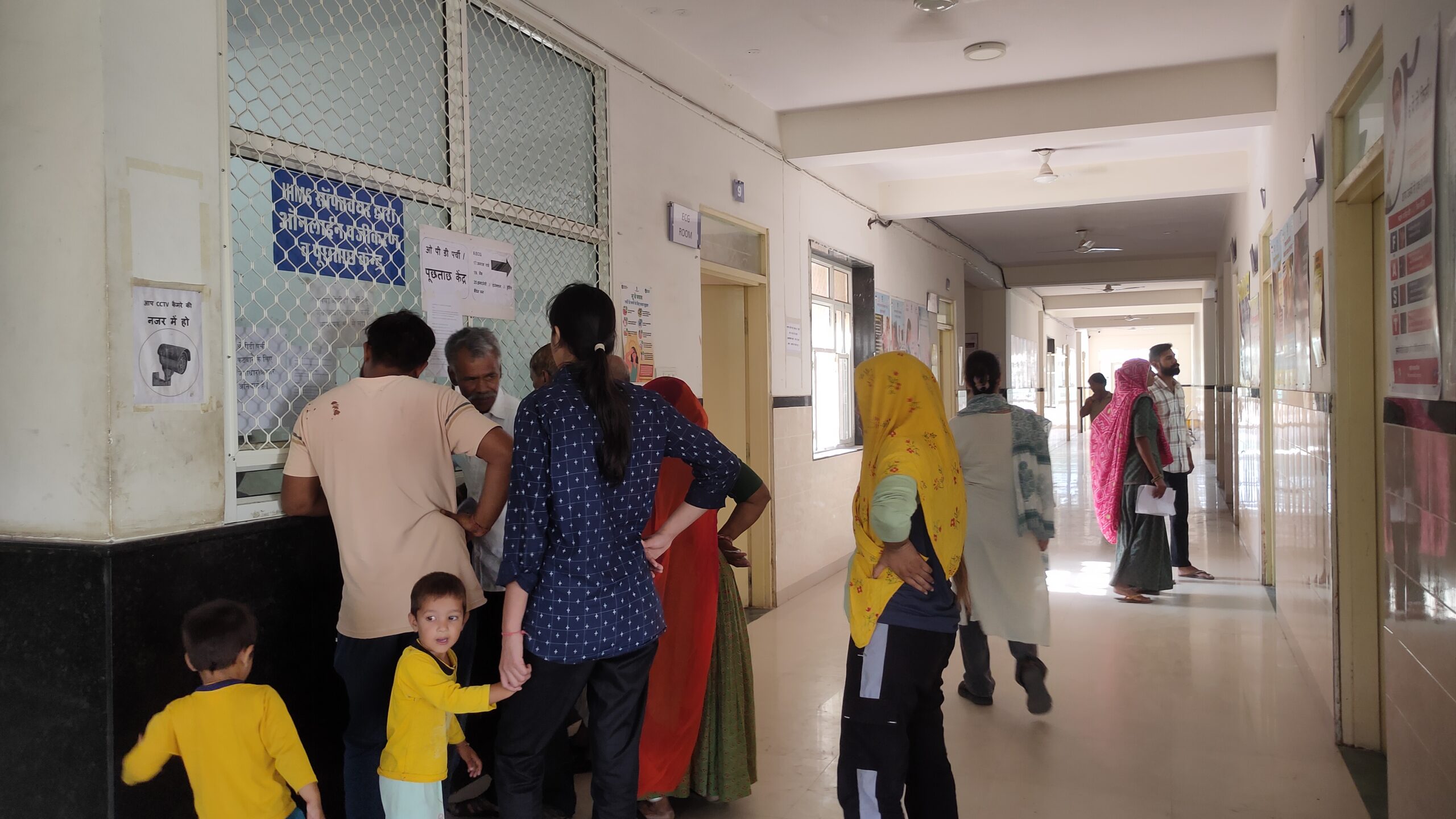
Photos were taken with permission.
Related Post
Kudos to all households, communities and our field workers for being with us.
Meeta Mehra and Purnamita Dasgupta made a quality assurance visit to four field sites in Bhubaneswar. They interacted extensively with household members who are participating in the research study, including members from households that are part of the control group and from households participating in the cool-roof intervention. They inspected on-site cool-roof painting being done […]
Heat, Thunderstorms and Pakhala: Commendable work by our Field Teams
The project team has been implementing cool-roofs as an intervention as an experiment with treatment households having their roofs painted with white reflective paint, and a control group which does not receive this intervention. Measurements of indoor and outdoor temperature and humidity, and physiological parameters are being done for both groups. Our field teams are […]
Field Investigator Training on Physiological and Meteorological Measurement devices and tools in Bhubaneswar
A full-day classroom training was held on 26th April 2026 in Bhubaneswar, Odisha, for Field Investigators to aid them with technical knowledge and practical skills in physiological measurement, meteorological monitoring, and survey administration. The first session focused on how to use devices for measuring the physiological parameters, such as blood pressure monitors, heart rate monitors, […]
Bhubaneswar Field Visit and Pilot on Meteorological and Physiological Measurements
The project team visited Isaneswar Basti in Bhubaneswar, Odisha to pilot the pre-intervention survey tools and use the devices for meteorological and physiological measurements on ground. During the visit, indoor and outdoor temperature and humidity readings were recorded, along with physiological measurements such as blood pressure, heart rate, and surface body temperature of family members […]
I am not stronger than heat: Heat-Health Risks Call for Urgent Action from Employers
 Reeta Saxena, Chaman Malik
Summers are getting hotter, and for outdoor workers, the heat isn’t just uncomfortable — it can be dangerous. During my visit to a low-income setting in Jaipur, I met Kishore Kumar (name changed), a 42-year-old construction labourer who learned the hard way how prolonged exposure to extreme heat can take a serious toll — not just on the body, but also on his pocket.
According to one estimate, over 230 million Indians, constituting almost half of the workforce — are engaged fulltime or part time in outdoor work (ref). A large proportion of these workers typically earn low wages, belong to low income households and face tough working conditions. Low-income households often have limited access to basic essentials such as clean water and reliable electricity, and have homes in crowded settlements characterized by poor ventilation, minimal protective insulation and no access to green spaces.
One day, last summer, Kishore reached the construction site where he was working, much as usual. Temperatures soared past 45°C that day. As he recalled, “I thought I was just tired or maybe dehydrated. However, soon I couldn’t stand, and everything went dark.”
As Kishore fell to the ground, his co-workers rushed him to the nearest hospital. Doctors lost no time in diagnosing him as a case of heat stroke, a life-threatening condition. Kishore was hospitalized for a day and advised on release, be on rest for another 4 days. “The doctor told me I had pushed too far. I thought I was strong, but the heat made me realise that I am not stronger than heat,” he said.
While he recovered, Kishore faced a harsh reality that no work means no pay. Over the next 3 days, he had to forgo ₹3,000 in wages which could have been used for buying provisions for his family. In Kishore’s words: “Now, I take frequent breaks whenever possible and drink more water, otherwise I will faint again.”
Kishore’s story is unique to him, but representative of hundreds of such outdoor workers in his city – including workers at construction sites, agricultural labourers, and rickshaw pullers to name a few. Unaware about heat related illnesses, lacking the means to protect themselves and with inadequate facilities for cooling and prevention measures at workplaces.
Let’s prevent more stories like Kishore’s. How hard can it be to provide sufficient drinking water, shaded areas for rest, create awareness about heat related illnesses and a few breaks during work hours! For more information,
check:https://chhanw.com/;https://www.linkedin.com/company/chhanw/?lipi=urn%3Ali%3Apage%3Ad_flagship3_profi le_view_base%3B9gQvJXHHT2e1fZtYW5yV%2Bw%3D%3D
Reeta Saxena, Chaman Malik
Related Post

Where is heat on my priority list?
The intensity and severity of heatwaves in India and across the globe have been steadily rising. Some desert regions in India are now experiencing extreme temperatures—reaching as high as 52°C. What once felt exceptional is now becoming the norm. Every summer, the front pages of newspapers have startling headlines on how heat has broken a […]

Sustainable Cooling Matters
By Sandipta Rath, Anwesha Mishra, Sruti Mohapatra, Purnasha Pany CHHANW team, Institute of Economic Growth “Buying an AC was never a choice but a need. When my father collapsed due to sunstroke during work, we made the decision to prioritize his health even if it means we will be tied to monthly installments and high […]

To ORS or not to ORS?
Countries across the world have been facing increased temperature coupled with rising frequency and intensity of heat waves. Heat is often associated with an array of physiological impacts including heatstroke, dizziness, dehydration and in severe cases, even death. Among these, dehydration has been associated with all age groups with higher vulnerability among infants, younger children […]