
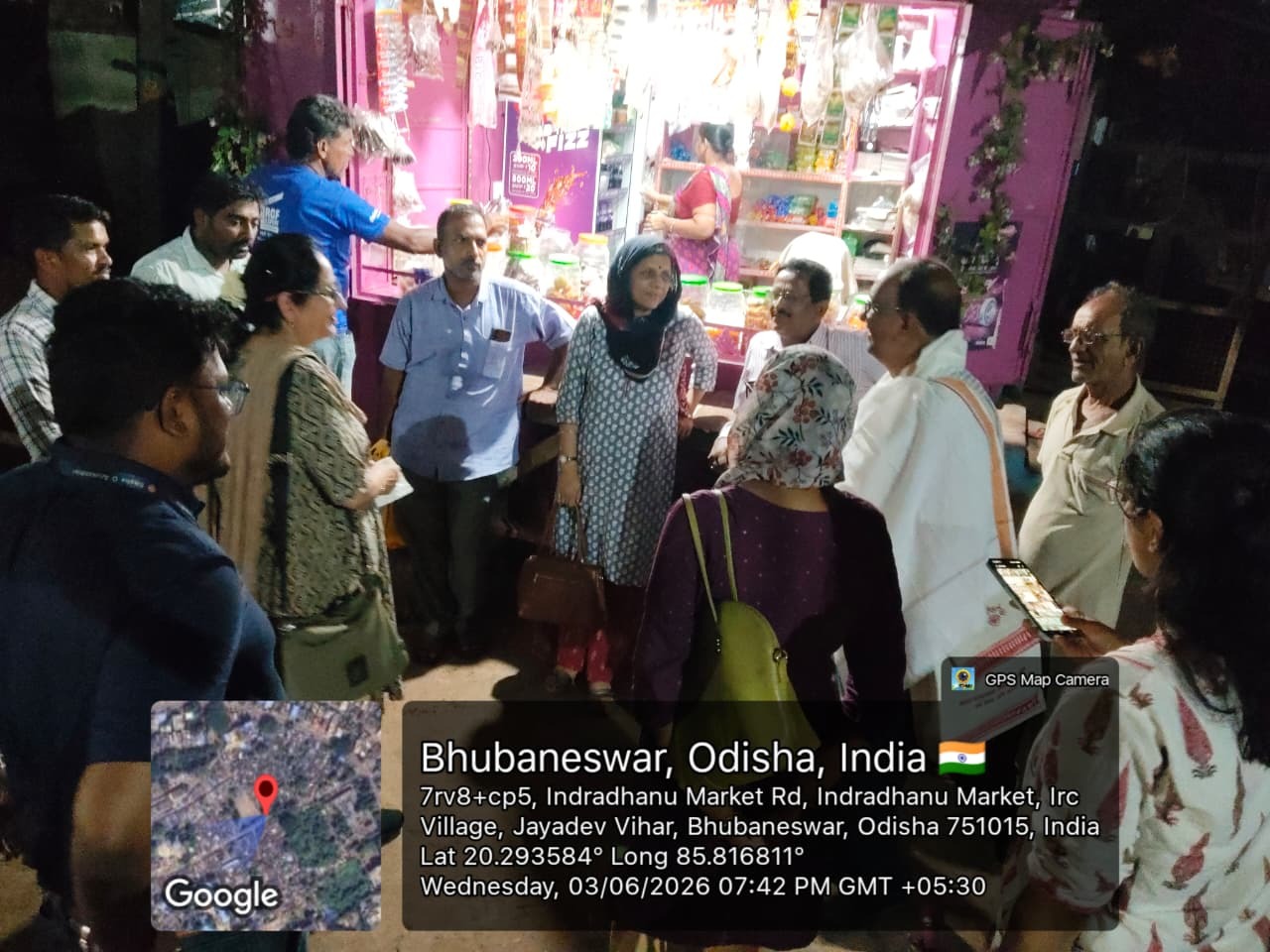
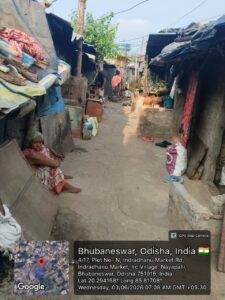
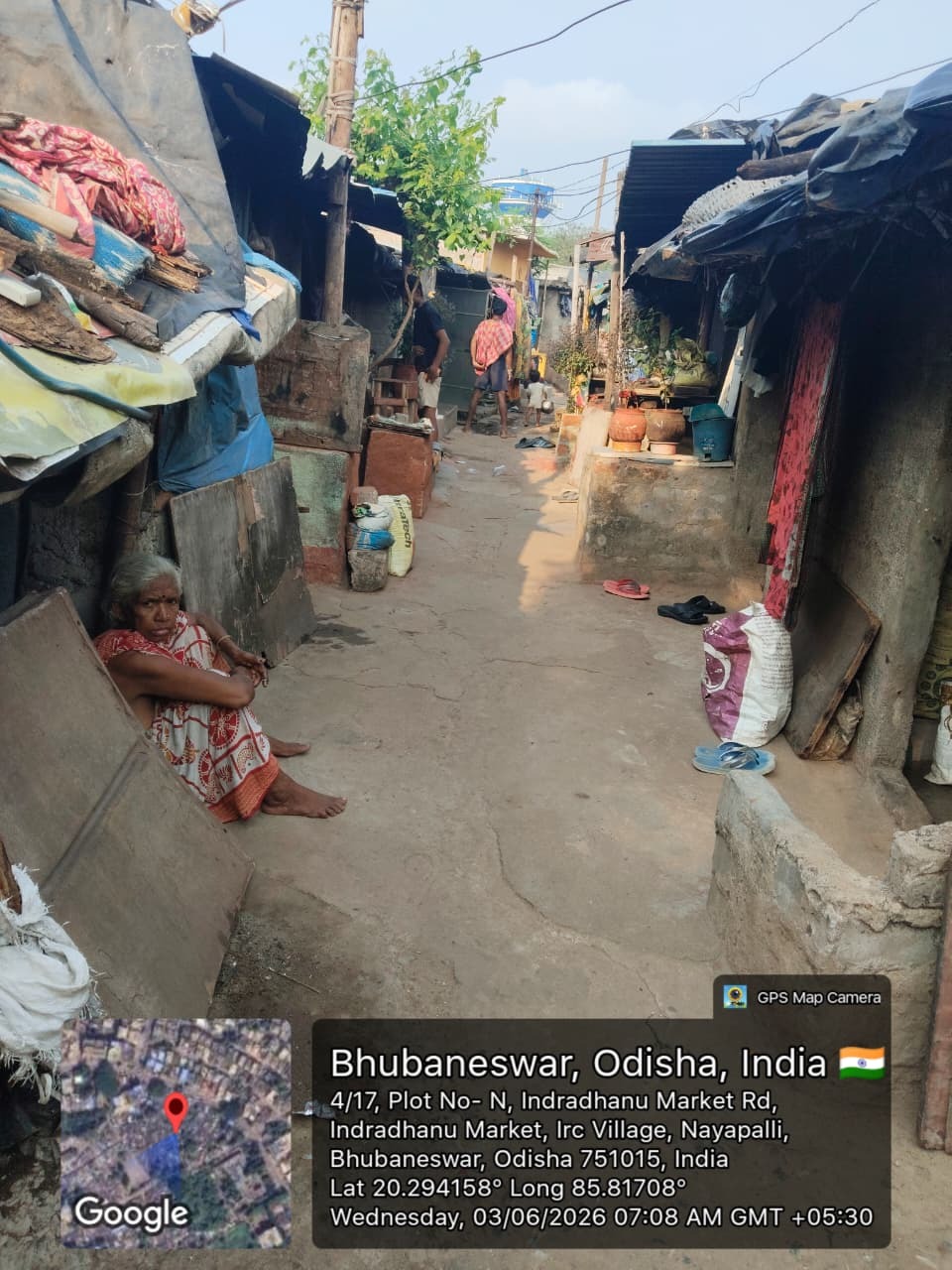
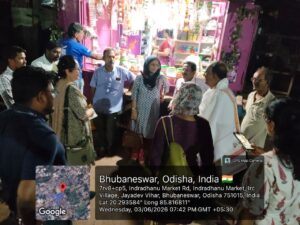
Meeta Mehra and Purnamita Dasgupta made a quality assurance visit to four field sites in Bhubaneswar.
They interacted extensively with household members who are participating in the research study, including members from households that are part of the control group and from households participating in the cool-roof intervention.
They inspected on-site cool-roof painting being done at one site and interacted with the applicator team. Community leaders and volunteers who have helped with the fieldwork came forward to interact and share their views.
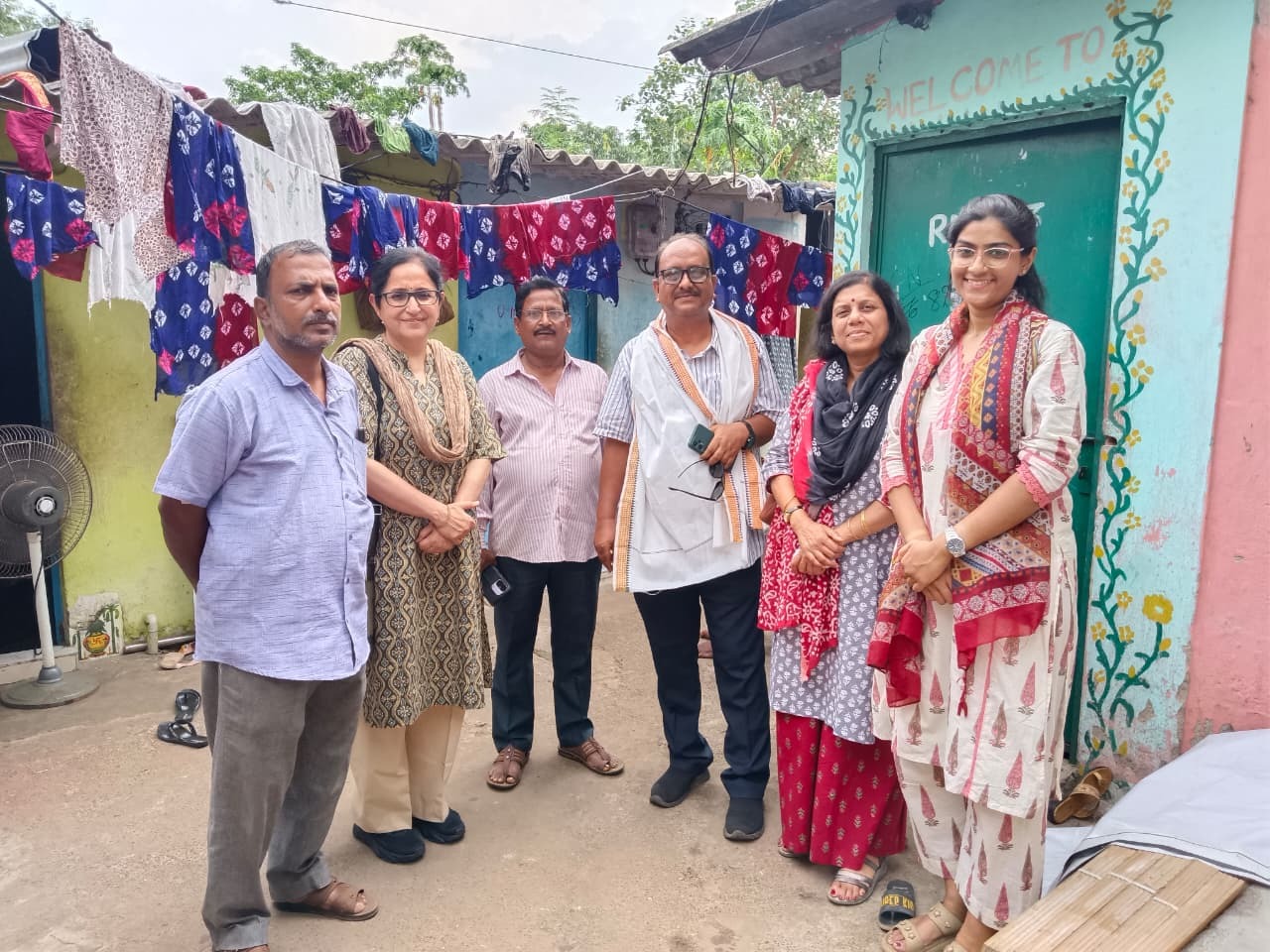
Expectedly, experiences with the cooling effect from the intervention were narrated in different ways. Some were most enthusiastic, while others were less so. Narratives also differed according to the stage at which the participating household was vis-à-vis the roof-painting intervention.
Some visits were made with the field investigators, while others were made without the field team, in order to observe and verify research activities in both the presence and absence of the field investigators. Household members were cooperative under both conditions.
Predictably, most informal sector and outdoor workers were available during the early morning visits. Afternoon visits were targeted more at understanding the indoor and outdoor heat-related environment at the sites. The individual household visits were minimised to prevent disruption to household members resting at home.
The evening visits were the liveliest, with all household members present at home and enthusiastically interacting not just with the team, but amongst themselves too.
Related Post
Field Investigator Training on Physiological and Meteorological Measurement devices and tools in Bhubaneswar
A full-day classroom training was held on 26th April 2026 in Bhubaneswar, Odisha, for Field Investigators to aid them with technical knowledge and practical skills in physiological measurement, meteorological monitoring, and survey administration. The first session focused on how to use devices for measuring the physiological parameters, such as blood pressure monitors, heart rate monitors, […]
Jaipur Field Visit
Visit to Local School (Primary & Middle): The school in Katputli Nagar has around 161 children from classes 1 to 8 studying together in a shared space consisting of one large room, a corridor, and an open shed. During summers, school hours are restricted till 11 a.m., and on extreme heat days, holidays are declared. […]
Heat, Thunderstorms and Pakhala: Commendable work by our Field Teams
The project team has been implementing cool-roofs as an intervention as an experiment with treatment households having their roofs painted with white reflective paint, and a control group which does not receive this intervention. Measurements of indoor and outdoor temperature and humidity, and physiological parameters are being done for both groups. Our field teams are […]
Bhubaneswar Field Visit and Pilot on Meteorological and Physiological Measurements
The project team visited Isaneswar Basti in Bhubaneswar, Odisha to pilot the pre-intervention survey tools and use the devices for meteorological and physiological measurements on ground. During the visit, indoor and outdoor temperature and humidity readings were recorded, along with physiological measurements such as blood pressure, heart rate, and surface body temperature of family members […]
The project team has been implementing cool-roofs as an intervention as an experiment with treatment households having their roofs painted with white reflective paint, and a control group which does not receive this intervention. Measurements of indoor and outdoor temperature and humidity, and physiological parameters are being done for both groups.

Our field teams are doing a fantastic job, carrying along their own adaptation kits, and following guidelines on keeping themselves protected from extreme heat. As they pursue the research activities in densely populated, urban and low-income settlements, they face HEAT, Evening RAINS and Occasional THUNDERSTORMS, alongside every once in a while a welcome offer of TEA and even PAKHAL from a household on a hot afternoon.
Related Post
Kudos to all households, communities and our field workers for being with us.
Meeta Mehra and Purnamita Dasgupta made a quality assurance visit to four field sites in Bhubaneswar. They interacted extensively with household members who are participating in the research study, including members from households that are part of the control group and from households participating in the cool-roof intervention. They inspected on-site cool-roof painting being done […]
Bhubaneswar Field Visit and Pilot on Meteorological and Physiological Measurements
The project team visited Isaneswar Basti in Bhubaneswar, Odisha to pilot the pre-intervention survey tools and use the devices for meteorological and physiological measurements on ground. During the visit, indoor and outdoor temperature and humidity readings were recorded, along with physiological measurements such as blood pressure, heart rate, and surface body temperature of family members […]
Jaipur Field Visit
Visit to Local School (Primary & Middle): The school in Katputli Nagar has around 161 children from classes 1 to 8 studying together in a shared space consisting of one large room, a corridor, and an open shed. During summers, school hours are restricted till 11 a.m., and on extreme heat days, holidays are declared. […]
Field Investigator Training on Physiological and Meteorological Measurement devices and tools in Bhubaneswar
A full-day classroom training was held on 26th April 2026 in Bhubaneswar, Odisha, for Field Investigators to aid them with technical knowledge and practical skills in physiological measurement, meteorological monitoring, and survey administration. The first session focused on how to use devices for measuring the physiological parameters, such as blood pressure monitors, heart rate monitors, […]

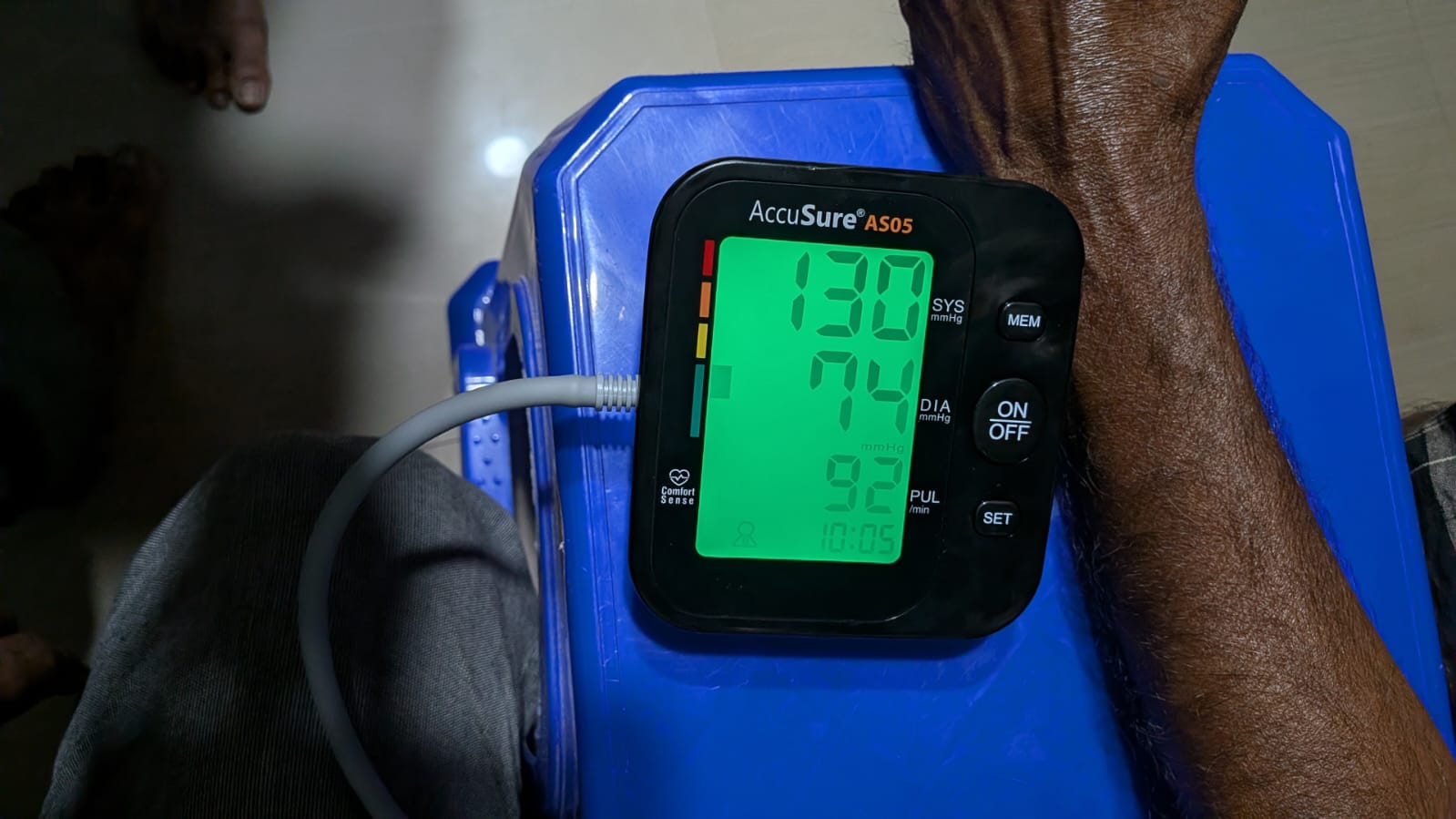
The project team visited Isaneswar Basti in Bhubaneswar, Odisha to pilot the pre-intervention survey tools and use the devices for meteorological and physiological measurements on ground. During the visit, indoor and outdoor temperature and humidity readings were recorded, along with physiological measurements such as blood pressure, heart rate, and surface body temperature of family members from selected households.

Field investigators received practical training on the correct placement of sensors, including avoiding direct sunlight, ensuring proper exposure, and maintaining an approximate height of two metres for accurate readings. Different placement methods were used based on household conditions to ensure reliable data collection.

Field investigators were also guided on-site during the physiological measurements. Important protocols were explained, such as allowing participants to rest before taking readings, maintaining proper intervals between blood pressure measurements, and ensuring correct cuff placement. The pilot visit prepared the field investigators through hands-on training and field experience.
Related Post
Field Investigator Training on Physiological and Meteorological Measurement devices and tools in Bhubaneswar
A full-day classroom training was held on 26th April 2026 in Bhubaneswar, Odisha, for Field Investigators to aid them with technical knowledge and practical skills in physiological measurement, meteorological monitoring, and survey administration. The first session focused on how to use devices for measuring the physiological parameters, such as blood pressure monitors, heart rate monitors, […]
Heat, Thunderstorms and Pakhala: Commendable work by our Field Teams
The project team has been implementing cool-roofs as an intervention as an experiment with treatment households having their roofs painted with white reflective paint, and a control group which does not receive this intervention. Measurements of indoor and outdoor temperature and humidity, and physiological parameters are being done for both groups. Our field teams are […]
Kudos to all households, communities and our field workers for being with us.
Meeta Mehra and Purnamita Dasgupta made a quality assurance visit to four field sites in Bhubaneswar. They interacted extensively with household members who are participating in the research study, including members from households that are part of the control group and from households participating in the cool-roof intervention. They inspected on-site cool-roof painting being done […]
Jaipur Field Visit
Visit to Local School (Primary & Middle): The school in Katputli Nagar has around 161 children from classes 1 to 8 studying together in a shared space consisting of one large room, a corridor, and an open shed. During summers, school hours are restricted till 11 a.m., and on extreme heat days, holidays are declared. […]

A full-day classroom training was held on 26th April 2026 in Bhubaneswar, Odisha, for Field Investigators to aid them with technical knowledge and practical skills in physiological measurement, meteorological monitoring, and survey administration.
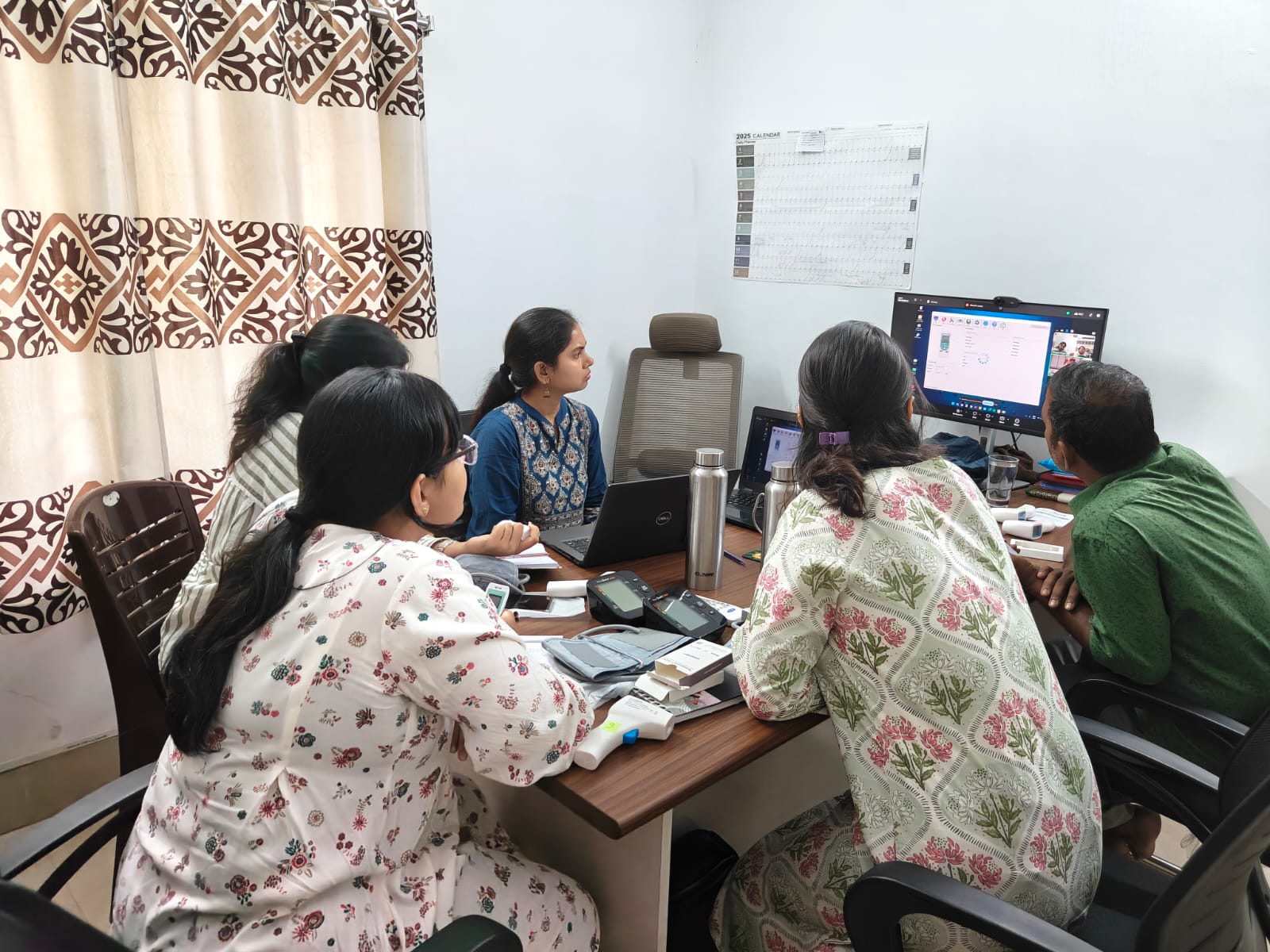
The first session focused on how to use devices for measuring the physiological parameters, such as blood pressure monitors, heart rate monitors, and surface body temperature. Through classroom discussions and supervised hands-on practice, FIs learned to operate the devices and take accurate measurements.
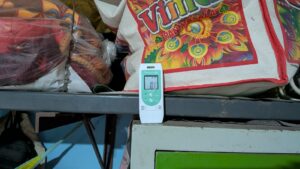
Next, the Tempnote team led an online session on meteorological monitoring through the device. Investigators were trained to use Tempnote devices to measure indoor and outdoor temperature and humidity. The session covered device operation, data recording, and retrieval processes.

In the final session, FIs practiced using the Kobo pre-intervention survey tool. They were introduced to Kobo forms and data collection procedures, ensuring they are ready for smooth implementation during fieldwork.
By the end of the day, the training had strengthened the technical capacity of the field investigators, equipping them to collect accurate and reliable data in diverse field conditions.
Related Post
Kudos to all households, communities and our field workers for being with us.
Meeta Mehra and Purnamita Dasgupta made a quality assurance visit to four field sites in Bhubaneswar. They interacted extensively with household members who are participating in the research study, including members from households that are part of the control group and from households participating in the cool-roof intervention. They inspected on-site cool-roof painting being done […]
Bhubaneswar Field Visit and Pilot on Meteorological and Physiological Measurements
The project team visited Isaneswar Basti in Bhubaneswar, Odisha to pilot the pre-intervention survey tools and use the devices for meteorological and physiological measurements on ground. During the visit, indoor and outdoor temperature and humidity readings were recorded, along with physiological measurements such as blood pressure, heart rate, and surface body temperature of family members […]
Heat, Thunderstorms and Pakhala: Commendable work by our Field Teams
The project team has been implementing cool-roofs as an intervention as an experiment with treatment households having their roofs painted with white reflective paint, and a control group which does not receive this intervention. Measurements of indoor and outdoor temperature and humidity, and physiological parameters are being done for both groups. Our field teams are […]
Jaipur Field Visit
Visit to Local School (Primary & Middle): The school in Katputli Nagar has around 161 children from classes 1 to 8 studying together in a shared space consisting of one large room, a corridor, and an open shed. During summers, school hours are restricted till 11 a.m., and on extreme heat days, holidays are declared. […]
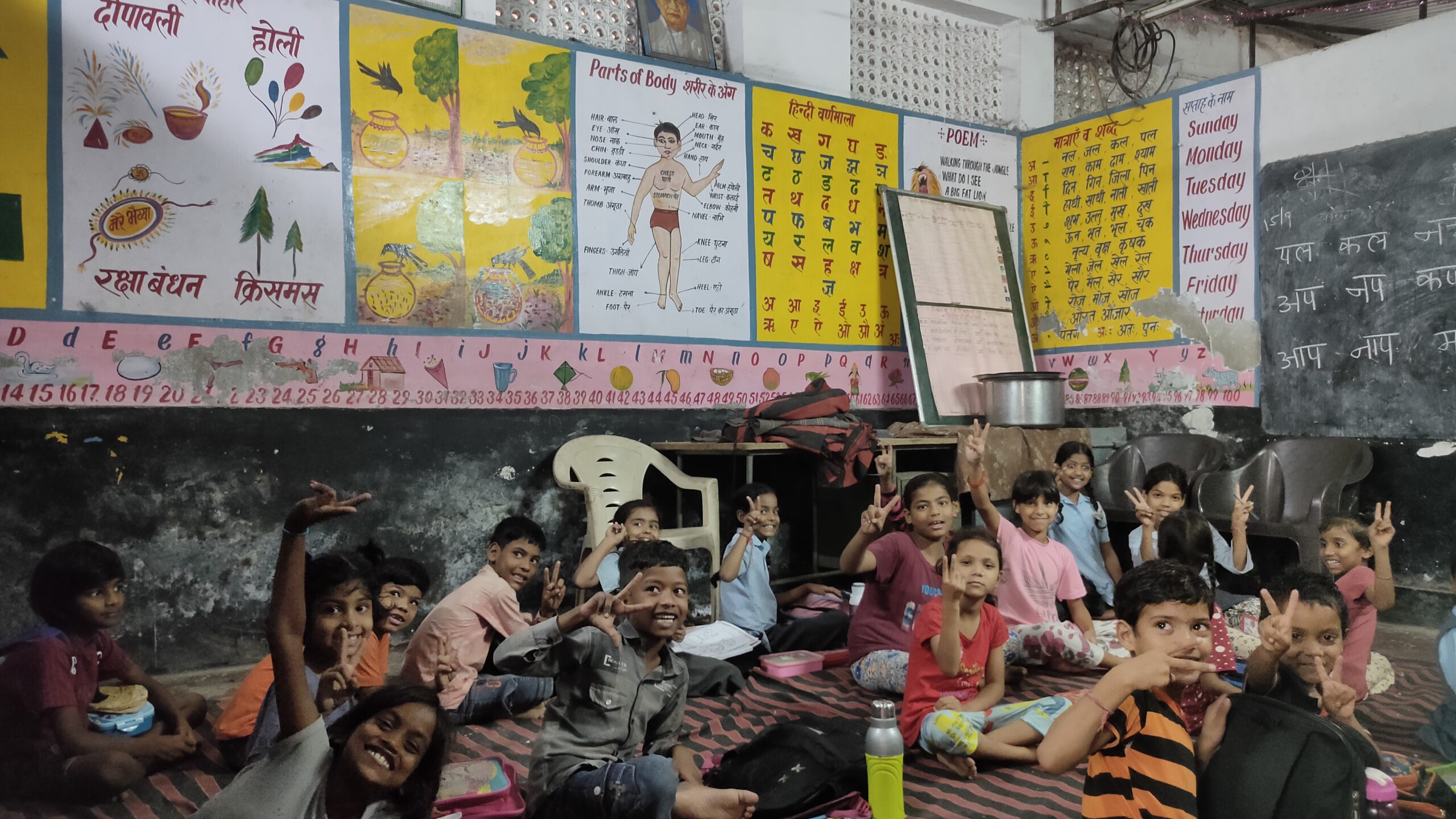
Visit to Local School (Primary & Middle):
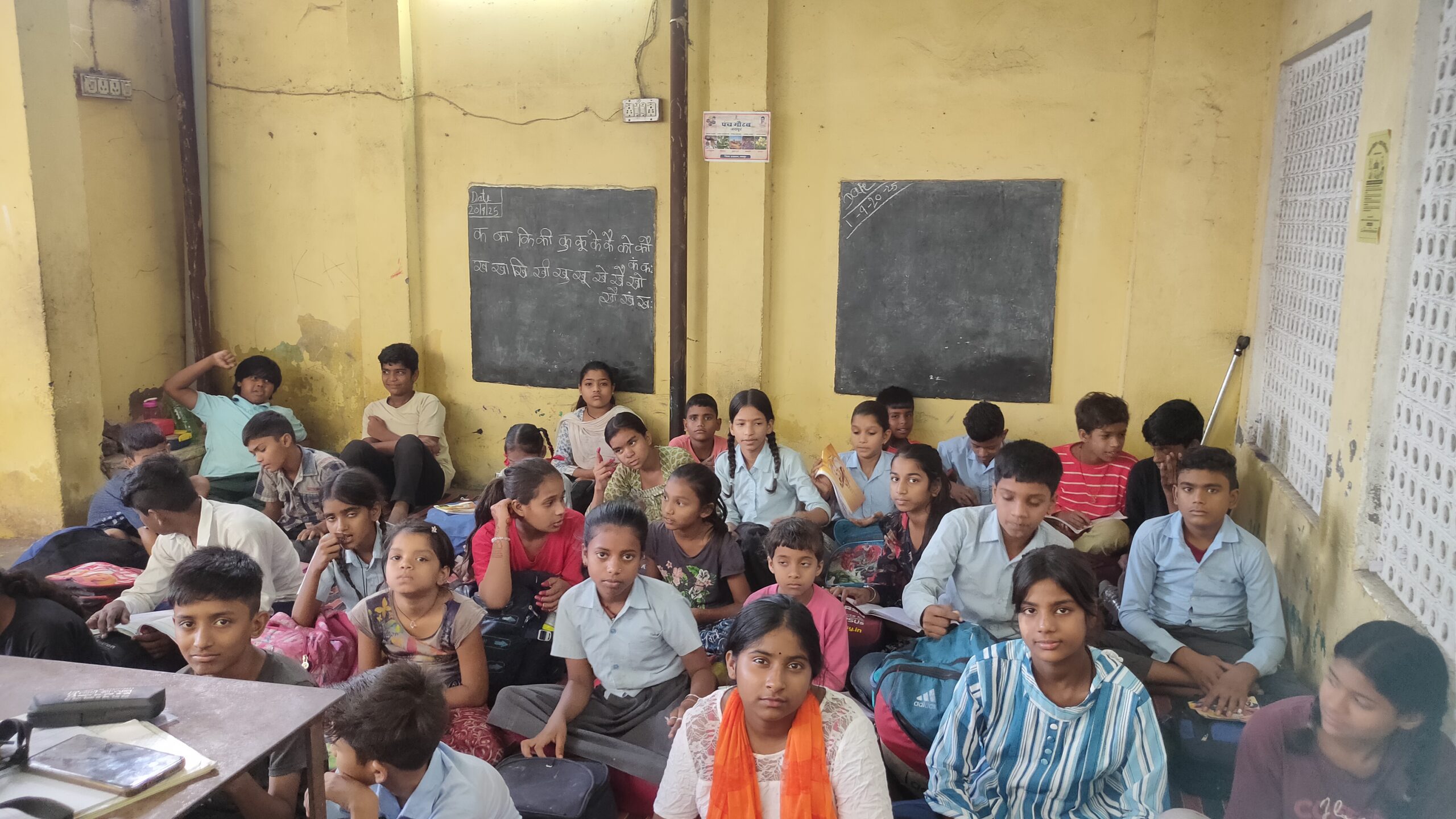
The school in Katputli Nagar has around 161 children from classes 1 to 8 studying together in a shared space consisting of one large room, a corridor, and an open shed. During summers, school hours are restricted till 11 a.m., and on extreme heat days, holidays are declared. For most children, however, the school remains the only space offering relative cooling in contrast to the tightly packed, heat-prone homes. During summer vacations, with parents away for work (6 a.m. to 6 p.m.), children often remain indoors with limited respite from heat.
Visit to Katputli Nagar:
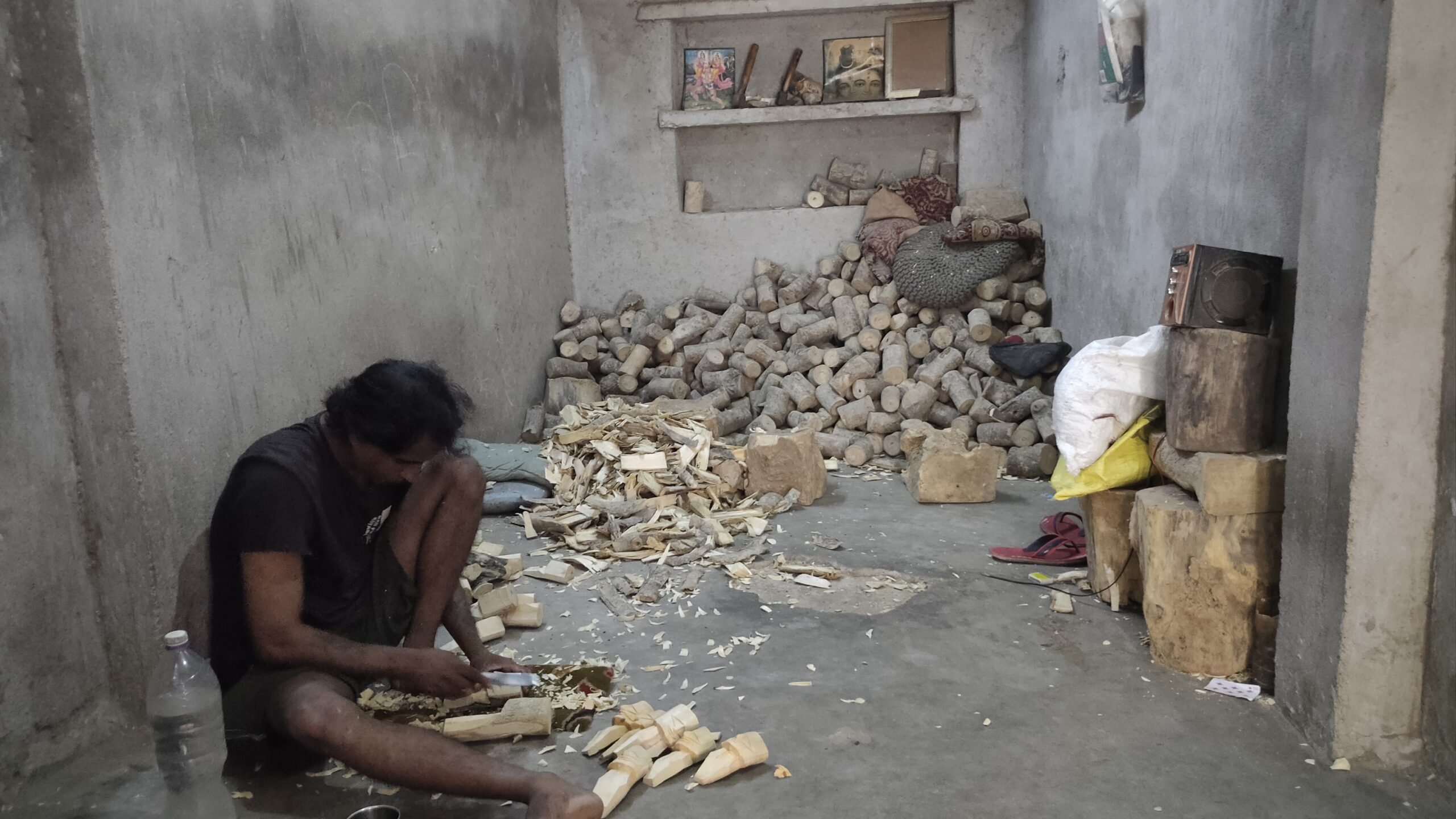
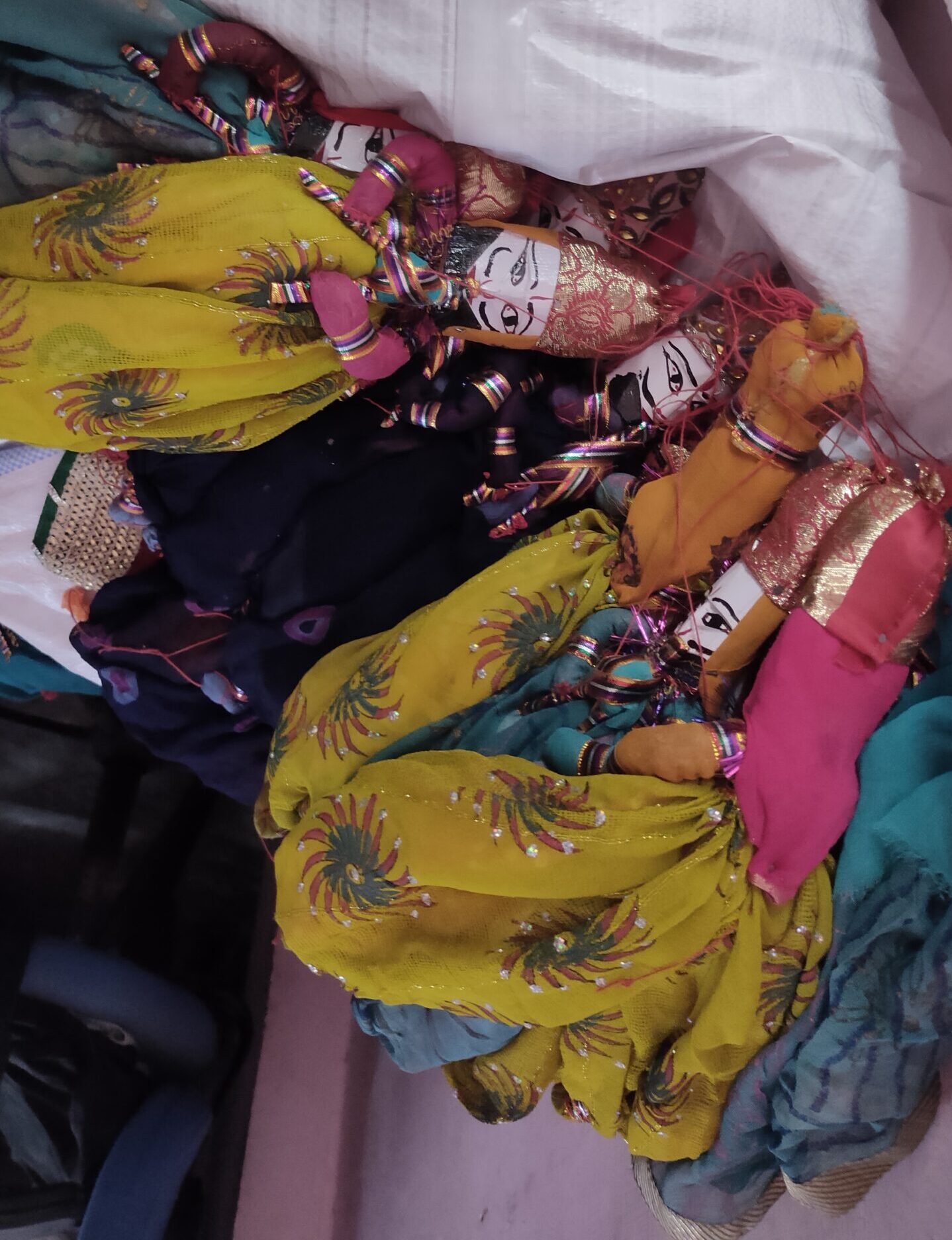
Katputli Nagar is one of the most densely populated and socio-economically vulnerable areas, with around 5,000–6,000 residents. Traditionally known for its katputli (puppet-making and performing) art, the number of households still practicing it has reduced to fewer than 100. Houses are closely packed, built slightly elevated to avoid drainage issues, with mostly concrete roofs—some extending with tin or concrete sheds for shade.
Visit to Madari Community:
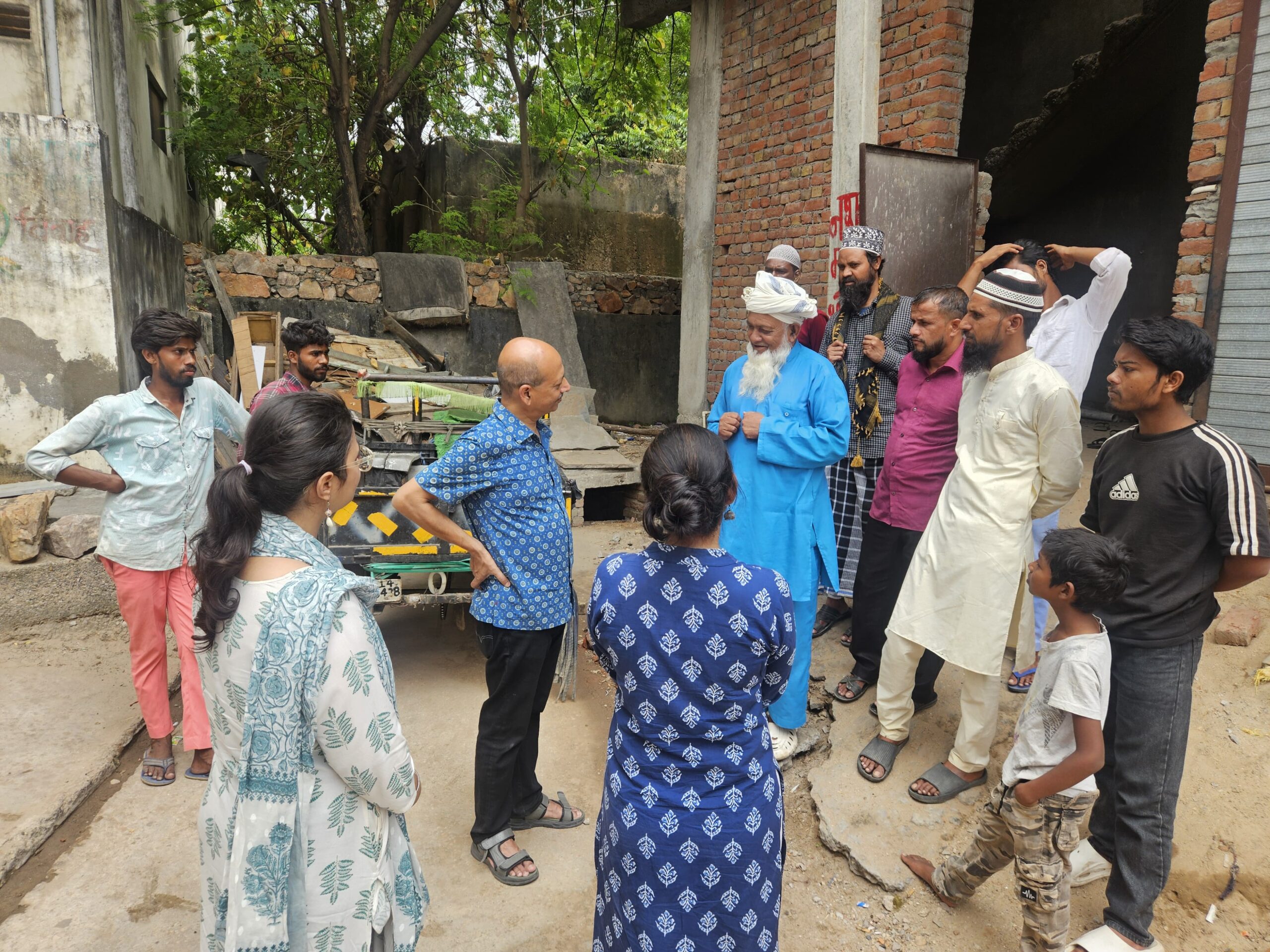
The team also visited the Madari community, originally from Bikaner and nearby rural areas. Earlier, the community earned its livelihood through animal performances and magic shows across Rajasthan. With stricter animal protection regulations, they have now settled permanently. The settlement showed mixed housing conditions—some houses fully concretized, others semi-open or multi-storeyed.

Visit to MRHRU & CHC, Bhanupur Kalan:
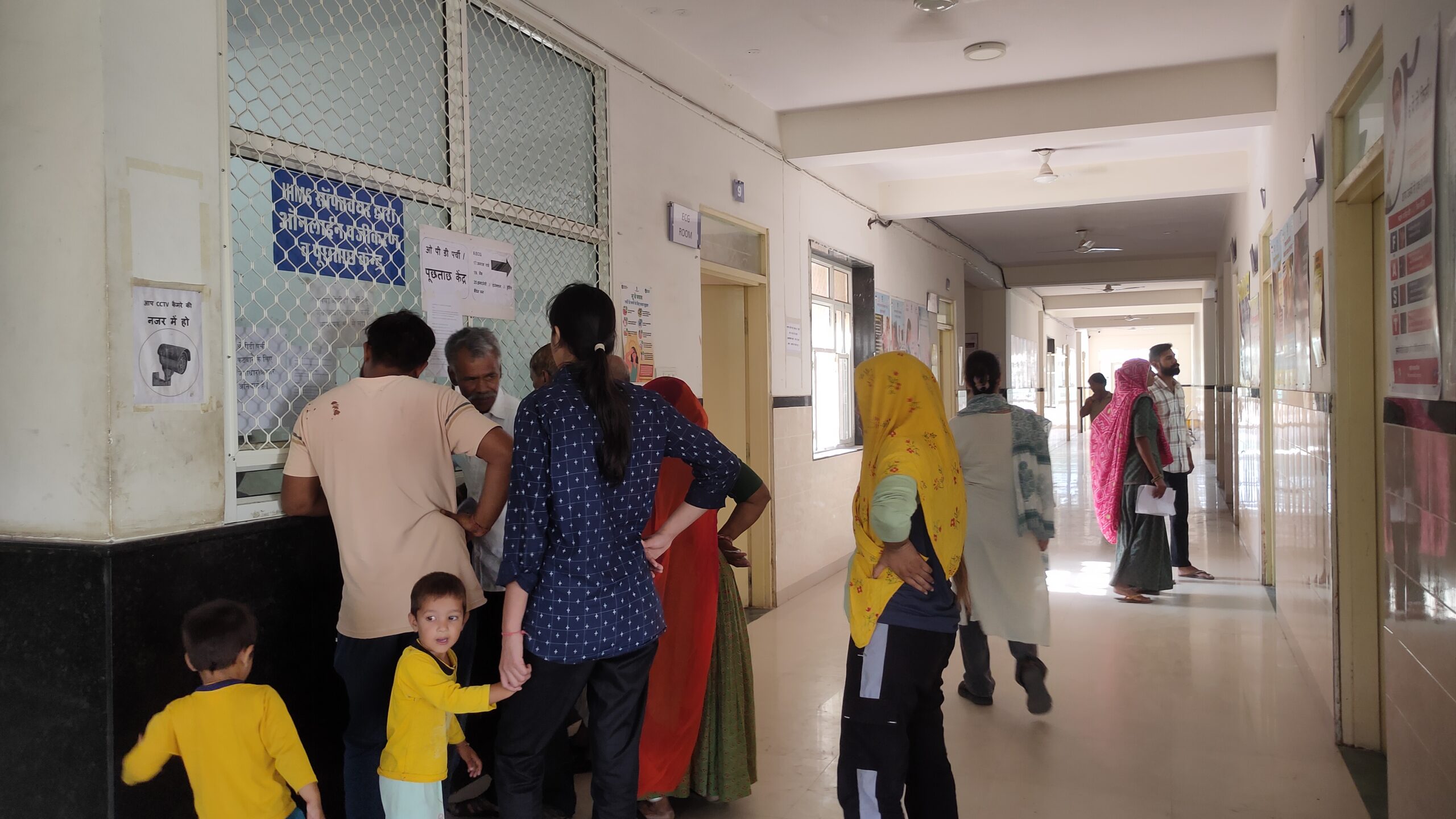
The team visited the Model Rural Health Research Unit (MRHRU), Jaipur, under ICMR-NIIRNCD, Jodhpur, and the adjoining Community Health Centre (CHC). During the visit (around 9:30–10:00 a.m.), the CHC was bustling with patients, including elderly individuals, children, and women. The OPD, pharmacy, and gynecology department were fully occupied, and all general ward beds were in use, with several patients on IV drips.
IEC posters on heatwave protection—developed under NPCCHH, NHM Rajasthan, and co-created with UNICEF—were displayed across the premises. However, the posters were largely text-heavy and placed in less accessible areas for the general public.

Photos were taken with permission.
Related Post
Field Investigator Training on Physiological and Meteorological Measurement devices and tools in Bhubaneswar
A full-day classroom training was held on 26th April 2026 in Bhubaneswar, Odisha, for Field Investigators to aid them with technical knowledge and practical skills in physiological measurement, meteorological monitoring, and survey administration. The first session focused on how to use devices for measuring the physiological parameters, such as blood pressure monitors, heart rate monitors, […]
Heat, Thunderstorms and Pakhala: Commendable work by our Field Teams
The project team has been implementing cool-roofs as an intervention as an experiment with treatment households having their roofs painted with white reflective paint, and a control group which does not receive this intervention. Measurements of indoor and outdoor temperature and humidity, and physiological parameters are being done for both groups. Our field teams are […]
Kudos to all households, communities and our field workers for being with us.
Meeta Mehra and Purnamita Dasgupta made a quality assurance visit to four field sites in Bhubaneswar. They interacted extensively with household members who are participating in the research study, including members from households that are part of the control group and from households participating in the cool-roof intervention. They inspected on-site cool-roof painting being done […]
Bhubaneswar Field Visit and Pilot on Meteorological and Physiological Measurements
The project team visited Isaneswar Basti in Bhubaneswar, Odisha to pilot the pre-intervention survey tools and use the devices for meteorological and physiological measurements on ground. During the visit, indoor and outdoor temperature and humidity readings were recorded, along with physiological measurements such as blood pressure, heart rate, and surface body temperature of family members […]