
Where is heat on my priority list?
 Girika Sharma
The intensity and severity of heatwaves in India and across the globe have been steadily rising. Some desert regions in India are now experiencing extreme temperatures—reaching as high as 52°C. What once felt exceptional is now becoming the norm. Every summer, the front pages of newspapers have startling headlines on how heat has broken a new record, TV anchors warn people not to step outside in the afternoon, while energy drink advertisements flood our personal electronic screens.
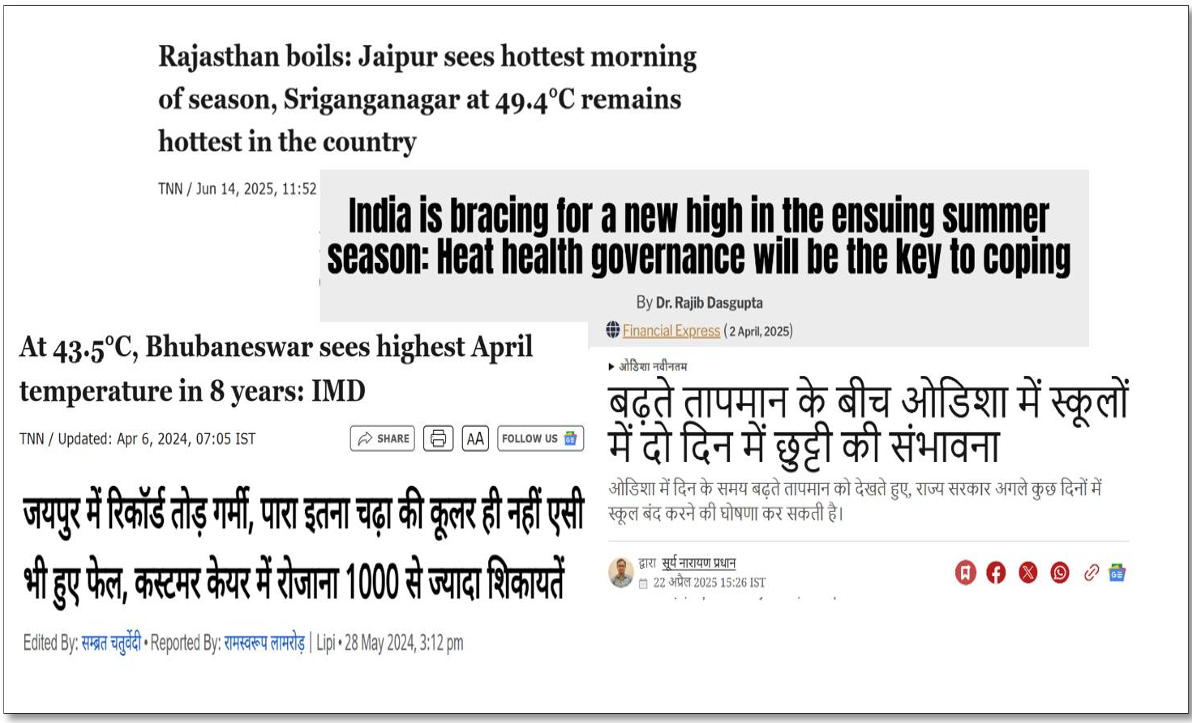
We hear about various heat-related advisories about what to do and what not to do. But the real question is: Where does heat sit in people’s list of priorities? Can everyone afford to stay indoors during peak heat hours? Can they avoid outdoor work or choose not to cook in front of a wood-fired stove? Can everyone afford to have energy drinks? During our field visits to low income settlements in Jodhpur, Rajasthan—a desert region known for its dry heat—we asked residents about how rising temperatures were affecting their lives and what was their perception about increasing heat. Their responses were revealing: “We have bigger problems to worrabout.”; “We’re used to the heat, we have no option.”; “We don’t even have electricity”; “Ourhomes get flooded in the rainy season”; “We don’t have enough to eat or enough money to send our children to school” In Bhubaneswar, the same questions elicit different responses –“heat makes me feel fatigued,” “heat is exhausting” and “we get heatwave warnings” is oft accompanied by “but, I don’t seek treatment for it”, “there isn’t much to do about it”, or “home remedies are the only things to do”.
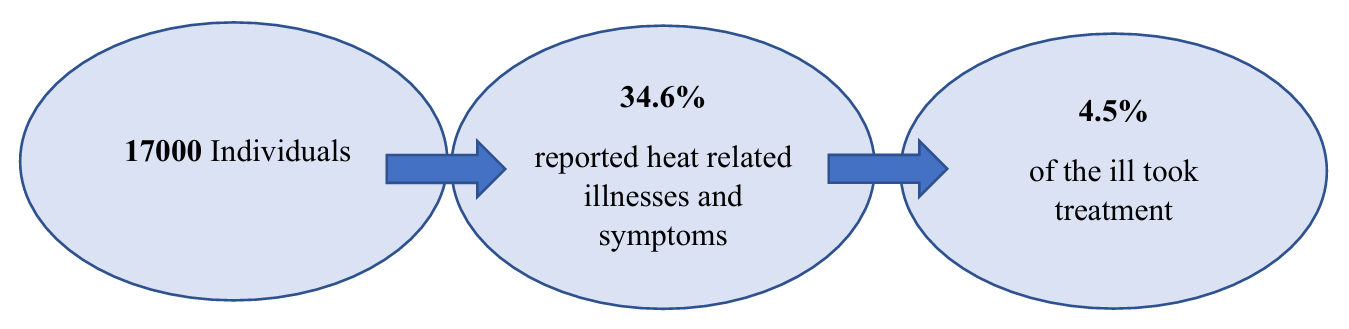
It became abundantly evident, that for many heat is not a concern to be denied, not is it one to be prioritised. Extreme heat while being recognised as causing discomfort, is a part of normal life, to be indeed “normalised”, and coping with heat doesn’t really make it to the top of the to do list. in a list of things to do. No doubt the list of vulnerabilities can appear overwhelming and play a significant role which contributes to normalization of heat. Nonetheless, there is a
lot to build upon – the presence of some level of awareness of heat related illnesses, , using home remedies to cope, and knowledge of heat warnings. In particular, it is a shout-out to the need for planned interventions that don’t rely solely on individual action among the most vulnerable. Solutions beyond those that are perceived to place the burden of adaptation on the very people who are least equipped to carry it are important – for instance, public health interventions at the community door-step, at the pharmacy, the local community centre, a trained local health worker, cool water in schools. Co-creating solutions with communities, that account for place-specific heat vulnerabilities, will account for the lived realities of people in developing acceptable and effective solutions. We can achieve so much by mixing innovative approaches with traditional practises.
For more information, check:https://chhanw.com/;https://www.linkedin.com/company/chhanw/?lipi=urn%3Ali%3Apage%3Ad_flagship3_profi le_view_base%3B9gQvJXHHT2e1fZtYW5yV%2Bw%3D%3D
Girika Sharma
Related Post

I am not stronger than heat: Heat-Health Risks Call for Urgent Action from Employers
Summers are getting hotter, and for outdoor workers, the heat isn’t just uncomfortable — it can be dangerous. During my visit to a low-income setting in Jaipur, I met Kishore Kumar (name changed), a 42-year-old construction labourer who learned the hard way how prolonged exposure to extreme heat can take a serious toll — not […]

Sustainable Cooling Matters
By Sandipta Rath, Anwesha Mishra, Sruti Mohapatra, Purnasha Pany CHHANW team, Institute of Economic Growth “Buying an AC was never a choice but a need. When my father collapsed due to sunstroke during work, we made the decision to prioritize his health even if it means we will be tied to monthly installments and high […]

To ORS or not to ORS?
Countries across the world have been facing increased temperature coupled with rising frequency and intensity of heat waves. Heat is often associated with an array of physiological impacts including heatstroke, dizziness, dehydration and in severe cases, even death. Among these, dehydration has been associated with all age groups with higher vulnerability among infants, younger children […]