

Anussha Murali, a Senior Research Analyst at the Institute for Economic Growth (IEG), attended a two-day workshop on Qualitative Research Methodology organised by NIHFW in collaboration with INCLEN Trust. The workshop provided training on qualitative research design and data collection, such as:
Understanding Qualitative Research Philosophies and Frameworks: The workshop explored various philosophical underpinnings of qualitative research and introduced frameworks like phenomenology, narrative analysis, and grounded theory.
Designing Qualitative Studies: Participants learned about designing in-depth interviews and focus group discussions, including developing interview guides, sampling strategies, and ethical considerations.
Data Collection and Management: The training emphasised the importance of rigorous data collection techniques, such as field notes, audio recording, and transcription. Participants also learned about data organization, storage, and management strategies.
Data Analysis and Interpretation: The workshop covered qualitative data analysis techniques, including thematic analysis, narrative analysis, and discourse analysis. Participants were introduced to software tools for qualitative data analysis.
Quality Assurance and Ethical Considerations: The training highlighted the importance of ensuring data quality and reliability through measures like inter-rater reliability, triangulation, and member checking. Ethical guidelines for qualitative research were also discussed.
By attending this workshop, Anussha gained valuable insights that will enhance the quality and rigour of qualitative research conducted for the CHHANW project
Related Post

Training Workshop on Impact Evaluation of Development Programs
Girika Sharma, a senior research analyst at the Institute of Economic Growth (IEG), attended a training workshop on Impact Evaluation of Development Programs held during 22-24 October 2024. The workshop focused on key methodologies and techniques for impact evaluation in development programs. Day 1 began with an introduction to impact evaluation, including when and why […]
Bhubaneswar Municipal Corporation Prioritises Heat Adaptation with Support for Project CHHANW
Bhubaneswar Municipal Corporation (BMC) (30 October, 2024)
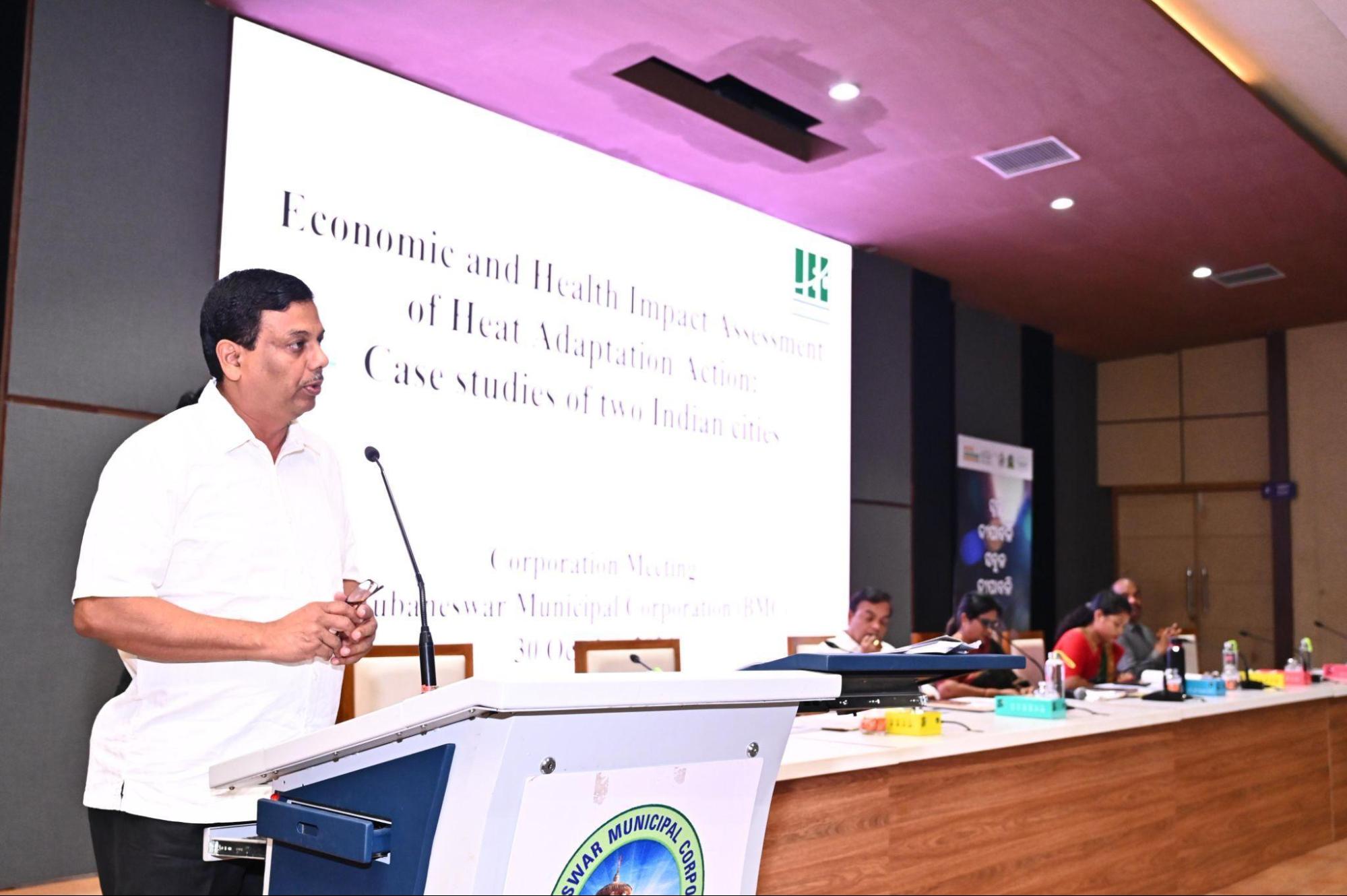
On October 30, 2024, Bhubaneswar Municipal Corporation (BMC), a primary stakeholder of the study project, hosted a high-level stakeholder presentation in the Corporation meeting for the project “Economic and Health Impact Assessment of the Heat Adaptation Action- Case Studies from India” led by the Institute of Economic Growth (IEG), based on an earlier presentation for the BMC officials organised on 15th October.
The stakeholder presentation covered the five-year study project, focusing on Bhubaneswar’s low-income settlements, targeting vulnerable groups, including school children, the elderly, and the outdoor workers, aiming to understand the health and livelihood impacts of extreme heat & heat waves. Key highlights included the introduction of potential interventions, such as mobile apps for heat advisories, adaptation kits, and infrastructure improvements like cool roofs etc. BMC officials provided strategic input, advising on community engagement and operational planning to facilitate effective data collection and intervention implementation across designated low-income areas. This project promises to deliver actionable insights for enhancing Bhubaneswar’s Heat Action Plan (HAP) and strengthening the resilience of its most affected communities.
Following the presentation, BMC signed a letter of intent with IEG to organise a baseline study as the initial phase of the project. This study will assess current conditions in target areas and pave the way future interventions.
During the event, Dr. Arabinda Mishra Chairman, Development and Environment Futures Trust (DEFT) & Co-PI, along with Dr Willium Joe, Co-PI, IEG provided an in-depth overview, outlining the project’s goals, methodologies, and anticipated outcomes. Dignitaries such as the Hon’ble Mayor Ms. Sulochana Das, Deputy Mayor Ms. Manjulata Kanhar, Hon’ble MLA Mr. Susant Kumar Rout (Bhubaneswar North), 67 Ward Corporators,representative of MP Bhubaneswar, MLAs (Bhubaneswar Central & Ekamra), BMC’s high-level officials and all other officials were present underscoring BMC’s commitment to this critical public health initiative.
Related Post
India is bracing for a new high in the ensuing summer season: Heat health governance will be the key to coping
India is bracing for a new high in the ensuing summer season: Heat health governance will be the key to coping,” Dr. Rajib Dasgupta discusses the increasing challenges posed by rising temperatures and heatwaves in India. He highlights that the Indian Meteorological Department has forecasted above-normal temperatures, particularly in central and eastern states like Odisha, […]

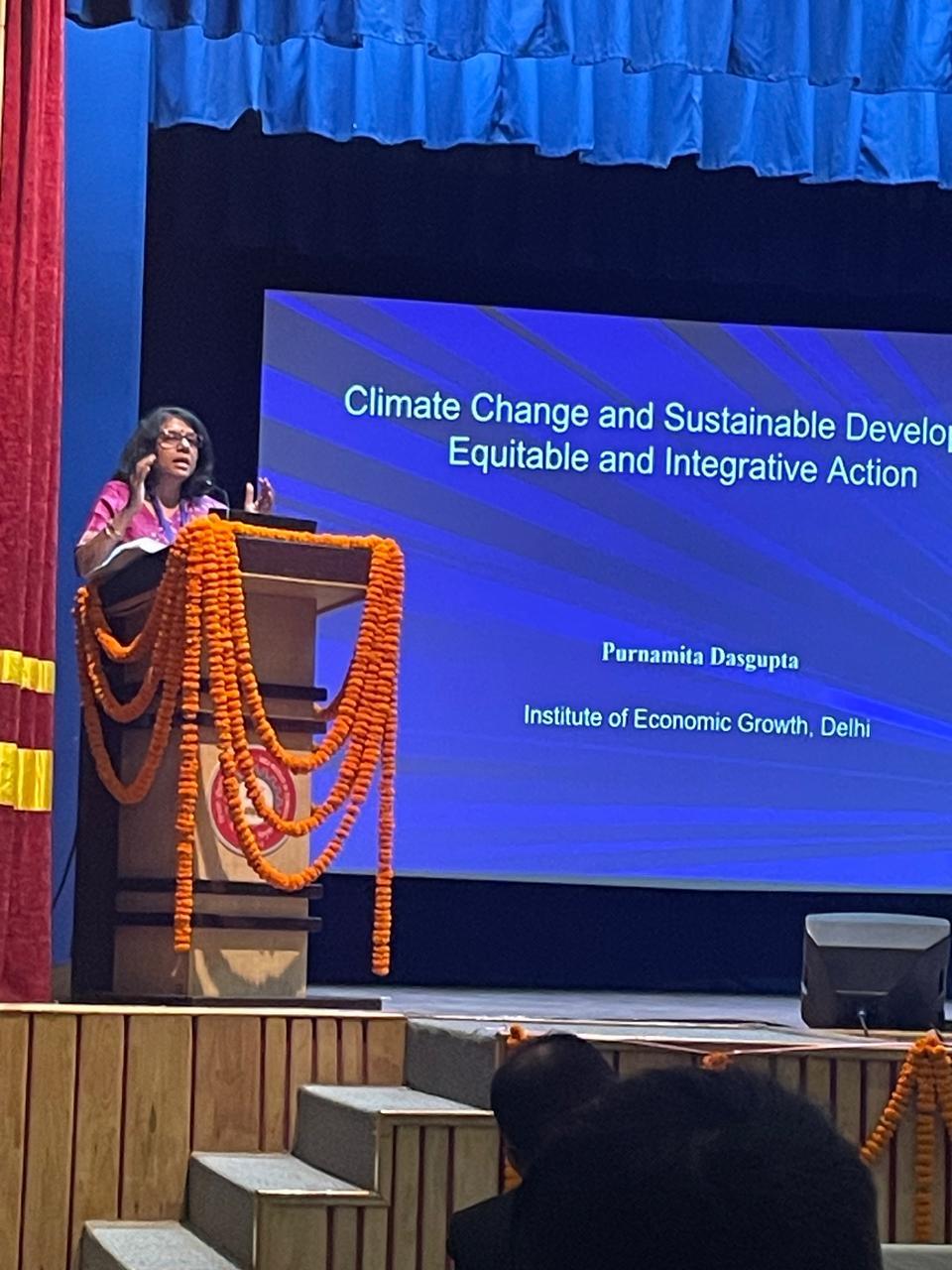
Prof. Purnamita Dasgupta from the Institute of Economic Growth delivered a keynote address on the intricate relationship between climate change and sustainable development titled “Climate Change and Sustainable Development – Equitable and Integrative Action” at the 23rd IASSI Annual Conference held at BIT Mesra, Ranchi, from October 25th to 27th, 2024.
Prof. Dasgupta emphasised the crucial role of economics in understanding and shaping climate-friendly policies. However, she also highlighted the multifaceted nature of development, which extends beyond economic considerations. The persistence of historical challenges, coupled with contemporary risks, necessitates a comprehensive approach to address the evolving threats to sustainability.
The keynote address delved into the significant impacts of climate change on developing countries, both physically and socio-economically. Prof. Dasgupta introduced the concepts of adaptation and mitigation, providing real-world examples to illustrate their implementation. A key focus of the address was the transition to a net-zero carbon economy. Prof. Dasgupta discussed carbon pricing mechanisms like the Carbon Border Adjustment Mechanism (CBAM), carbon taxes, and carbon trading as potential tools to incentivise emissions reductions. However, she also acknowledged the challenges of fair implementation and revenue generation associated with these mechanisms.
To achieve a harmonious balance between climate change and development, Prof. Dasgupta advocated for a holistic approach that integrates economic, social, and environmental dimensions. She emphasised the importance of equity and justice as guiding principles in climate and development initiatives.
In conclusion, the keynote address provided a comprehensive overview of the challenges and opportunities at the intersection of climate change and development. It underscored the need for innovative and equitable solutions to address both the immediate impacts of climate change and the long-term goal of sustainable development.
Related Post
India is bracing for a new high in the ensuing summer season: Heat health governance will be the key to coping
India is bracing for a new high in the ensuing summer season: Heat health governance will be the key to coping,” Dr. Rajib Dasgupta discusses the increasing challenges posed by rising temperatures and heatwaves in India. He highlights that the Indian Meteorological Department has forecasted above-normal temperatures, particularly in central and eastern states like Odisha, […]

Heatstroke economy: the rising cost of extreme heat
Extreme heat is no longer a future threat. It's here - and it’s costing us. From hospitals pushed to the brink, to cities built for a cooler planet, the toll is mounting on our bodies, our livelihoods and the systems meant to keep us safe.

Extreme heat’s hidden health and economic toll
Heat waves are deadly. As they grow more intense and frequent, their toll is mounting, from overwhelmed hospitals to lost labor hours. But countries can adapt to protect lives and the economy.
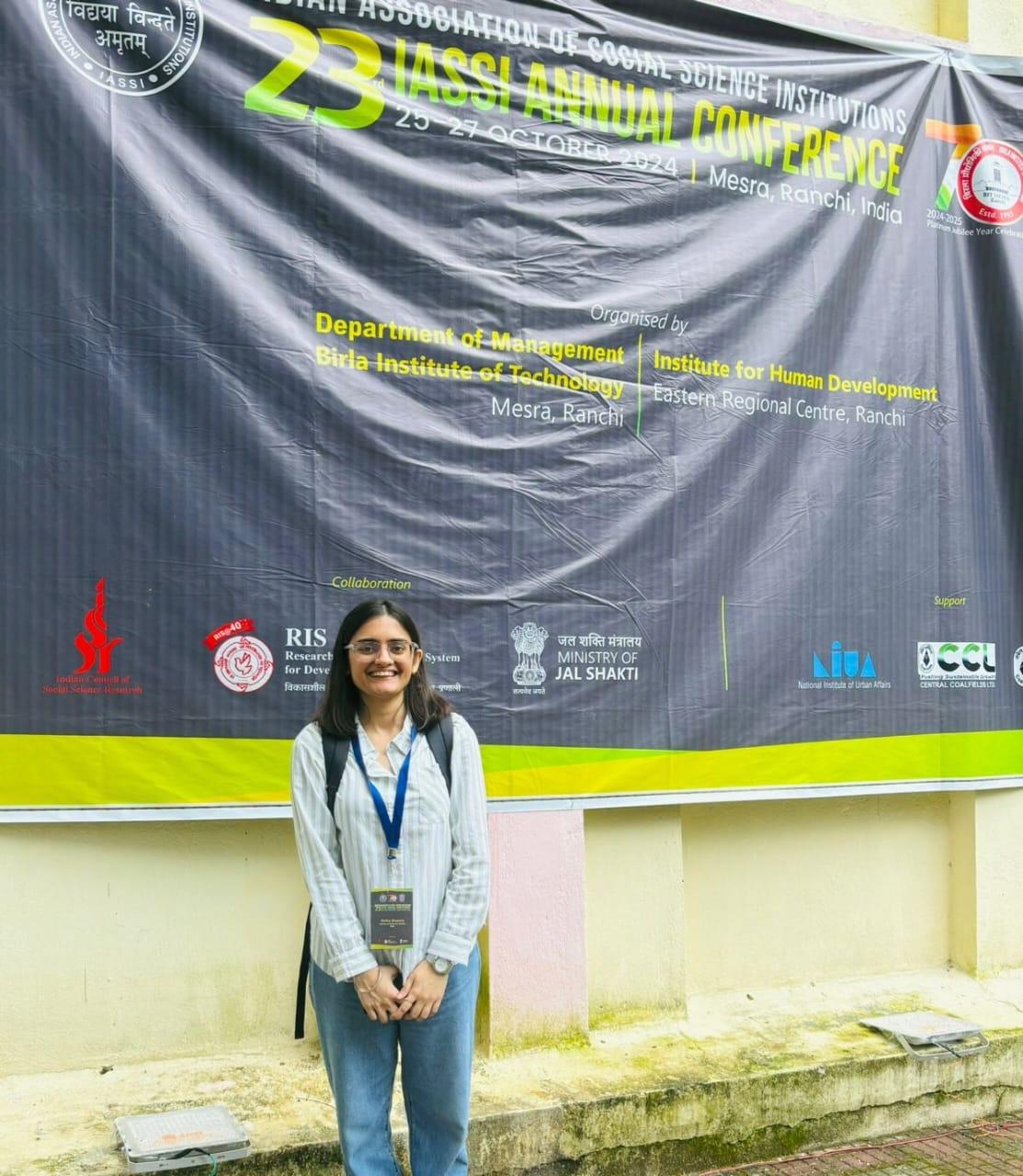
Girika Sharma, a Senior Research Analyst at IEG, presented a paper titled “Climatic Vulnerability and Health Risks: An All-India Analysis” at the 23rd IASSI Annual Conference held at BIT Mesra, Ranchi, from October 25th to 27th, 2024.
The paper, co-authored by Purnamita Dasgupta, Madhura Chowdhari, Gudakesh, William Joe, and Girika Sharma, delved into how climatic vulnerability influences health risks and wellbeing across India. The study focuses on Sustainable Development Goal (SDG) 3—Good Health and Wellbeing and SDG 2- Zero Hunger, and investigates the challenges posed by climate vulnerability to achieving SDG targets related to health.
Using nationally representative datasets, A district-level econometric analysis (575 districts) is done using climate vulnerability data (CRIDA, 2019) and health data from NFHS-5. By examining the relationship between climate vulnerability and health indicators, the study seeks to shed light on how vulnerability to climate change correlates with health disparities,thus informing targeted health interventions and policy decisions tailored to regions most atrisk. high-vulnerability districts consistently underperform in all SDG health outcomescompared to low-vulnerability districts. Notably, these results remain robust even whencontrolling for other identifiable factors. This emphasises the necessity of accounting forclimatic vulnerability when assessing SDG health indicators, as it plays a critical role indetermining the overall effectiveness of health-related development efforts.
The Conference provided valuable insights into the pressing issues of climate change, sustainable development, and inclusive growth. The sessions on governance, climate change, technological transformation, and social protection also highlighted key challenges and strategies for India’s development.
Related Post
Addressing Heat-Health Risks: Chhanw Team’s Key Contributions at the 69th IPHA Conference
The 69th Annual Conference of the Indian Public Health Association was held at the Jawaharlal Nehru Medical College, KLE Academy of Higher Education and Research in Belagavi, Karnataka from 21 to 23 March 2025. The theme of the conference was Transforming Public Health in India: Innovations, Challenges, Diplomacy and Future Horizons. The Chhanw team of […]
Paper Presentation – DAAD-sponsored International Conference entitled “Climate Change: A Socio-geological Perspective” organised by The School of Liberal Arts, Indian Institute of Technology Jodhpur
Shivangi Shankar and Girika Sharma made a presentation titled “How Heat Affects HerHealth: Exploring the Impact of Increasing Temperatures on Women’s Health,” at the DAAD-sponsored International Conference entitled “Climate Change: A Socio-geological Perspective,” organised by The School of Liberal Arts, Indian Institute of Technology Jodhpur, with their presentation delivered virtually. The conference was held on […]
Paper Presentation – Second Annual Conference on Public Finance and Policy at Madras School of Economics, Chennai
Purnamita Dasgupta and Girika Sharma presented a paper titled ” Climate Finance for Adaptation and Sustainable Development in India,” co-authored by both, at the 2nd Annual Conference on Public Finance and Policy held at Madras School of Economics, Chennai, with their presentation delivered virtually. The conference was held on March 7 and 8, 2024. The […]
Girika Sharma, a senior research analyst at the Institute of Economic Growth (IEG), attended a training workshop on Impact Evaluation of Development Programs held during 22-24 October 2024. The workshop focused on key methodologies and techniques for impact evaluation in development programs. Day 1 began with an introduction to impact evaluation, including when and why it is necessary. Key topics included understanding selection bias, random assignment, and randomised controlled trials (RCTs). Participants learned how well-designed evaluations contribute to policy and program effectiveness, followed by a hands-on exercise to design RCTs.
On Day 2, the focus shifted to practical applications, including randomised evaluations in public health programs and the challenges of survey design. The use of Propensity Score Matching (PSM) was discussed to control for confounding variables, alongside other non-randomised methods like Differences-in-Differences (DID) and Regression Discontinuity Design (RDD). A group exercise on selecting appropriate evaluation designs followed.
Day 3 covered mixed-methods approaches, integrating qualitative and quantitative data, and using software tools for analysis. Participants engaged in stakeholder mapping and policy influence planning, followed by a final quiz and certificate distribution.
Related Post
Workshop on Qualitative Research Methodology
Anussha Murali, a Senior Research Analyst at the Institute for Economic Growth (IEG), attended a two-day workshop on Qualitative Research Methodology organised by NIHFW in collaboration with INCLEN Trust. The workshop provided training on qualitative research design and data collection, such as: Understanding Qualitative Research Philosophies and Frameworks: The workshop explored various philosophical underpinnings of […]
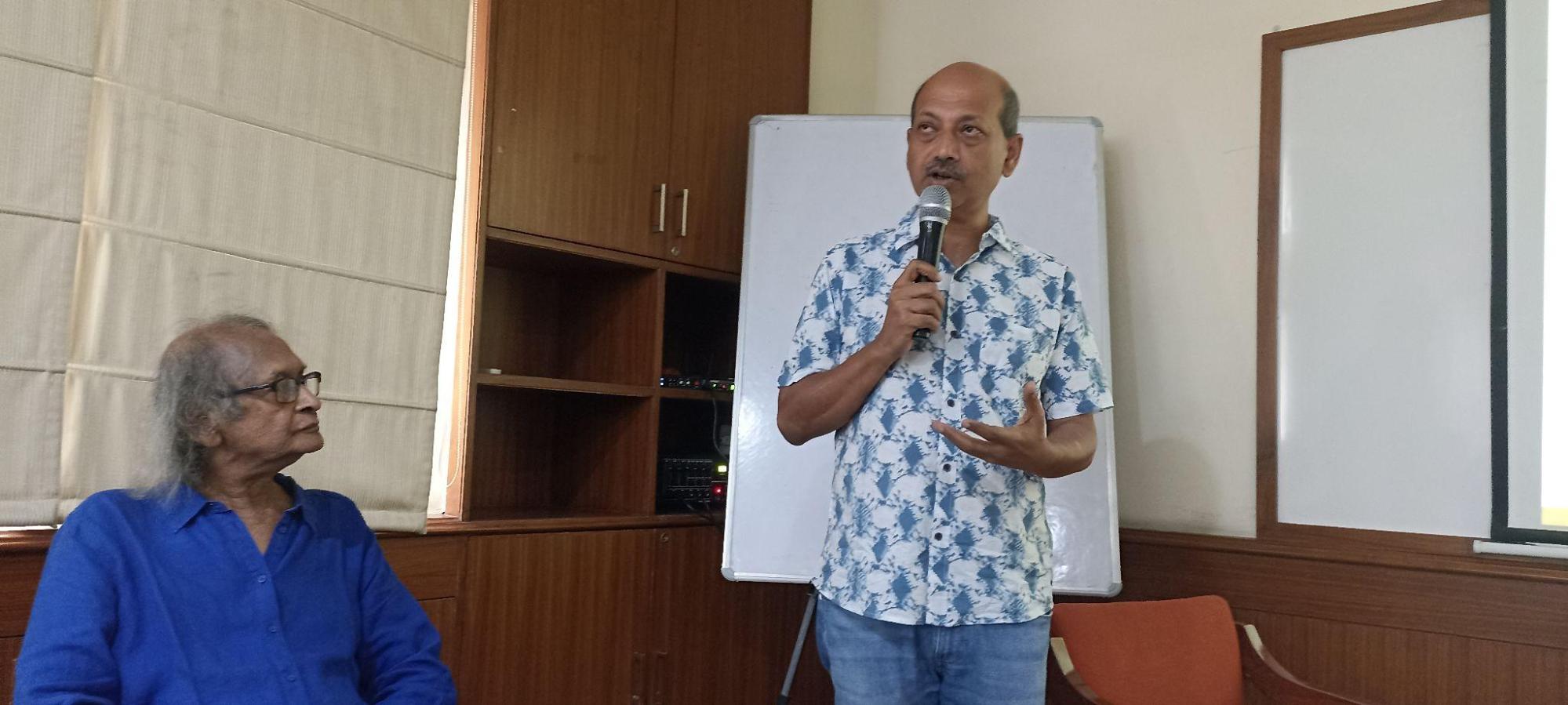
Professor Rajib Dasgupta, a co-principal investigator on project CHHANW, presented a talk titled “Heat Action Plans in a Warming India: Shifting the Gaze to Community-centred Approaches” at the Workshop on Science and Technology: Agenda for Self-reliant India organised by Delhi Science Forum on 31 August 2024 at Indian Social Institute, New Delhi. Other contributors to the work included Dr Purnamita Dasgupta, Anussha Murali and Girika Sharma.
The core elements of Heat Action Plans (HAPs) were reviewed under the themes of: agreement on a lead body; accurate and timely alert systems; heat-related health information plan; reduction in indoor heat exposure; particular care for vulnerable population groups; preparedness of the health and social care system; long-term urban planning and real-time surveillance and evaluation. Gaps and opportunities were deliberated upon: policy disconnect; inadequate coverage and implementation; lack of actionable guidelines addressing climate and social vulnerabilities; adaptation and mitigation challenges; absence of local contextualisation; human health; and, financing and governance challenges. The discussion among the participants pointed to the need to move beyond awareness generation to examining risk perception and availability and access to resources as well as a need to develop action plans with communities to ensure suitability, acceptance and ownership – specific to hotspots and vulnerable groups.
Related Post
Heatstroke economy: the rising cost of extreme heat
Extreme heat is no longer a future threat. It's here - and it’s costing us. From hospitals pushed to the brink, to cities built for a cooler planet, the toll is mounting on our bodies, our livelihoods and the systems meant to keep us safe.
Extreme heat’s hidden health and economic toll
Heat waves are deadly. As they grow more intense and frequent, their toll is mounting, from overwhelmed hospitals to lost labor hours. But countries can adapt to protect lives and the economy.

Heat health risks need to be understood as a slow, protracted disaster
Prof. Rajib Dasgupta, in his latest op-ed for the Indian Express, highlights the Heat stress is the leading cause of weather-related deaths and can aggravate underlying morbidities.
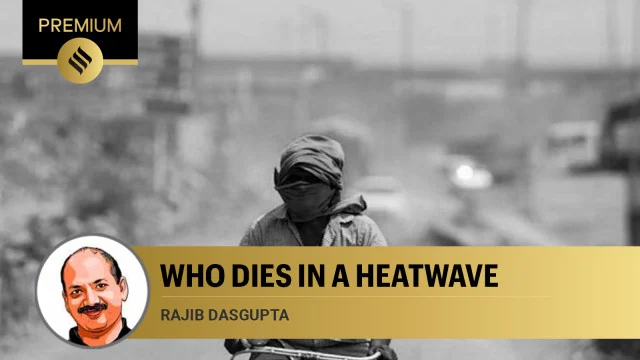
In theory, heat-related deaths and illnesses are preventable, albeit with specific policies and interventions. The individuals who died in Noida included a ragpicker, a manual labourer and a security guard — and they were migrants
Heat is both an environmental and occupational health hazard. The National Programme on Climate Change and Human Health (NPCC-HH) under the Ministry of Health and Family Welfare reported 46 heat-related deaths and over 19,000 cases of suspected heat stroke across the country in May 2024. The two key statistics that make heat-related news are maximum temperature and deaths.
Defining the deaths
This newspaper reported on June 18, “Noida: Amid heat wave, 7 people found dead with no injury marks”. According to the police spokesperson, the causes of death would be subject to the post-mortem reports but were tentatively presumed to be on account of the prevailing heat wave conditions. The National Heat-Related Illness (HRI) and Death Surveillance under the NPCC-HH defines “heat-related death” as a death in which exposure to high ambient temperature either caused the death or significantly contributed to it.
Related Post

Heat has health consequences, and economic ones too
The Government of India has consistently reiterated its global climate commitments. As the world heats up, heat health is increasingly occupying centre stage during the summer months. The Global Heat Health Information Network cautions that heat is a serious human health concern and that the number of people exposed to extreme heat is growing exponentially due to climate change […]

The long night of India’s heatwave
From poor sleep to higher mortality chances, rising nighttime heat is reshaping the country’s climate emergency. Heat waves occur in India from March to June or July, and warnings are typically based only on the maximum surface air temperature (daytime). Daytime-only heatwaves (DHW) are increasingly turning into nighttime-only (NHW) and day-night compound heatwaves (CHW), and […]

In a heatwave, how do we protect our most vulnerable?
In theory, all or most heat-related deaths and illnesses are preventable while in practice, gauging the public health impact of extreme temperatures is difficult 2023 was the world’s warmest year on record and it has been 47 years since the Earth has had a colder-than-average year. According to the India Meteorological Department (IMD), 2023 was […]

Tracking ‘heat health’ in summer of heat wave
India needs to adopt a decentralised model to deal with extreme events, drawing on planning and communitisation models enshrined in the National Health Mission The political heat that the ongoing Lok Sabha polls have generated aside, the effect of the impending weeks of summer on the campaign and the actual polling process is part of […]
Tracking ‘heat health’ in summer of heat wave
Hindustan Times (29 April, 2024)
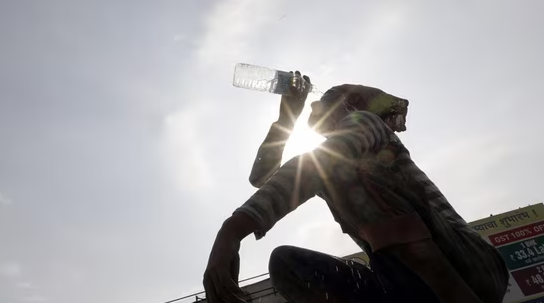
India needs to adopt a decentralised model to deal with extreme events, drawing on planning and communitisation models enshrined in the National Health Mission
The political heat that the ongoing Lok Sabha polls have generated aside, the effect of the impending weeks of summer on the campaign and the actual polling process is part of the current discussion. Union minister Nitin Gadkari fainted during an election rally in Maharashtra’s Yavatmal district on April 24 but recovered soon. On Sunday, the India Meteorological Department (IMD) said a severe heatwave has swept over east and south peninsular India and will continue for the next five days, spiking temperatures in Gangetic West Bengal, Odisha and Bihar, parts of Jharkhand, pockets of Rayalaseema, interior Karnataka, and Telangana.
Related Post
Who dies in a heat wave? High temperatures don’t affect everyone equally
In theory, heat-related deaths and illnesses are preventable, albeit with specific policies and interventions. The individuals who died in Noida included a ragpicker, a manual labourer and a security guard — and they were migrants Heat is both an environmental and occupational health hazard. The National Programme on Climate Change and Human Health (NPCC-HH) under […]
Heat has health consequences, and economic ones too
The Government of India has consistently reiterated its global climate commitments. As the world heats up, heat health is increasingly occupying centre stage during the summer months. The Global Heat Health Information Network cautions that heat is a serious human health concern and that the number of people exposed to extreme heat is growing exponentially due to climate change […]
In a heatwave, how do we protect our most vulnerable?
In theory, all or most heat-related deaths and illnesses are preventable while in practice, gauging the public health impact of extreme temperatures is difficult 2023 was the world’s warmest year on record and it has been 47 years since the Earth has had a colder-than-average year. According to the India Meteorological Department (IMD), 2023 was […]
The long night of India’s heatwave
From poor sleep to higher mortality chances, rising nighttime heat is reshaping the country’s climate emergency. Heat waves occur in India from March to June or July, and warnings are typically based only on the maximum surface air temperature (daytime). Daytime-only heatwaves (DHW) are increasingly turning into nighttime-only (NHW) and day-night compound heatwaves (CHW), and […]
In a heatwave, how do we protect our most vulnerable?
The Indian EXPRESS (11 April, 2024)
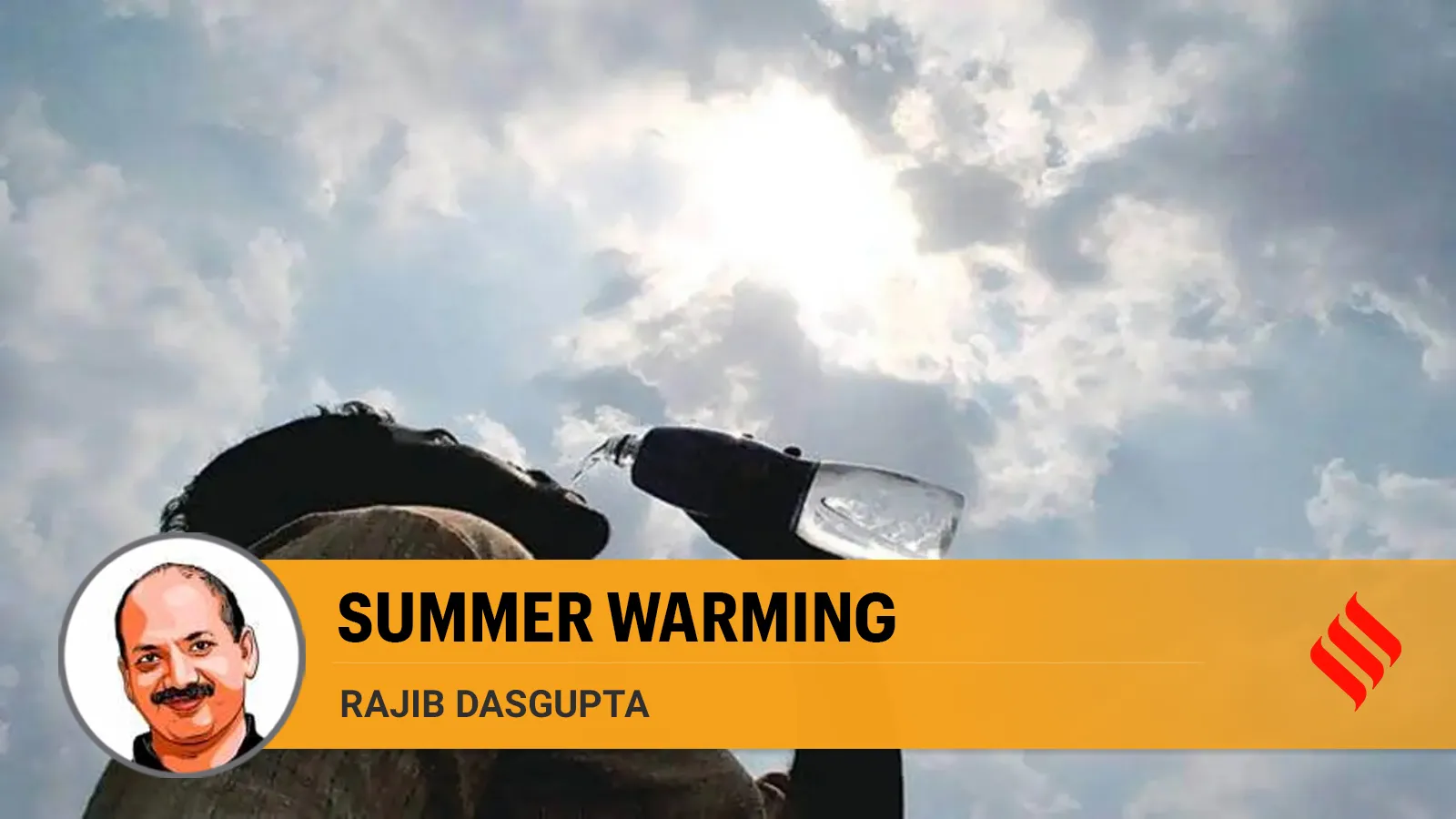
In theory, all or most heat-related deaths and illnesses are preventable while in practice, gauging the public health impact of extreme temperatures is difficult
2023 was the world’s warmest year on record and it has been 47 years since the Earth has had a colder-than-average year. According to the India Meteorological Department (IMD), 2023 was the second warmest year in India in 122 years — the warmest ever recorded was 2016. The IMD predicts that most of India is likely to experience both above-normal maximum and minimum temperatures in April, May, and June.
States or regions most prone to increased heatwaves include Gujarat, Maharashtra, North Karnataka, Rajasthan, Madhya Pradesh, North Chhattisgarh, Odisha, and Andhra Pradesh. A high of 45.2 degrees Celsius was reported from parts of Raichur district, Karnataka, on April 6, with seven people from different villages suffering mild heat strokes.
Related Post
Who dies in a heat wave? High temperatures don’t affect everyone equally
In theory, heat-related deaths and illnesses are preventable, albeit with specific policies and interventions. The individuals who died in Noida included a ragpicker, a manual labourer and a security guard — and they were migrants Heat is both an environmental and occupational health hazard. The National Programme on Climate Change and Human Health (NPCC-HH) under […]

In scorching summer, warmer nights are a public-health challenge
The changing weather pattern is an architectural and urban planning challenge. Building designs need to prioritise ventilation and energy efficiency, while public policy should nudge in dustry to devise cooling solutions for low-income households. Summers in most parts of India have usually been harsh. However, sunset would bring some relief. The evening breeze and lower […]
Tracking ‘heat health’ in summer of heat wave
India needs to adopt a decentralised model to deal with extreme events, drawing on planning and communitisation models enshrined in the National Health Mission The political heat that the ongoing Lok Sabha polls have generated aside, the effect of the impending weeks of summer on the campaign and the actual polling process is part of […]
The long night of India’s heatwave
From poor sleep to higher mortality chances, rising nighttime heat is reshaping the country’s climate emergency. Heat waves occur in India from March to June or July, and warnings are typically based only on the maximum surface air temperature (daytime). Daytime-only heatwaves (DHW) are increasingly turning into nighttime-only (NHW) and day-night compound heatwaves (CHW), and […]
Heat has health consequences, and economic ones too
FE Healthcare (4 April, 2024)
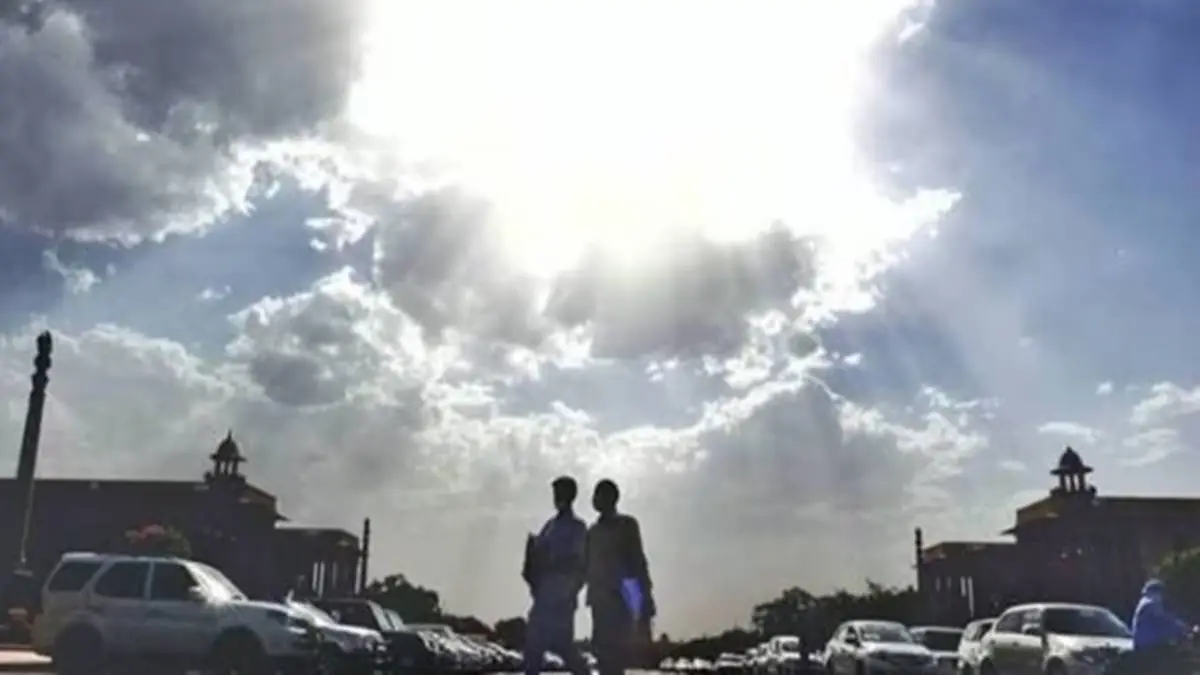
The Government of India has consistently reiterated its global climate commitments. As the world heats up, heat health is increasingly occupying centre stage during the summer months. The Global Heat Health Information Network cautions that heat is a serious human health concern and that the number of people exposed to extreme heat is growing exponentially due to climate change in all world regions, India being no exception.
The Union Health Minister along with the Minister of State and the technical leadership reviewed the public health preparedness for management of heat related illnesses. The Indian Meteorological Department (IMD) issued a general forecast earlier this week of more than average heat wave days during April to June. Large parts of the southern peninsula, central India, east India, and the northwestern plains were likely to experience above-normal temperatures.
The IMD considers heat wave if the departure from normal is 4.50C to 6.40C and a severe heat wave for departures above 6.40C. Based on Actual Maximum Temperature, heat wave condition is declared when it is 450C or above and severe heat wave when it is 470C or more. The criteria must be met in at least two stations in a Meteorological sub-division for at least two consecutive days and it declared on the second day.
Hot days and heatwaves lead to wide-ranging impacts, from mortality among human societies on account of heat-related illnesses to impacting infrastructure in the economy. Substantial work on heat related mortality in India, especially for urban areas has attracted much attention, and rightly so. It has led to a disaster-mode framing with National and State disaster management authorities playing key roles. State and city specific Heat Action Plans (HAPs) have been developed to reduce the health effects of extreme heat on vulnerable populations. The review meeting was informed that updated HAPs have already been prepared for in 23 states and 100 districts have put in action campaign on heatwave awareness generation.
Heat and human well-being are connected in many ways, beyond mortality. Health sector actors have an important role to play, acting in tandem with other departments and by providing the morbidity data to motivate action. Human health and well-being depend on the economic consequences of high heat. Empirical estimates of losses in labour productivity and agricultural output with consequent decline in GDP and creation of inflationary pressures in the economy are increasingly reported world-wide. Increase in energy demand to combat heat, is raising the need for allocation of resources to increase heat resilience. Direct impacts on human resources and infrastructure are also being recognized including the demands for health care provisioning and health infrastructure such as cooling needs and maintaining cold chains, and as businesses and societies gear up for maintaining the productivity and well-being of their employees. All these have the potential for fall-outs in terms of health risks and need to be managed as these are largely preventable.
India’s economic achievements have been significant and much lauded over the last couple of decades. The post-COVID recovery demonstrated the successful use of monetary and fiscal stimulus for revival of economic growth, along with the innovative use of IT and digital application. Sufficient learnings for creating awareness and getting the right evidence-based communication has taken place and can be applied for building heat resilience for the economy. Ensuring well-being for society implies engaging with wide ranging sets of stakeholders across public and private sectors, from central banks to businesses. The Reserve Bank of India (RBI) for instance, plays a central role in price stability and regulation. It has been focusing on dealing with climate risks and has recently drafted a disclosure framework on climate related financial risks and plays a central role in price stability. Partnerships within different public sector ministries and departments, with the IMD and the health ministries and department as key, and supportive business management practices which take care of both employees and insure businesses against risks, constitute wise strategies.
Rapid rises in heat gain due to exposure to hotter than average conditions affect the human body’s ability to regulate temperature resulting in a range of conditions including heat cramps, heat exhaustion, heatstroke, and hyperthermia. These conditions can rapidly, within a single day, worsen to hospitalisation and death or have a lagged effect over several days. There may worsening of existing illnesses in the elderly and frail. In specific, these include cardiovascular, respiratory, and cerebrovascular disease and diabetes-related conditions. Even small differences from seasonal average temperatures, and not necessarily a heat wave per se is associated with increased illness and death.
The National Programme on Climate Change and Human Health (NPCCHH) led by the National Centre for Disease Control (NCDC) has been designed to raise awareness about the effects of climate change on human health, strengthen the healthcare system, and improve health preparedness. An urgent task is to strengthen surveillance on climate sensitive health conditions. The NPCCHH has initiated efforts in this regard; success will depend upon bottom-up inputs from public and private institutions in the states. Granular and timely data will be crucial to crafting tailored response strategies that can address the specific needs of a multitude of India’s vulnerable communities.
Rajib Dasgupta is a Professor at Centre of Social Medicine & Community Health, Jawaharlal Nehru University, New Delhi. Purnamita Dasgupta is a Chair in Environmental Economics and Head, Environmental and Resource Economics Unit, Institute of Economic Growth, Delhi. The authors are collaborators of the Wellcome Trust funded project, Economic and Health Impact Assessment of Heat Adaptation Action: Case Studies from India.
Related Post
In scorching summer, warmer nights are a public-health challenge
The changing weather pattern is an architectural and urban planning challenge. Building designs need to prioritise ventilation and energy efficiency, while public policy should nudge in dustry to devise cooling solutions for low-income households. Summers in most parts of India have usually been harsh. However, sunset would bring some relief. The evening breeze and lower […]
Tracking ‘heat health’ in summer of heat wave
India needs to adopt a decentralised model to deal with extreme events, drawing on planning and communitisation models enshrined in the National Health Mission The political heat that the ongoing Lok Sabha polls have generated aside, the effect of the impending weeks of summer on the campaign and the actual polling process is part of […]
In a heatwave, how do we protect our most vulnerable?
In theory, all or most heat-related deaths and illnesses are preventable while in practice, gauging the public health impact of extreme temperatures is difficult 2023 was the world’s warmest year on record and it has been 47 years since the Earth has had a colder-than-average year. According to the India Meteorological Department (IMD), 2023 was […]
Who dies in a heat wave? High temperatures don’t affect everyone equally
In theory, heat-related deaths and illnesses are preventable, albeit with specific policies and interventions. The individuals who died in Noida included a ragpicker, a manual labourer and a security guard — and they were migrants Heat is both an environmental and occupational health hazard. The National Programme on Climate Change and Human Health (NPCC-HH) under […]