
I am not stronger than heat: Heat-Health Risks Call for Urgent Action from Employers
 Reeta Saxena, Chaman Malik
Summers are getting hotter, and for outdoor workers, the heat isn’t just uncomfortable — it can be dangerous. During my visit to a low-income setting in Jaipur, I met Kishore Kumar (name changed), a 42-year-old construction labourer who learned the hard way how prolonged exposure to extreme heat can take a serious toll — not just on the body, but also on his pocket.
According to one estimate, over 230 million Indians, constituting almost half of the workforce — are engaged fulltime or part time in outdoor work (ref). A large proportion of these workers typically earn low wages, belong to low income households and face tough working conditions. Low-income households often have limited access to basic essentials such as clean water and reliable electricity, and have homes in crowded settlements characterized by poor ventilation, minimal protective insulation and no access to green spaces.
One day, last summer, Kishore reached the construction site where he was working, much as usual. Temperatures soared past 45°C that day. As he recalled, “I thought I was just tired or maybe dehydrated. However, soon I couldn’t stand, and everything went dark.”
As Kishore fell to the ground, his co-workers rushed him to the nearest hospital. Doctors lost no time in diagnosing him as a case of heat stroke, a life-threatening condition. Kishore was hospitalized for a day and advised on release, be on rest for another 4 days. “The doctor told me I had pushed too far. I thought I was strong, but the heat made me realise that I am not stronger than heat,” he said.
While he recovered, Kishore faced a harsh reality that no work means no pay. Over the next 3 days, he had to forgo ₹3,000 in wages which could have been used for buying provisions for his family. In Kishore’s words: “Now, I take frequent breaks whenever possible and drink more water, otherwise I will faint again.”
Kishore’s story is unique to him, but representative of hundreds of such outdoor workers in his city – including workers at construction sites, agricultural labourers, and rickshaw pullers to name a few. Unaware about heat related illnesses, lacking the means to protect themselves and with inadequate facilities for cooling and prevention measures at workplaces.
Let’s prevent more stories like Kishore’s. How hard can it be to provide sufficient drinking water, shaded areas for rest, create awareness about heat related illnesses and a few breaks during work hours! For more information,
check:https://chhanw.com/;https://www.linkedin.com/company/chhanw/?lipi=urn%3Ali%3Apage%3Ad_flagship3_profi le_view_base%3B9gQvJXHHT2e1fZtYW5yV%2Bw%3D%3D
Reeta Saxena, Chaman Malik
Related Post

To ORS or not to ORS?
Countries across the world have been facing increased temperature coupled with rising frequency and intensity of heat waves. Heat is often associated with an array of physiological impacts including heatstroke, dizziness, dehydration and in severe cases, even death. Among these, dehydration has been associated with all age groups with higher vulnerability among infants, younger children […]

Where is heat on my priority list?
The intensity and severity of heatwaves in India and across the globe have been steadily rising. Some desert regions in India are now experiencing extreme temperatures—reaching as high as 52°C. What once felt exceptional is now becoming the norm. Every summer, the front pages of newspapers have startling headlines on how heat has broken a […]

Sustainable Cooling Matters
By Sandipta Rath, Anwesha Mishra, Sruti Mohapatra, Purnasha Pany CHHANW team, Institute of Economic Growth “Buying an AC was never a choice but a need. When my father collapsed due to sunstroke during work, we made the decision to prioritize his health even if it means we will be tied to monthly installments and high […]
Sustainable Cooling Matters
 Sandipta Rath, Anwesha Mishra, Sruti Mohapatra, Purnasha Pany
By Sandipta Rath, Anwesha Mishra, Sruti Mohapatra, Purnasha Pany
CHHANW team, Institute of Economic Growth
“Buying an AC was never a choice but a need. When my father collapsed due to sunstroke during work, we made the decision to prioritize his health even if it means we will be tied to monthly installments and high electricity bills forever.”
– Daughter of an elderly outdoor worker, living in a slum area in Bhubaneswar
Vulnerable populations residing in low income settlements such as slums, often bear the maximum brunt of extreme heat during the summer months in India. The elderly, children and outdoor workers, are vulnerable to health risks, with little or no access to cooling equipment or sustainable cooling options.
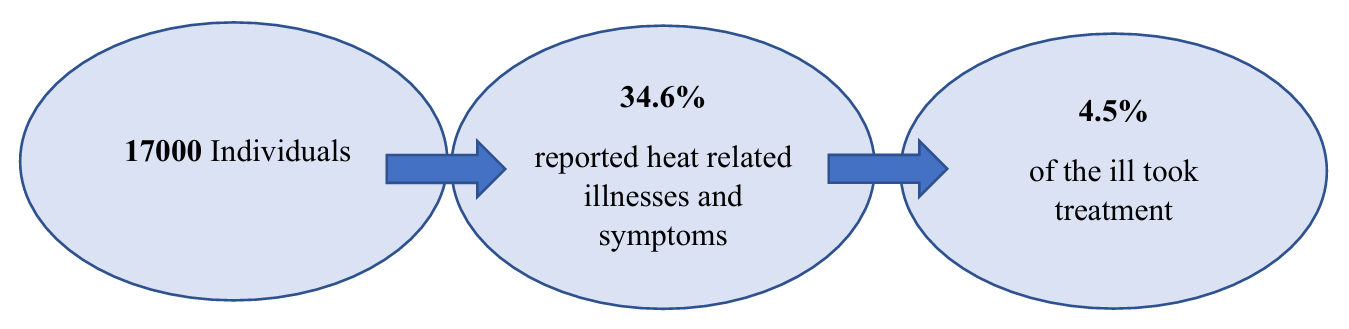
Houses in these underserved slums are described as “furnaces” by the inhabitants, with structures made of tin, asbestos and concrete that trap heat with limited ventilation and inadequate cooling mechanism. This continuous exposure to heat, without the means to cool down the body temperature, pushes the residents towards heat-related illnesses (HRIs). In a recent survey conducted on heat-health risks by the CHHANW project team, HRIs reported ranged in severity from heat exhaustion, sleeping disorders, dizziness and dehydration to more acute conditions such as heatstroke and even death.
Experiencing “Heat Poverty,” is a growing concern amidst the vulnerable. While cooling has become an inescapable necessity, the financial burden associated with maintaining thermal comfort adds another layer of vulnerability to financially constrained households. Air conditioning is set to become the most prevalent heat-coping strategy worldwide, with sales increasing multifold across all segments of society over the last few decades. For many though, the capital and operational expenses incurred often outweighs the comforts.
Bhubaneswar, Odisha, is known for its high heat stress conditions in summer, with high temperatures combining with high levels of humidity reaching up to 80%. Within Bhubaneswar, a total of 40 heat zones have been identified, with the urban heat island effect playing a major role in raising the temperature (Swain et al., 2017). In low resource settings, the dire heat conditions have pushed some households to incur debt to purchase an air conditioner to protect the health and well-being of their family members.
In the primary survey conducted under the CHHANW project, in Bhubaneswar, individuals who sought treatment for HRIs, reported that the average total treatment cost incurred equaled ₹2370 for out-patient services and ₹3368 for in-patient/ hospitalisation services.
Describing her family’s struggle, a young woman residing in a slum, described the difficult decision of buying an air conditioner, despite it being unaffordable for the most part. Her father, an elderly outdoor worker suffering from diabetes, experienced a severe sunstroke that resulted in an extended period of illness and high medical costs. The family took a loan to purchase the air conditioner, with monthly installments and increased electricity bills resulting in a continuous financial strain. However, the family considered the air conditioner more affordable than the cost of suffering, after failing to gain respite from other available cooling options such as ceiling fans.
They observed a positive shift in the health of their father, who adjusted his work schedule to working in the evening hours, while resting during the peak afternoon heat. The installation of the air conditioner improved the thermal comfort of the father and the other members of the household.
The woman further stated,
“Even though we are paying for it every month, at least my father is alive and recovering.”
This story captured from the field highlights the multiplication of vulnerabilities compounded by age and chronic diseases that lead to serious heat related health risks. Heat disproportionately affects elderly people, as the ability of the body to dissipate heat slows down with age. The presence of co-morbidities such as diabetes, hypertension and other chronic conditions exacerbates the health risks. Access to cooling mechanisms becomes essential to preserve the health of the elderly.
While air conditioning may appear to be an inevitable solution to prevent heat-related illnesses (HRIs), and specially so among the elderly, it places a financial strain on households, compromising their ability to invest in other essential needs of household members. There is a critical need to develop low-cost and sustainable cooling alternatives. Investments are required in sustainable cooling strategies, which are affordable, scalable and do not contribute to the core problem, which is of increasing GHG emissions and a warming planet.
For more information, please check: https://chhanw.com/ (Website)
https://www.linkedin.com/company/chhanw/posts/?feedView=all (LinkedIn)
Sandipta Rath, Anwesha Mishra, Sruti Mohapatra, Purnasha Pany
Related Post
Where is heat on my priority list?
The intensity and severity of heatwaves in India and across the globe have been steadily rising. Some desert regions in India are now experiencing extreme temperatures—reaching as high as 52°C. What once felt exceptional is now becoming the norm. Every summer, the front pages of newspapers have startling headlines on how heat has broken a […]

I am not stronger than heat: Heat-Health Risks Call for Urgent Action from Employers
Summers are getting hotter, and for outdoor workers, the heat isn’t just uncomfortable — it can be dangerous. During my visit to a low-income setting in Jaipur, I met Kishore Kumar (name changed), a 42-year-old construction labourer who learned the hard way how prolonged exposure to extreme heat can take a serious toll — not […]
To ORS or not to ORS?
Countries across the world have been facing increased temperature coupled with rising frequency and intensity of heat waves. Heat is often associated with an array of physiological impacts including heatstroke, dizziness, dehydration and in severe cases, even death. Among these, dehydration has been associated with all age groups with higher vulnerability among infants, younger children […]

We successfully hosted a Co-Principal Investigators (Co-PI) Meeting on 4–5 June 2025 at the Institute of Economic Growth (IEG), New Delhi, convening researchers and experts from IEG, DEFT, and IIHMR to align on the next phase of our ongoing heat-health project. Over the course of two productive days, we: Shared key findings from the Bhubaneswar and Jaipur household surveys Discussed strategies for intervention design and content development Reviewed global best practices to inform localized heat-health solutions Finalized a shortlist of pilot interventions for testing Charted a roadmap for implementation across the project sites. This meeting marked an important step toward collaborative, evidence-based action to build climate resilience in vulnerable urban communities.
Where is heat on my priority list?
Girika Sharma
The intensity and severity of heatwaves in India and across the globe have been steadily rising. Some desert regions in India are now experiencing extreme temperatures—reaching as high as 52°C. What once felt exceptional is now becoming the norm. Every summer, the front pages of newspapers have startling headlines on how heat has broken a new record, TV anchors warn people not to step outside in the afternoon, while energy drink advertisements flood our personal electronic screens.
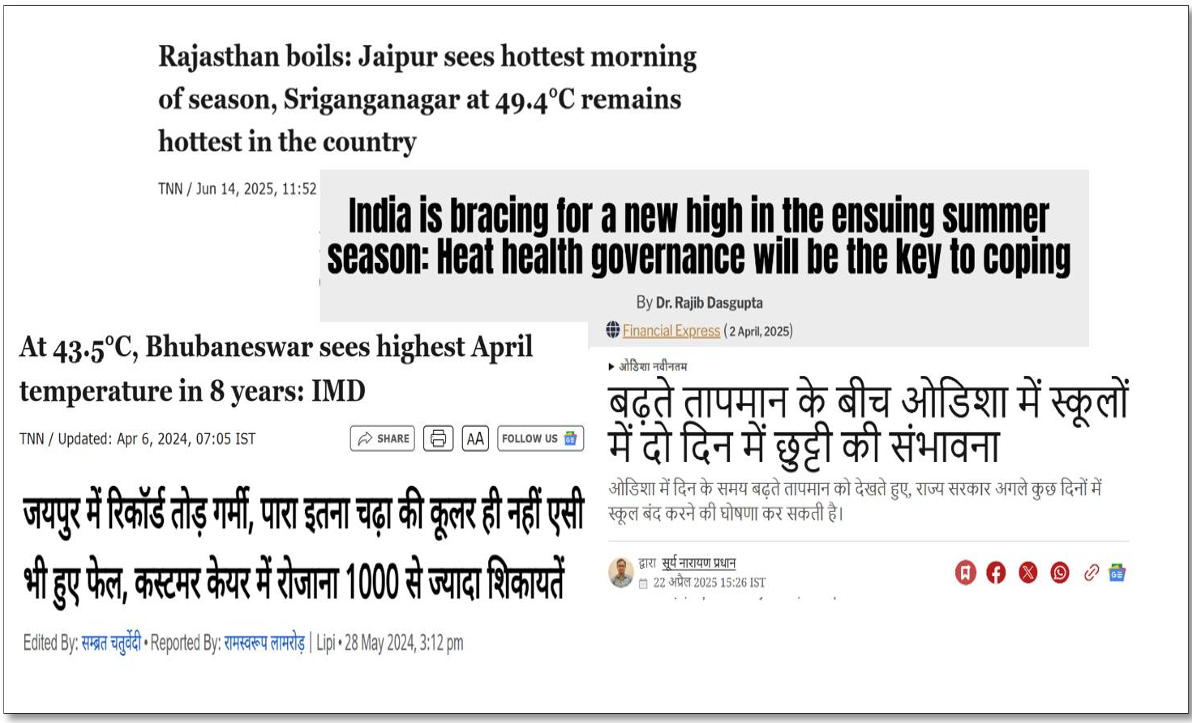
We hear about various heat-related advisories about what to do and what not to do. But the real question is: Where does heat sit in people’s list of priorities? Can everyone afford to stay indoors during peak heat hours? Can they avoid outdoor work or choose not to cook in front of a wood-fired stove? Can everyone afford to have energy drinks? During our field visits to low income settlements in Jodhpur, Rajasthan—a desert region known for its dry heat—we asked residents about how rising temperatures were affecting their lives and what was their perception about increasing heat. Their responses were revealing: “We have bigger problems to worrabout.”; “We’re used to the heat, we have no option.”; “We don’t even have electricity”; “Ourhomes get flooded in the rainy season”; “We don’t have enough to eat or enough money to send our children to school” In Bhubaneswar, the same questions elicit different responses –“heat makes me feel fatigued,” “heat is exhausting” and “we get heatwave warnings” is oft accompanied by “but, I don’t seek treatment for it”, “there isn’t much to do about it”, or “home remedies are the only things to do”.
It became abundantly evident, that for many heat is not a concern to be denied, not is it one to be prioritised. Extreme heat while being recognised as causing discomfort, is a part of normal life, to be indeed “normalised”, and coping with heat doesn’t really make it to the top of the to do list. in a list of things to do. No doubt the list of vulnerabilities can appear overwhelming and play a significant role which contributes to normalization of heat. Nonetheless, there is a
lot to build upon – the presence of some level of awareness of heat related illnesses, , using home remedies to cope, and knowledge of heat warnings. In particular, it is a shout-out to the need for planned interventions that don’t rely solely on individual action among the most vulnerable. Solutions beyond those that are perceived to place the burden of adaptation on the very people who are least equipped to carry it are important – for instance, public health interventions at the community door-step, at the pharmacy, the local community centre, a trained local health worker, cool water in schools. Co-creating solutions with communities, that account for place-specific heat vulnerabilities, will account for the lived realities of people in developing acceptable and effective solutions. We can achieve so much by mixing innovative approaches with traditional practises.
For more information, check:https://chhanw.com/;https://www.linkedin.com/company/chhanw/?lipi=urn%3Ali%3Apage%3Ad_flagship3_profi le_view_base%3B9gQvJXHHT2e1fZtYW5yV%2Bw%3D%3D
Girika Sharma
Related Post
To ORS or not to ORS?
Countries across the world have been facing increased temperature coupled with rising frequency and intensity of heat waves. Heat is often associated with an array of physiological impacts including heatstroke, dizziness, dehydration and in severe cases, even death. Among these, dehydration has been associated with all age groups with higher vulnerability among infants, younger children […]
I am not stronger than heat: Heat-Health Risks Call for Urgent Action from Employers
Summers are getting hotter, and for outdoor workers, the heat isn’t just uncomfortable — it can be dangerous. During my visit to a low-income setting in Jaipur, I met Kishore Kumar (name changed), a 42-year-old construction labourer who learned the hard way how prolonged exposure to extreme heat can take a serious toll — not […]
Sustainable Cooling Matters
By Sandipta Rath, Anwesha Mishra, Sruti Mohapatra, Purnasha Pany CHHANW team, Institute of Economic Growth “Buying an AC was never a choice but a need. When my father collapsed due to sunstroke during work, we made the decision to prioritize his health even if it means we will be tied to monthly installments and high […]
To ORS or not to ORS?
 Shreya Pujari
Countries across the world have been facing increased temperature coupled with rising frequency and intensity of heat waves. Heat is often associated with an array of physiological impacts including heatstroke, dizziness, dehydration and in severe cases, even death. Among these, dehydration has been associated with all age groups with higher vulnerability among infants, younger children and the elderly. It is one of the most commonly observed Heat Related Illness (HRI), which gets further exacerbated due to other converging symptoms of HRIs such as nausea and excessive sweating. One of the most revolutionary measures used to bring downinfant deaths due to dehydration (from diarrhea) back in the 1970s, the Oral Rehydration Solution (ORS), became one of the most recommended solutions to prevent dehydration due to excessive heat. ORS has been widely recognized as a major breakthrough in global health. Within the Indian public health system, ORS is recommended to be made available at all levels, from community health workers to hospitals. In terms of HRIs, while dehydration is often assessed based on urine colour or volume, a robust test to detect the electrolyte fluctuation is not available. Consumption of water quenches thirst and provides relief to a dehydrated body but it may not help to retain that water during excessive heat. A solution like ORS helps to replenish fluids and electrolytes lost due to sweating by helping the body absorb fluids more efficiently, thereby balancing the electrolyte levels and restoring the natural equilibrium of the body. A study by Ishikawa et al. (20101) highlighted that intake of ORS during outdoor work in a hot environment is effective for preventing industrial accidents and heat stroke. While ORS is highly recommended for managing dehydration, there is limited discussion around the need for practicing caution before its intake among specific population groups. Despite its crucial role in the management of dehydration, diarrhea and related malnutrition, serious safety concerns have been raised regarding its use in neonates and young infants. Excessive intake of ORS has been associated with elevated sodium levels (hypernatremia) which can cause seizures, brain damage and even death among infants, swelling (around the eyes and in feet) and excessive irritability while over-dilution of ORS has also been linked to asymptomatic low sodium and potassium levels (hyponatremia and hypokalemia)2. Thus, determining the appropriate concentration of ORS, especially in paediatric use, needs careful consideration.
The use of ORS is highly discouraged for people with kidney disorders and those on a fluid-restricted diet. Kidney disorders impair the body’s ability to regulate electrolytes and fluids, so unregulated intake of ORS can increase pressure on the kidneys, which may struggle to manage the extra fluids and electrolyte load (especially sodium and potassium). For patients with chronic diseases such as diabetes, hypertension or heart disease, who are advised to regulate their salt and sugar intake, ORS consumption should be done cautiously. Excessive intake may lead to electrolyte toxicity and disturb the blood sugar or sodium levels in the body. Chronic diseases like diabetes further leads to the development of kidney-related complications. This increased susceptibility also raises concerns regarding the unregulated use of ORS. The Centre for Disease Control and Prevention (CDC) data indicates that approximately 1 in 3 adults with diabetes may develop chronic kidney disease (CKD). The ICMR-INDIAB study (2023) also reported that 40% of people with type 2 diabetes and 30% of those with type 1 diabetes develop kidney diseases. Moreover, death dues to renal failure have been increasing in India, with diabetes being a major contributor3. The primary survey conducted under the CHHANW project in Bhubaneswar, Odisha and Jaipur, Rajasthan reported a substantial proportion of individuals with chronic disease (Diabetes) and kidney diseases, necessitating greater caution in suggesting ORS as a feasible intervention.
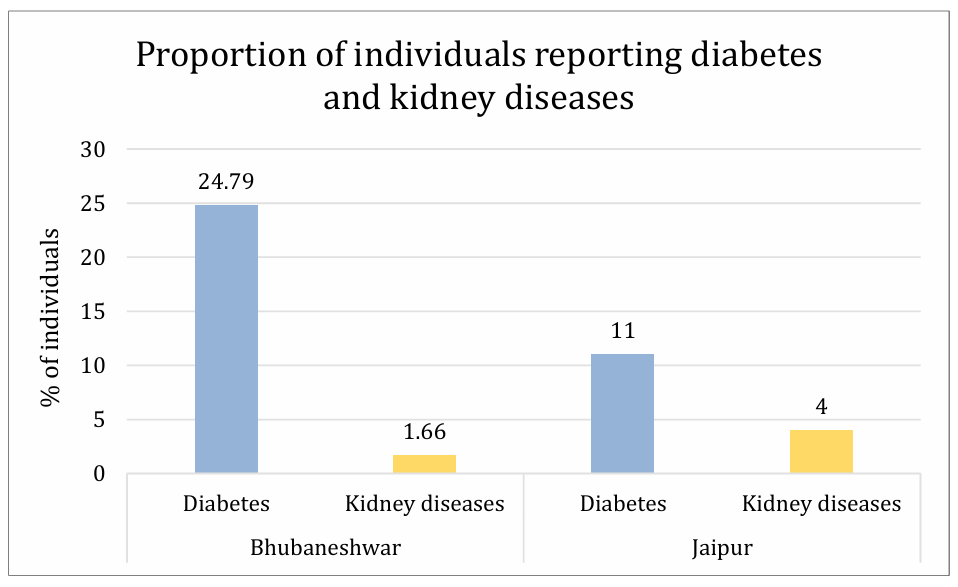
So, when a heat intervention is to be put in place, what should be done? To ORS or not to ORS? As the discussions around designing interventions for different vulnerable groups unfolded within the project and consultations with multiple medical professionals were held, it became clear that while ORS is an affordable and accessible measure for dehydration, there is a need for more caution around its consumption, especially when recommended to infants, younger children and elderly. Thus, while ORS remains a life-saving intervention, its administration must be coupled with awareness, especially in India where climate risk and the dual burden of acute and chronic illnesses are simultaneously rising.
For more information, please check: https://chhanw.com/ (Website)
https://www.linkedin.com/company/chhanw/posts/?feedView=all (LinkedIn)
Shreya Pujari
Related Post
I am not stronger than heat: Heat-Health Risks Call for Urgent Action from Employers
Summers are getting hotter, and for outdoor workers, the heat isn’t just uncomfortable — it can be dangerous. During my visit to a low-income setting in Jaipur, I met Kishore Kumar (name changed), a 42-year-old construction labourer who learned the hard way how prolonged exposure to extreme heat can take a serious toll — not […]
Where is heat on my priority list?
The intensity and severity of heatwaves in India and across the globe have been steadily rising. Some desert regions in India are now experiencing extreme temperatures—reaching as high as 52°C. What once felt exceptional is now becoming the norm. Every summer, the front pages of newspapers have startling headlines on how heat has broken a […]
Sustainable Cooling Matters
By Sandipta Rath, Anwesha Mishra, Sruti Mohapatra, Purnasha Pany CHHANW team, Institute of Economic Growth “Buying an AC was never a choice but a need. When my father collapsed due to sunstroke during work, we made the decision to prioritize his health even if it means we will be tied to monthly installments and high […]
Extreme heat’s hidden health and economic toll
Living Planet (2 July, 2025)

Heat waves are deadly. As they grow more intense and frequent, their toll is mounting, from overwhelmed hospitals to lost labor hours. But countries can adapt to protect lives and the economy.
Related Post

Keynote Address by Prof. Purnamita Dasgupta: Navigating the Complexities of Climate Change and Development
Prof. Purnamita Dasgupta from the Institute of Economic Growth delivered a keynote address on the intricate relationship between climate change and sustainable development titled “Climate Change and Sustainable Development – Equitable and Integrative Action” at the 23rd IASSI Annual Conference held at BIT Mesra, Ranchi, from October 25th to 27th, 2024. Prof. Dasgupta emphasised the […]

Heatstroke economy: the rising cost of extreme heat
Extreme heat is no longer a future threat. It's here - and it’s costing us. From hospitals pushed to the brink, to cities built for a cooler planet, the toll is mounting on our bodies, our livelihoods and the systems meant to keep us safe.

Prof. Rajib Dasgupta, in his latest op-ed for the Indian Express, highlights the Heat stress is the leading cause of weather-related deaths and can aggravate underlying morbidities.
Related Post
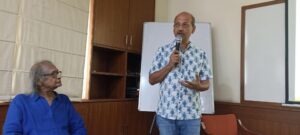
Professor Dasgupta Highlights Community-Centred Approach to Heat Action Plans at Delhi Science Forum
Professor Rajib Dasgupta, a co-principal investigator on project CHHANW, presented a talk titled “Heat Action Plans in a Warming India: Shifting the Gaze to Community-centred Approaches” at the Workshop on Science and Technology: Agenda for Self-reliant India organised by Delhi Science Forum on 31 August 2024 at Indian Social Institute, New Delhi. Other contributors to […]

India is bracing for a new high in the ensuing summer season: Heat health governance will be the key to coping
India is bracing for a new high in the ensuing summer season: Heat health governance will be the key to coping,” Dr. Rajib Dasgupta discusses the increasing challenges posed by rising temperatures and heatwaves in India. He highlights that the Indian Meteorological Department has forecasted above-normal temperatures, particularly in central and eastern states like Odisha, […]
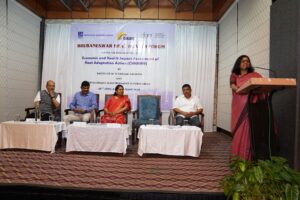

Purnamita Dasgupta Discusses Heat-Health Risks and Economic Impacts at National Symposium
Professor Purnamita Dasgupta, Chair Professor and Head of the Environmental and Resource Economics Unit at the Institute of Economic Growth, Delhi, delivered a keynote address on the assessment of heat-health risks and economic impacts at a national symposium organised by the Indian Meteorological Society Pune, Indian Institute of Tropical Meteorology, and India Meteorological Department. Professor […]