
Abstract
Heat health responses for young children constitute a unique public health challenge and Oral Rehydration Solution (ORS) have emerged as a key intervention in various advisories and heat action plans HAPs). ORS is an extraordinarily impactful first-line therapeutic intervention in reducing mortality and morbidity on account of dehydration and dyselectrolytemia in children caused by acute diarrheal diseases and is backed by state health and non-health agencies the world over. The reconstitution of ORS into a solution for oral rehydration therapy relies on the packaging instructions and frontline health workers; systematic reviews highlight low levels of knowledge and understanding of these aspects. Most of these HAPs and advisories are conspicuously silent on reconstitution and dosages. We have drawn upon available global literature and Indian evidence to shape this discourse across three strands – policy perspectives, clinical evidence and critiques on inappropriate usage of ORS and mislabeling of rehydration fluids to shape our arguments. It is imperative that only WHO formulated ORS is used for this purpose. Heat Action Plans need to specify age- and weight-specific ORS guidance, in line with the UNICEF advisory. India’s linguistic diversity calls for multilingual and pictorial instructions for correct preparation by caregivers, Capacity building of first responders and frontline health workers to correctly administer ORS for children’s HRIs is also an urgent imperative.
Physiological heat vulnerabilities for children
Infants and young children have specific heat-related physiological and behavioral vulnerabilities: (i) children produce more heat per kilogram of body weight; (ii) younger children have a higher surface area-to-mass ratio and absorb more heat from the environment; (iii) children have lower sweat rate per gland and begin to sweat only at a higher body temperature; (iv) infants experiencing heat stress have less capacity for regulating their temperature independently; (v) infants and young children have poorer blood circulation and lower proportional cardiac output and therefore are unable to adapt quickly to changes in temperature; and (vi) children tend to spend a lot of time outdoors and inadequately replenish fluid loss sustained during prolonged exposure and playing, leading to exertional heat illnesses. There are clear associations between pediatric emergency room visits and extreme heat events, mostly on account of dehydration, electrolyte disorders, gastrointestinal infections, and exacerbations of bronchial asthma.
Dehydration in the context of HRIs is generally assessed by urine color or volume but a robust point-of-care test to detect/measure dyselectrolytemia is not available. Consumption of plain water quenches thirst and provides short-term relief during dehydration but excessive heat leads to further water loss. ORS, an iso-osmolar glucose-electrolyte solution with base and citrate, helps replenish fluids and electrolytes lost due to sweating by helping the body absorb fluids more efficiently, thereby balancing the electrolyte levels and restoring homeostasis.
Related Post

Purnamita Dasgupta Discusses Heat-Health Risks and Economic Impacts at National Symposium
Professor Purnamita Dasgupta, Chair Professor and Head of the Environmental and Resource Economics Unit at the Institute of Economic Growth, Delhi, delivered a keynote address on the assessment of heat-health risks and economic impacts at a national symposium organised by the Indian Meteorological Society Pune, Indian Institute of Tropical Meteorology, and India Meteorological Department. Professor […]

Where is heat on my priority list?
The intensity and severity of heatwaves in India and across the globe have been steadily rising. Some desert regions in India are now experiencing extreme temperatures—reaching as high as 52°C. What once felt exceptional is now becoming the norm. Every summer, the front pages of newspapers have startling headlines on how heat has broken a […]
Workshop on Qualitative Research Methodology
Anussha Murali, a Senior Research Analyst at the Institute for Economic Growth (IEG), attended a two-day workshop on Qualitative Research Methodology organised by NIHFW in collaboration with INCLEN Trust. The workshop provided training on qualitative research design and data collection, such as: Understanding Qualitative Research Philosophies and Frameworks: The workshop explored various philosophical underpinnings of […]
Health SDGs are at risk from climate change: Evidence from India
Plos One (26 November, 2025)

Abstract
Climate change poses significant risks to human health in India, with 80% of the pop ulation located in areas highly vulnerable to extreme events, such as cyclones, floods and heatwaves. While India has made progress on several Sustainable Development Goals (SDGs), risks from climate change can undermine the achievements. This
study examines the impact of climate vulnerability on health related targets under the SDG2 on Zero Hunger and SDG3 on Good Health and Well-being. Statistical and
econometric methods including a multivariate logistic regression are used to examine the relationship between climate vulnerability, social and economic determinants of health and health outcomes in 575 districts of rural India. 2 national datasets are used for the analysis, namely, a health survey and a climate risk and vulnerability assessment, with a sample size of 154,547 children and 447,348 women. A highly significant and negative relationship is found between climate vulnerability and attainment levels of health outcomes. Districts that are highly vulnerable to climate change consistently underperform on the studied health targets as compared to districts which are less vulnerable to climate change. For instance, the chance of children being underweight and that of women having non-institutional deliveries, is 1.25 and 1.38 times higher, respectively, in districts that are highly vulnerable to climate change than districts that are less vulnerable. While the extent of the adverse impact varies, the findings establish the necessity to take account of the adverse impacts of climate change on health outcomes, apart from the socio-economic and access related factors that have conventionally been considered as relevant in influencing these outcomes. in LMICs like India. There is an urgent need for timely action to address climate change risks, including effective adaption in health, to ensure that the desired health and well-being outcomes can be achieved and sustained, amidst rising climate risks
1.introduction
Risks to human health from climate change are on the rise globally, adversely impacting and undermining multiple dimensions of health and well-being [1,2], including in india [3,4].
climate change impacts on health include increasing mortality and morbidity from extreme events such as heatwaves [2,5], droughts, and floods [2]; spread of vector borne diseases [6,7] and altered disease patterns, disruptions in access to health care [8], destruction of health infrastructure [8]; and impacts on health-seeking behavior [9,10], to name a few.
for instance, evidence shows that long term exposure to extreme heat increases the risk of death from existing illnesses including cardiovascular and respiratory illnesses, along with the direct impacts, such as exhaustion, headache, sleep disturbances and heat stroke [11–13].
climate risks can adversely impact the achievement of the sustainable develop ment goals (sdgs) of the un [14].
the sdgs comprise of seventeen global goals and targets enshrined under each goal, and are intended to ensure health, justice and prosperity [15].
health is an important component of the sdgs, with sdg 2 (zero hunger) and sdg 3 (good health & wellbeing) containing several health- related targets, such as ending hunger, improving nutrition, reducing mortality, improving access to healthcare, and ensuring universal health coverage.
it is critical to accelerate progress in achieving the health targets of the sdgs, since the current trends in these are insufficient to meet the health goal by 2030 [16]. climate change, climate-related risks, and disasters can pose significant challenges to achieving the sdg targets [17], and potentially disrupt the achievement of sdgs [18,19].for effectively addressing shortfalls and reducing disparities in health amongst vulnerable populations, it is therefore essential to take serious note of these impacts and drive investments in the right direction.the extent of vulnerability differs from one region to another, especially in a large country like india, and is influenced by local climatic, geographical, and socio-economic factors [20] around 64% [21] of the indian population stays in rural areas while 46% of the population is employed in agriculture in 2023 [22].
as compared to urban areas, rural areas are under-served in terms of health care services [23] and infrastructure such as roads, electricity, hous ing and communications [24].the gap in consumption expenditure between rural and urban areas has been reducing [22] given the significant share of population residing in rural areas, estimated to be around 915 million in 2023 [25] mapping and quantify ing the shortfalls in health outcomes which are attributable to climate change impacts can help develop appropriate adaptation policies.the impacts of climate hazards on human health are severe and already being felt globally as well as in india [26–29].
this study is an innovative attempt merging data from the largest national survey on health with climate data, to examine and provide quantifiable evidence on the links between climate and health outcomes in india. it examines whether climate action can contribute to achieving good health.
the objective of the study is thus set-up to provide quantitative evidence on the extent to which climate change impacts and poses a barrier in achievinhealth-related sdg targets across different districts in rural india.the data used for the analysis is taken from national level surveys conducted by government agencies
Relevant findings from a desk review
The literature on non-climatic determinants influencing the attainment of health-related targets is well-established. We present below some of the key findings from the literature on these key determinants. Malnutrition alone is responsible for 45 percent of deaths among children under the age of five [30] and continues to be
a significant challenge in many parts of the world, with an estimated 149 million children under the age of five stunted, 45 million wasted, and 37 million overweight or obese as of 2022 [30]. It is concentrated in low- and middle-income countries, particularly in sub-Saharan Africa and South Asia. For India, the SDG 2 index score is 52, much below the target score of 100 [31]. The prevalence of stunting, being underweight, and chronic malnutrition in India is high, with significant regional disparities [32,33]. Around 36% of children under the age of five years were stunted, 32% were underweight, and 19% were wasted in India as per the National Family Health Survey 2019–2021 [34]. Poverty, poor sanitation, lack of access to healthcare, and inadequate education are among the key factors that contribute to the high burden of malnutrition in India, and elsewhere [35]. Malnutrition indicators also vary by demographic factors such as gender, age, education of the mother and the birth order of the child.The understanding on the socio-economic and cultural determinants of malnutrition has advanced significantly. Studies, both globally and in India, have found that female children (under the age of 5 years) are relatively more vulnerable to malnutrition than males due to various socio-economic and cultural factors that lead to prioritization of the needs of male children [36,37] Lower levels of parental education, particularly maternal education is also significantly associated with higher malnutrition rates among children [38] with education providing mothers with better knowledge of nutrition, health practices, access to healthcare [39,40] and implementation and utilisation of these for enhancing nutritional outcomes for children [41]. In India and elsewhere, maternal education, employment and socioeconomic status interact in many ways [42,43], for instance, higher maternal education can reduce the negative effects of low household wealth on child nutrition [44]. A study in Uttar Pradesh, India, found that the prevalence of stunting was significantly lower among children whose mothers had completed at least primary education [45]. Globally, evidence indicates that stunting, wasting, and being
underweight are more prevalent among male children born to mothers with no schooling, and amongst those from lower-income quintiles [46].Studies in some African countries found that children with siblings or with a higher birth order were more likely to be stunted and underweight [47]. A few Indian studies report similar findings that a higher birth order increases the likelihood of children being stunted and underweight [48,49]. Global evidence shows that in many households, resources such as food, attention and healthcare are spread thinner with more children and in some cases, are distributed based on birth order [50,51]. Globally, studies indicate that increased antenatal care (ANC), particularly when provided by skilled healthcare profes sionals, correlates positively with reduced risks of malnutrition among children, especially in low and middle-income countries [52], reducing neonatal and infant mortality [53], low birth weight [52], stunting [54], and prevalence of underweight children [55] India’s performance has been comparatively better in SDG 3, with an index score of 77 as compared to a target of 100 [31]. Significant advancements in maternal and child healthcare services have come from concerted efforts through programs and interventions under the National Health Mission [56,57], and targeted initiatives from the government focusing on high quality, comprehensive ANC while alleviating financial burdens on women [58]. Some schemes incentivize institutional childbirth and mitigate direct expenses [59], while others focus on improving the quality of care and services during labor [60]. Child mortality rates have reduced significantly in India [61,62] due to some of these efforts, though disparities persist in some regions and for specific disadvantaged groups [63]. Institutional deliveries in India have significantly increased over the past three decades with most states having already surpassed SDG targets (92%) for 2030. However, challenges persist in some regions, with institutional delivery rates below 80%. A lack of ANC, poor socioeconomic status, locational disadvantages, and higher birth order are among the challenges associated with lower utilization of institutional delivery in certain regions [64–66], manifested in terms of poor performance in key indicators [67–69]. Access to healthcare is a crucial determinant for achieving good health and health equity. Several studies in South Asia, including India, have identified access to health care as being critical for health promotion and health equity, and for addressing vulnerabilities across communities and overcoming gender disparities in health outcomes. Harsh geographic conditions, long distances to health centers, limited transportation, lack of services, absence of adequate and trained health care professionals, and financial barriers have been often noted as impacting access to equitable and quality health care [70–74]. Increasingly, climate change has become a major force disrupting health care delivery, undermining the social determinants of good health and reducing the capacity to provide health care, including universal health coverage [15], with the potential of significantly increasing health costs in LMICs [75,76]. Climate change is thus increasingly recognized globally as a major determinant of health, with differential and adverse impacts for vulnerable populations, including women and children. The need to address the impacts of climate change on health along with the other socio-economic determinants of health is being recognized [77]. In India, are preparing action plans on climate change and human health. However, the evidence base and understanding on the impacts due to climate change is weak. Prior to the current study, there have been no such attempt at quantifying the available evidence in terms of the impacts on human health in India at an All-India level, with sufficient granularity to understand differential impacts at
sub-national levels.
2. Materials and methods
Methods
The study uses statistical and econometric methods to examine the relationship between climate change and health outcomes. A multivariate logistic regression is estimated. Such estimation techniques have been used elsewhere to examine the relationship between climate change variables and health outcomes, such as in USA and China [78,79]. The health-outcomes studied are stunting, wasting, and being underweight for children under five years of age, andnon-institutional deliveries and problems in accessing health care for women aged 15–49 years. The role of climate change as a determinant for these health outcomes is captured by an explanatory variable on climatic vulnerability across districts. Other socio-economic variables are also included as determinants in the specification. The outcome in the logistic equation is specified as a dichotomous dependent variable taking a value of 0 or 1, depending on whether the outcome is observed or not (e.g., 1 if stunted, 0 if otherwise). The model provides the probability (p)that the event (e.g., stunting) will occur relative to the probability of its non-occurrence (1-p), providing the odds of the event occurring, and the odds ratio, with a reference category [80]. In a multivariate specification, each odds ratio [81] provides an estimate of the change in the odds or chances (e.g., of a child being stunted) that is associated with the corresponding explanatory variable (xi, e.g., climatic vulnerability), while controlling for the other independent variables(e.g., gender, age, mother’s education).Using a logarithmic transformation of the odds ratio (e.g., odds of being stunted),
a multivariate specification generates the log odds ratio for each explanatory variable in the model. Equation 1 presents 4 / 17 PLOS One |https://doi.org/10.1371/journal.pone.0335529 November 26, 2025 the general form of the specification used. βi (i = 1,2….k) denotes the coefficient of the corresponding independent variable,β0 is the intercept term and Xirepresents the independent variables in the model. p is the probability of the outcome (for
instance: if the child is stunted, then p = 1). The term (p/1-p) denotes the odds of the outcome occurring, while log(p/1-p) represents the log-odds (logit) of the outcome.
log(p/1–p)=β0+β1X1+β2X2+···+βkX
(1)The model is applied to a combined dataset, obtained by merging two datasets, namely the National Family Health Survey-Round 5 (referred to hereafter as NFHS) [82] and the Central Research Institute for Dryland Agriculture (CRIDA) [83] datasets. The former provides information on the progress in the SDG targets, the individual and household level information on health status, socio-economic variables of interest, and on access to health care. The CRIDA dataset provides information on the climate vulnerability across districts. District boundaries for the NFHS and the CRIDA datasets were matched and aligned to ensure consistency in merging the datasets. The data for stunting, wasting, being under weight and non-institutional deliveries is extracted from the Kids Recode (KR) file of the NFHS, while the data for the ‘problems with access to healthcare’ variable is extracted from the Individual Recode (IR) file for women. The IR and KR data files were merged with the climate vulnerability dataset at the district level, across 575 districts. There are 154,547 observations for children, and 447348 observations on women ailable in the merged datasets. The statistical and econometric estimations on the datasets were conducted using Stata software, version 16
Related Post
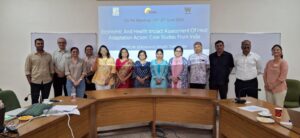
Collaborative Planning for Heat-Health Interventions
We successfully hosted a Co-Principal Investigators (Co-PI) Meeting on 4–5 June 2025 at the Institute of Economic Growth (IEG), New Delhi, convening researchers and experts from IEG, DEFT, and IIHMR to align on the next phase of our ongoing heat-health project. Over the course of two productive days, we: Shared key findings from the Bhubaneswar […]

Heat has health consequences, and economic ones too
The Government of India has consistently reiterated its global climate commitments. As the world heats up, heat health is increasingly occupying centre stage during the summer months. The Global Heat Health Information Network cautions that heat is a serious human health concern and that the number of people exposed to extreme heat is growing exponentially due to climate change […]
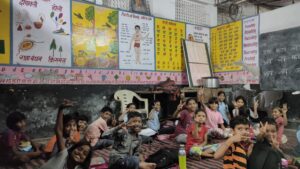
Jaipur Field Visit
Visit to Local School (Primary & Middle): The school in Katputli Nagar has around 161 children from classes 1 to 8 studying together in a shared space consisting of one large room, a corridor, and an open shed. During summers, school hours are restricted till 11 a.m., and on extreme heat days, holidays are declared. […]
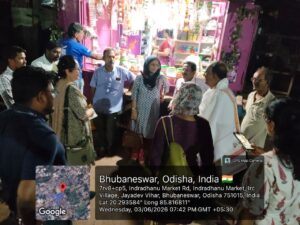
Kudos to all households, communities and our field workers for being with us.
Meeta Mehra and Purnamita Dasgupta made a quality assurance visit to four field sites in Bhubaneswar. They interacted extensively with household members who are participating in the research study, including members from households that are part of the control group and from households participating in the cool-roof intervention. They inspected on-site cool-roof painting being done […]

Climate change has elevated extreme heat from an ‘invisible’ public health threat to an urgent challenge, with heat stress being a leading cause of weather-related deaths, and disproportionately affecting warmer regions and the poor. Between 2001 and 2013, the population of India exposed to extremely hot temperatures increased by 10 million. It is estimated that cities could warm by 4°Celsius on average by 2100, posing significant health challenges for populations living within dense urban networks5. It is well-established that both hot temperatures and heatwaves are associated with excess mortality risk. A heatwave is usually defined as ‘a period of extreme high temperature that lasts several days’. There is no internationally accepted definition of heatwaves. Definitions vary based on how a heatwave is identified and what indicators are used to measure its various dimensions. Beyond fatalities, extreme heat is also linked to the disruption of the everyday and the ordinary: school closures, livelihood loss, water shortages, power outages, and food insecurity. These impacts on lives and livelihoods are further shaped by one’s ability to respond to heat a relationship mediated by an individual’s social, cultural, economic, and physiological status. To address these heat-health risks and their differential impacts on vulnerable groups, heat action plans (HAPs) have emerged as a dominant planning instrument.
Under the aegis of the World Health Organization Regional Office for Europe (WHO/Europe), the EURO-HEAT Project (2005-2007) guidance document on heat-health action plans (HHAPs) was developed for designing national and sub-national HAPs. The eight ‘core elements’ of a comprehensive HHAP include: (i) agreement on a lead body for coordination, (ii) accurate and timely alert systems, (iii) heat-related health information plan, (iv) reduction in indoor heat exposure, (v) particular care for vulnerable population groups, (vi) preparedness of the health and social care system, (vii) long-term urban planning, and (viii) real-time surveillance and evaluation. City-specific plans generally differ based on how each core element is incorporated, the associated scope and complexity of implementation.
A severe heatwave in Odisha in 1998 led to the development of the first State heat response plan in India. Following the release of the WHO/Europe guidance document, more HAPs were launched in the country. Several State governments and municipal corporations have received funding and external technical support from domestic and international organisations and experts to develop HAPs in India. Ahmedabad’s 2013 HAP was developed in collaboration with the Indian Institute of Public Health (IIPH) Gandhinagar, Public Health Foundation of India (PHFI), Natural Resources Defense Council (NRDC), Mount Sinai School of Medicine, and Rollins School of Public Health at Emory University. The Bhubaneswar HAP, launched in 2016, was prepared by Integrated Research and Action for Development (IRADe) and supported by the International Development Research Center, Government of Canada. The 2019 Rajasthan HAP was developed in collaboration with UNICEF Rajasthan’s Disaster Risk Reduction Section. In an analysis of 37 HAPs, significant variations were found in the actions recommended to be carried out in response to heatwaves, ranging from health systems capacity- building to green roofs.
Related Post
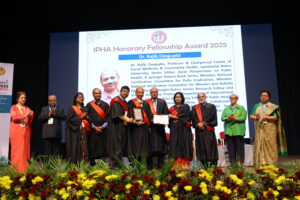
Addressing Heat-Health Risks: Chhanw Team’s Key Contributions at the 69th IPHA Conference
The 69th Annual Conference of the Indian Public Health Association was held at the Jawaharlal Nehru Medical College, KLE Academy of Higher Education and Research in Belagavi, Karnataka from 21 to 23 March 2025. The theme of the conference was Transforming Public Health in India: Innovations, Challenges, Diplomacy and Future Horizons. The Chhanw team of […]
Collaborative Planning for Heat-Health Interventions
We successfully hosted a Co-Principal Investigators (Co-PI) Meeting on 4–5 June 2025 at the Institute of Economic Growth (IEG), New Delhi, convening researchers and experts from IEG, DEFT, and IIHMR to align on the next phase of our ongoing heat-health project. Over the course of two productive days, we: Shared key findings from the Bhubaneswar […]

Sustainable Cooling Matters
By Sandipta Rath, Anwesha Mishra, Sruti Mohapatra, Purnasha Pany CHHANW team, Institute of Economic Growth “Buying an AC was never a choice but a need. When my father collapsed due to sunstroke during work, we made the decision to prioritize his health even if it means we will be tied to monthly installments and high […]

The long night of India’s heatwave
From poor sleep to higher mortality chances, rising nighttime heat is reshaping the country’s climate emergency. Heat waves occur in India from March to June or July, and warnings are typically based only on the maximum surface air temperature (daytime). Daytime-only heatwaves (DHW) are increasingly turning into nighttime-only (NHW) and day-night compound heatwaves (CHW), and […]
Mainstreaming Nonformal Interactions as a Method of Qualitative Data Collection in Health Research
Indian Journal of Public Health (Volume 69,Issue 3 July-September 2025)

Nonformal interactions (NFIs) are yet to be a part of qualitative research protocols. Informal interactions, often used in building rapport, are
sometimes mentioned synonymously or rather casually to represent the nonformal component of methods as well. Researchers, however, seldom consider NFIs as a core or contributory method to address the research question. We present our experiences with this data collection method, the rules of engagement with participants, subsequent analysis in synergy with the data collected through conventional methods, and its unique role in exploring the sensitive domains of inquiry to address knowledge gaps.
Key words: Inductive approach, nonformal interactions, qualitative research method
Formal, nonformal, and informal learning modes are well‑recognized and distinct entities in the field of pedagogy and have space in the generic realm of epistemological processes. When it comes to the hard terrain of knowledge generation, we depend on the formal methods of data collection rather exclusively. This may go well with the deductive approach and quantitative research that are inherently dependent on positivism and well‑defined structures. However,
there are certain recondite areas in health sciences where we are likely to hit a wall if we continue to pursue the path of formal methods alone, especially when we are following an inductive and qualitative approach. In such areas, demands of reflexivity would always push a researcher to break the barriers posed by the rules of measurements and venture into the realm of insights. Critical insights course‑correct deductive interpretations, enrich the evidence base, and inform the
interventions, particularly in programmatic contexts where both providers and those accessing the services are equal partners.Formal learning is well‑defined and circumscribed by narrow curricular models. Informal learning is unstructured and not measured through qualifications.[1] In contrast, nonformal or
“less formal” learning lacks a clear definition and straddles across key elements of education. Defined in terms of “what it is not,” it is a negative concept of sorts.[2] Nevertheless, it
shares characteristics of formal learning and can, therefore, be accredited with a focus on content that relates to the learners’ needs with a higher degree of flexibility. In human resource management, informal interview context is an important consideration to have a better chance of assessing
applicants accurately. Informal interactions also find mention in industrial relations to co‑create employees’ participation.[3]
While informal interactions can be a preferred option in certain contexts, and one respondent in a case study is quoted as “informality is king!,” the caution is that several issues are not specifically touched upon.When it comes to qualitative research, the term “nonformal interactions (NFIs)” is yet to be a part of the mainstream lexicon. Informal interactions are mentioned occasionally in the context of building rapport or understanding of situations and settings. They may be mentioned synonymously (or Address for correspondence: Prof. Rajib Dasgupta, Center of Social Medicine and Community Health, Jawaharlal Nehru
University, New Delhi ‑ 110 067, India. E‑mail: dasgupta.jnu@gmail.com This is an open access journal, and articles are distributed under the terms of the Creative
Commons Attribution‑NonCommercial‑ShareAlike 4.0 License, which allows others to remix, tweak, and build upon the work non‑commercially, as long as appropriate credit is given and the new creations are licensed under the identical terms. For reprints contact: WKHLRPMedknow_reprints@wolterskluwer.comSubmitted: 15‑Mar‑2025
Accepted: 14‑May‑2025 Revised: 12‑May‑2025 Published: 04‑Oct‑2025 How to cite this article: Dasgupta R, Chaturvedi S. Mainstreaming
nonformal interactions as a method of qualitative data collection in health research. Indian J Public Health 2025;69:341‑3.
casually) to represent the nonformal component of methods as well, but researchers seldom consider NFIs as a recognized or formal method to address research questions. We present our experiences and perspectives with this data collection technique, its unique role in exploring the sensitive domains of inquiry for covering knowledge gaps, the rules of engagement with participants, and subsequent analysis in synergy with the data collected through in‑depth interviews (IDIs), key informant interviews (KIIs), or focus group discussions (FGDs).he researchers’ group at the International Clinical Epidemiology Network (INCLEN) was tasked with the evaluation of the polio eradication initiative in India in the aftermath of the huge surge of wild poliovirus cases in 2002 and 2006 in some western districts of Uttar Pradesh and the Kosi River belt of north Bihar. The root cause in north Bihar was related to physical access and last‑mile delivery in the riverine belt; this was resolved by vaccine delivery innovations (including novel human resource strategies). In contrast, the challenge in western Uttar Pradesh was the presence of endemic pockets of cultural resistance against immunization, labeled as social resistance and vaccine hesitancy. Conventional approaches were proving to be inadequate for correctly identifying and deconstructing it to be able to shape interventions.The INCLEN Program Evaluation Network had, by this time, a decade’s experience of extensive and multicentric use of qualitative approaches for informing and course‑correcting public health interventions, and we proceeded with those tested methods and protocols in western Uttar Pradesh as well. Initial analysis and interpretation indicated the emergence of some highly sensitive themes and domains that were inadequately covered in the IDIs and FGDs. We had to innovate and supplement the standard methods to “crack the riddle” and uncover critical explanations. In that short phase of the learning curve, we used informal interactions in search of newer techniques. During this quick interim process, several stakeholders opined that some critical insights, especially those relating to sensitive domains, would not be captured if we solely depended on conventional data collection methods. They also shared with us, off the record, that some of their own responses in the IDIs and FGDs were ulterior, politically correct, and tutored. This led to the evolution of NFIs as a supplementary technique and its subsequent incorporation into the course‑corrected protocol. In the data collection that lasted for 3 weeks (December 2006 through January 2007), including a National Immunization Day, a total of 76 IDIs and 8 FGDs were conducted. In addition to these conventional methods, 156 NFIs with certain key stakeholders were also organized in parallel to supplement data obtained through conventional methods and cover the gaps.[4] The criticality of this method was cardinal to analyzing the phenomena that led to the cultural resistance to oral polio vaccine and contextualize the situations in which this cultural resistance sustained itself across supplementary immunization activities.[5] We subsequently mainstreamed NFIs as a research method in a larger multicentric study, covering six states of India, to derive a contextual understanding of pathways and processes associated with childhood undernutrition.[6] NFIs were built into the study design from the beginning to unpack some of the sensitive domains, with care taken to see that these were not from among respondents who had participated in IDIs or FGDs. The selection of respondents for NFIs was purposive and based on the assessment of senior investigators about the individuals who were best placed to provide additional, supplementary, and insightful information on the emerging themes that were incompletely explored during the initial rounds of data collection. The information gathered was then added and triangulated with other methods while organizing and analyzing the data to arrive at the emerging themes and the final model. NFI quotes were also used to substantiate the phenomena. We have formalized and used NFIs in several large‑scale studies since then and incorporated this method in research protocols and ethics applications.[7] Based on our collective experience, a “to‑do” list to systematically conduct NFIs and analyze the data is being offered here for inclusion in the repertoire of qualitative research methods. The sampling should be purposive and based on the assessment of senior investigators about individuals who would be able to provide additional and supplementary insights on the sensitive domains that are likely to be underexplored. The guide should be without any explicit structure (or a very light structure) and may evolve with the progress of interactions. The locus of information gathering should be mobile and dynamic, decided and driven by the respondent, and investigators should in no way try to “control” the environment or shape the discourse. The respondent should be allowed to proceed at her/his own pace, without the apparent use of the guide and without any written, audio, or video recording. Notes on the interaction and memoing should be completed immediately after the interaction; care should be taken to make the notes copious and capture as much detail as possible. Quotes should be recorded in verbatim, without any summing up or paraphrasing. The investigator conducting the NFI should also write her/his observations as a part of memos. The information gathered is then analyzed, triangulated, and integrated with or added to the
data emerging through IDIs, KIIs and FGDs and the decision to include the domain/theme‑wise NFI data is done based on consensus arrived at among the core team of experienced investigators. Observations recorded by experienced on‑site investigators may also be considered as data. The researcher is also a participant in the process of coconstruction in qualitative inquiries. All this is done with the explicit awareness about the inherent limitations of such techniques and also that some of their aspects are liable to be erroneously misclassified as “journalism,” a criticism that even the founder of the Grounded Theory was not immune to.[8] Field situation in several areas of public health research is getting increasingly complicated,
and a researcher is likely to engage with stakeholders and respondents who are either marginalized and intimidated or well‑informed, resourceful, and tutored. A large constituency of frontline workers, for example, may be squeezed between these two positions. The struggle of a qualitative researcher in interpreting phenomena is constantly surrounded by such challenges; NFIs may offer some help here. The ethics dimensions of NFIs need some guideposts. By its very nature, it is neither feasible nor advisable to predetermine a sample size for NFIs as decisions are made both “in‑the‑moment” and “in situ” to take “opportunistic advantage of a specific event or conversation when they present themselves.”[9] In terms of sample size, NFIs need to adhere to the criteria of theoretical sampling, i.e., there is no a priori size, and data are contextualized to build concepts and theory. NFIs are in the realm of “microethics,” rooted in the inside view that is “subtle, variable, arising and linked to interactive methods.” It is also one of “relational judgments,” with the main study obtaining full ethics approval in which NFIs are formally included and nested in its microethics dimensions.[10] NFIs are best conducted by senior researchers with certain safeguards: Do no harm; be transparent regarding the purpose; not fabricate or falsify evidence or knowingly misrepresent information or its source (usual rules of confidentiality and anonymization shall apply); and be cognizant of the researcher’s positionality and reflexivity. While planning and conducting NFIs, certain newer dimensions of information gathering, especially those of biosemiotics, may also be introduced and added to the conventional memoing and
field notes generated by the team of investigators, the way it can be done with IDIs, KIIs, and FGDs. One such newer dimension is to capture the “body in the data” in a qualitative manner that is sensitive and ethical. The details of capturing the thought process and emotions of the participants through nonverbal
communications or body language cannot be discussed here for paucity of space but these newer components may help the investigators in triangulation as well as interpretation of emerging themes. In the true sense of the Glaserian approach, “All is Data.” We need to constantly re‑emphasize that every bit of information contributes to assessing the value of summative significance as against a set of insightless mathematical verdicts
Acknowledgment
The authors acknowledge and record their sincere appreciation for Professor (Dr.) Narendra Kumar Arora, Professor (Dr.) Vivek Adhish, Dr. Leena Sushant, and Dr. Vaishali Deshmukh for their deep insights in synthesizing the empirical evidence from several large multicentric INCLEN projects and contributing to the theoretical framing of this method.
Financial support and sponsorship
Nil.
Conflicts of interest
There are no conflicts of interest.
RefeRences
1. Johnson M, Majewska D. Formal, Non‑Formal, and Informal Learning: What are They, and How can we Research Them? Cambridge (UK): Cambridge University Press and Assessment Research Report; 2022. Available from:https://www.cambridgeassessment.org.uk/Images/665425‑ formal‑non‑formal‑and‑informal‑learning‑what‑arethey‑and‑how‑can‑we‑research‑them‑.pdf. [Last accessed on 2025 May 11].
2. Johnson M, Majewska D. What is non‑formal learning (and how do we know it when we see it)? A pilot study report. Discover Educ 2024;3:148.
3. Townsend K, Wilkinson A, Burgess J. Filling the gaps: Patterns of formal and informal participation. Econ Ind Democr 2013;34:337‑54.
4. Dasgupta R, Chaturvedi S, Adhish SV, Ganguly KK, Rai S, Sushant L, et al. Social determinants and polio ‘endgame’: A qualitative study in high risk districts of India. Indian Pediatr 2008;45:357‑65.
5. Chaturvedi S, Dasgupta R, Adhish V, Ganguly KK, Rai S, Sushant L, et al. Deconstructing social resistance to pulse polio campaign in two North Indian districts. Indian Pediatr 2009;46:963‑74.
6. Chaturvedi S, Ramji S, Arora NK, Rewal S, Dasgupta R, Deshmukh V, et al. Time‑constrained mother and expanding market: Emerging model of under‑nutrition in India. BMC Public Health 2016;16:632.
7. Deshmukh V, Agarwala T, Mohapatra A, Kumar S, Acquilla S, Das MK, et al. Challenges of biomedical research collaboration in India: Perceptions of Indian and international researchers. PLoS One 2024;19:e0305159.
8. Bryant A. A Constructive/ist response to Glaser. About Barney G. Glaser: Constructivist grounded theory? Forum Qual Soc Res 2003;4:15. Available from: https://www.qualitative‑research.net/index.php/fqs/article/view/757. [Last accessed on 2025 May 11].
9. Swain J, King B. Using informal conversations in qualitative research. Int J Qual Methods 2022;21:1‑10. [doi: 10.1177/16094069221085056].
10. Truog RD, Brown SD, Browning D, Hundert EM, Rider EA, Bell SK, et al. Microethics: The ethics of everyday clinical practice. Hastings
Related Post

In a heatwave, how do we protect our most vulnerable?
In theory, all or most heat-related deaths and illnesses are preventable while in practice, gauging the public health impact of extreme temperatures is difficult 2023 was the world’s warmest year on record and it has been 47 years since the Earth has had a colder-than-average year. According to the India Meteorological Department (IMD), 2023 was […]
Heat has health consequences, and economic ones too
The Government of India has consistently reiterated its global climate commitments. As the world heats up, heat health is increasingly occupying centre stage during the summer months. The Global Heat Health Information Network cautions that heat is a serious human health concern and that the number of people exposed to extreme heat is growing exponentially due to climate change […]
Collaborative Planning for Heat-Health Interventions
We successfully hosted a Co-Principal Investigators (Co-PI) Meeting on 4–5 June 2025 at the Institute of Economic Growth (IEG), New Delhi, convening researchers and experts from IEG, DEFT, and IIHMR to align on the next phase of our ongoing heat-health project. Over the course of two productive days, we: Shared key findings from the Bhubaneswar […]

Abstract
This paper presents an overview of climate finance, with special focus on flows of finance for adaptation. A desk analysis of available studies and estimates on finance needs and flows from developed to developing countries, and the current scenario in terms of flows from various international and domestic sources is conducted. The findings clearly establish the lack of uniformity and incomparability across methods used to estimate finance needs and the insufficiency of current financial flows for enabling the required transition to a climate resilient economy for India. Prioritization of resource allocations that integrate adaptation with developmental outcomes can lead to a transition that is compatible with sustainable development. Subsequently, an empirical comparative analysis of adaptation expenditures and needs linked to the consequences of climatic events across states, yields some interesting insights on the relationships between these variables. Choosing health as an indicator of development, the empirical analysis establishes a positive relationship between disaster preparedness and achievement of good health outcomes, and between adaptation expenditures and reduction in mortality. However, across states planned budgetary allocations do not match with adaptation investment needs. The paper presents preliminary evidence on how developmental gaps correlate with fund flows and needs for adaptation. Methodological differences and lack of coordination across sectors, large gaps between needs and available fund flows in the aggregate, low budgetary flows to critical sectors such as health, and lack of flows from the private sector for adaptation are some of the most important challenges. The use of standardized frameworks to accurately assess cost-effectiveness and returns on adaptation investments can encourage private finance and remove uncertainties in the investment climate. The assessment reinforces the need for mobilization and alignment of adaptation finance flows with developmental needs across states and sectors. Prioritization of cross-sector actions to align sectoral budgetary allocations between key developmental and climate outcomes could be beneficial in pursuing transformation.
Related Post
Sustainable Cooling Matters
By Sandipta Rath, Anwesha Mishra, Sruti Mohapatra, Purnasha Pany CHHANW team, Institute of Economic Growth “Buying an AC was never a choice but a need. When my father collapsed due to sunstroke during work, we made the decision to prioritize his health even if it means we will be tied to monthly installments and high […]

Heatstroke economy: the rising cost of extreme heat
Extreme heat is no longer a future threat. It's here - and it’s costing us. From hospitals pushed to the brink, to cities built for a cooler planet, the toll is mounting on our bodies, our livelihoods and the systems meant to keep us safe.
Jaipur Field Visit
Visit to Local School (Primary & Middle): The school in Katputli Nagar has around 161 children from classes 1 to 8 studying together in a shared space consisting of one large room, a corridor, and an open shed. During summers, school hours are restricted till 11 a.m., and on extreme heat days, holidays are declared. […]
India is bracing for a new high in the ensuing summer season: Heat health governance will be the key to coping
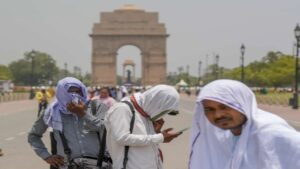
India is bracing for a new high in the ensuing summer season: Heat health governance will be the key to coping,” Dr. Rajib Dasgupta discusses the increasing challenges posed by rising temperatures and heatwaves in India. He highlights that the Indian Meteorological Department has forecasted above-normal temperatures, particularly in central and eastern states like Odisha, […]
Responding to heat-related health risks: the urgency of an equipoise between emergency and equity
THE LANCET Planetary Health (Volume 8, Issue 11, November 2024)

Summary
In the summer of 2024, there were higher temperatures than usual in several parts of India. Temperatures in Delhi, a huge city with millions of residents, broke several previous records. Low-income households have dwellings that do not offer much protection from the heat, and individuals struggle to access basic amenities, such as water. With accumulating evidence on consequent impacts for mortality and morbidity, governance structures are seeking to respond in a timely and efficient manner. There is a need to recognise that heat-related illnesses and deaths are not best addressed merely as an acute disaster but as public health and economic challenges that require planned responses. Responses that are sustainable and equitable combine long-term structural efforts at resilience building with emergency preparedness and prove to be most effective in averting the largely preventable deaths, morbidities, and economic shocks arising from heat-related health risks among exposed and vulnerable communities. Joint action on climate and health enhances achievement of multiple developmental goals with multistakeholder participation. Diverse sectors, including medical care, surveillance, risk communication, disaster preparedness, livelihoods and jobs, and adaptation and urban planning, are needed to raise public awareness and engagement, induce behavioural change, and focus resources for the much-needed structural changes in urban planning and health systems that can save lives and avert damages. To reduce heat-related health risks, vulnerability, inequity, and climate action in the Indian context must be urgently addressed.
Related Post
Where is heat on my priority list?
The intensity and severity of heatwaves in India and across the globe have been steadily rising. Some desert regions in India are now experiencing extreme temperatures—reaching as high as 52°C. What once felt exceptional is now becoming the norm. Every summer, the front pages of newspapers have startling headlines on how heat has broken a […]

Tracking ‘heat health’ in summer of heat wave
India needs to adopt a decentralised model to deal with extreme events, drawing on planning and communitisation models enshrined in the National Health Mission The political heat that the ongoing Lok Sabha polls have generated aside, the effect of the impending weeks of summer on the campaign and the actual polling process is part of […]
Heat, Thunderstorms and Pakhala: Commendable work by our Field Teams
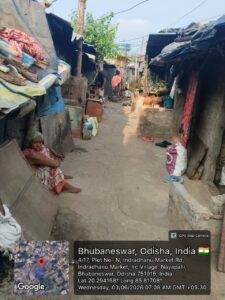
The project team has been implementing cool-roofs as an intervention as an experiment with treatment households having their roofs painted with white reflective paint, and a control group which does not receive this intervention. Measurements of indoor and outdoor temperature and humidity, and physiological parameters are being done for both groups. Our field teams are […]