
Heat Health Sensitisation Workshop, Jaipur, 12-13 June 2026
-
Event Date
12-06-2026 - 13-06-2026
-
Event Time
11:00 AM - 06:00 PM
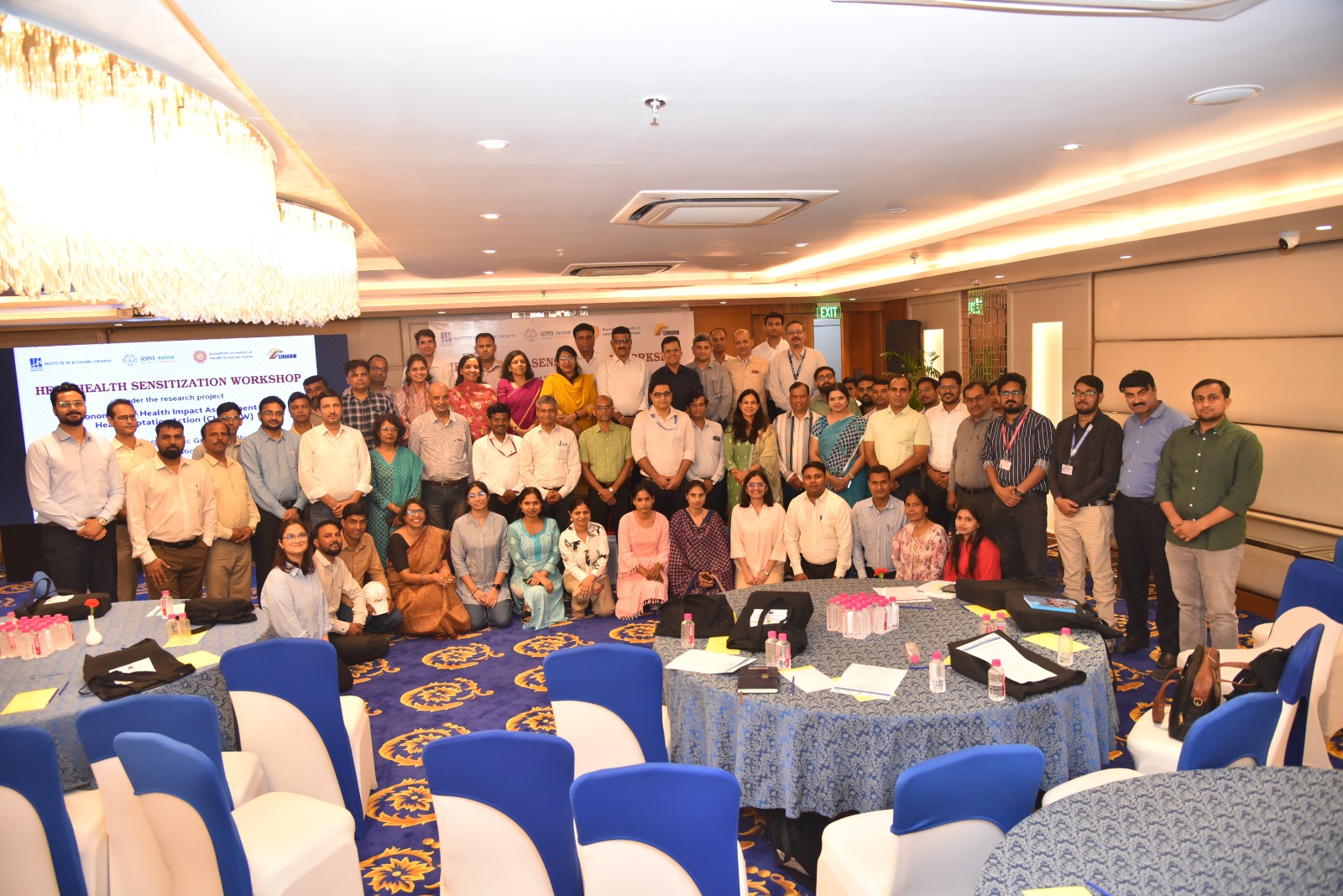
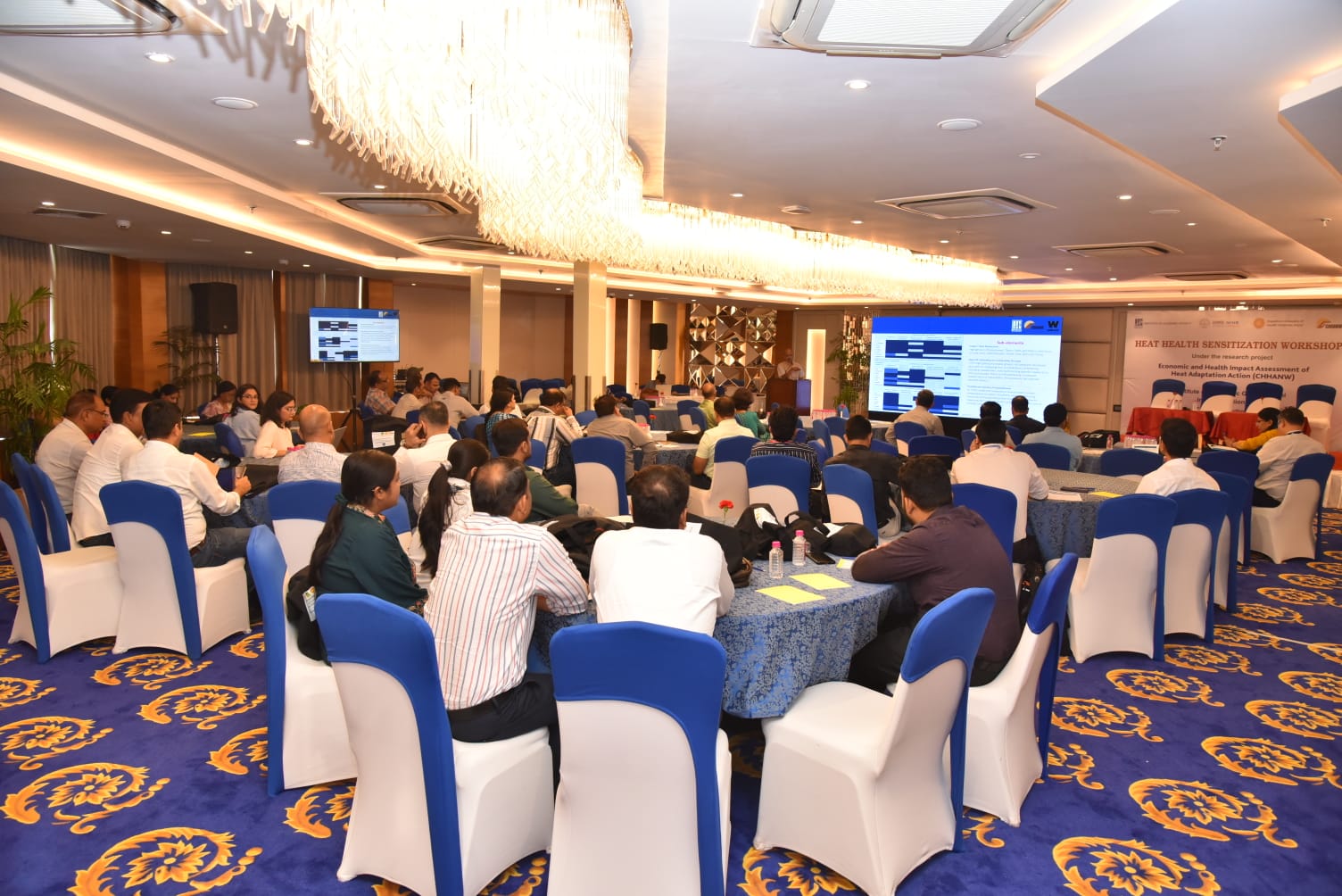
 This Heat Health Sensitisation Workshop brought together on the first day, senior officers and programme managers of the Directorate of Health Service, Rajasthan along with hospital administrators and clinicians of Jaipur district, Jaipur Nagar Nigam and ICMR-NIHR Model Rural Health Research Unit and faculty and residents of several Medical Colleges of the city. The second day brought together frontline health care staff including Community Health Officers, ANMs and ASHAs as well as nursing and paramedical staff. The Workshop aimed to foster a collaborative environment for identifying, managing, and reporting HRI (Heat-related Illnesses) and systems preparedness for its prevention and management.
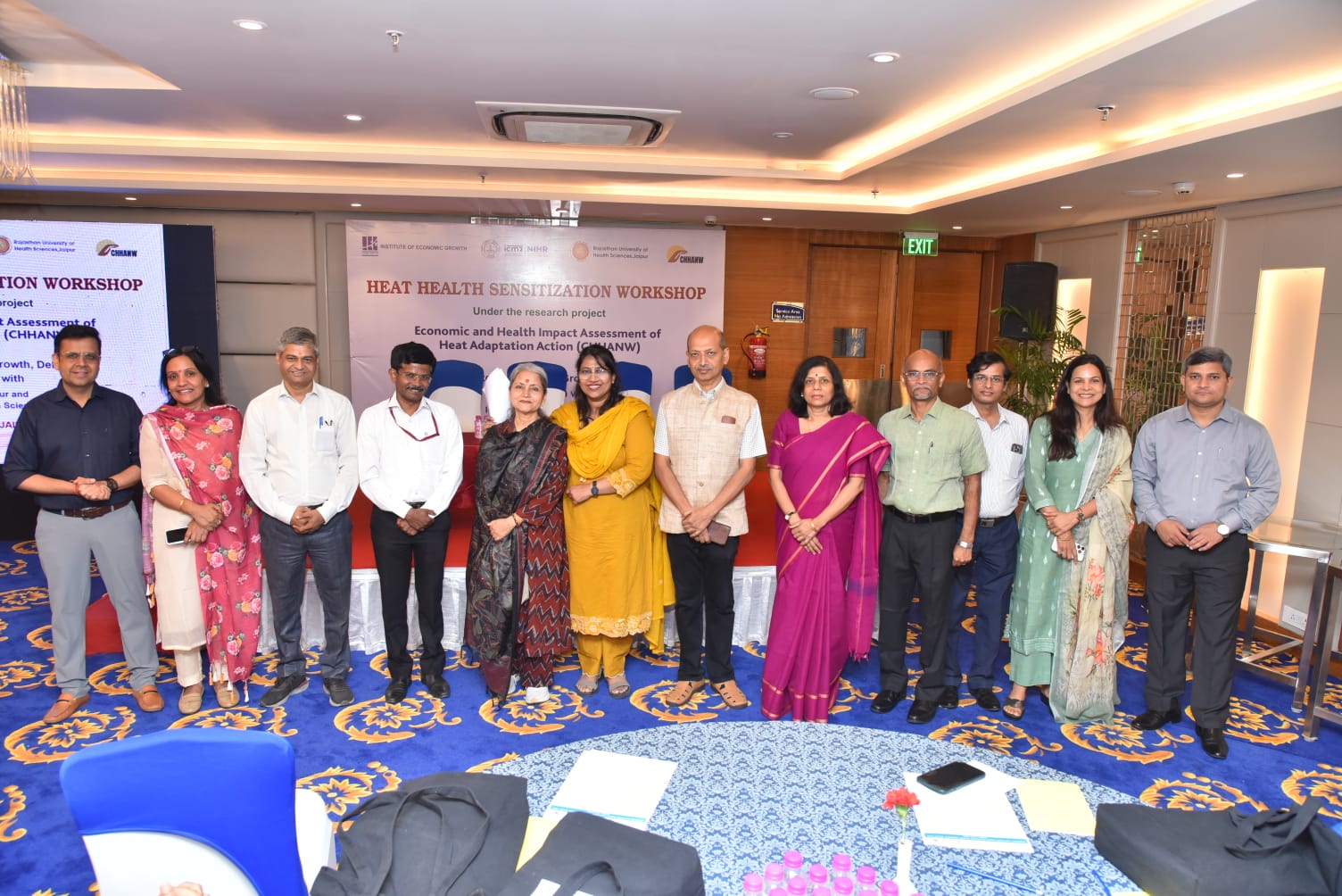
 This sensitisation workshop commenced with a high-level multi-stakeholder roundtable that drew upon the learning of a series of Heat Health Forums held at Bhubaneswar and Jaipur during 2024 and 2025. It focused on the review of existing systems, identifying implementation challenges and set out to frame practical solutions for policy guidance. The deliberations of the first day focused on diagnosis and clinical management of heatstroke across primary, secondary and tertiary levels of healthcare with a focus on accurate categorisation of HRI cases for adequate public health action. The importance of rapid active cooling and stabilisation of suspected heatstroke cases and management of vulnerable groups such as paediatrics emerged as a key message.
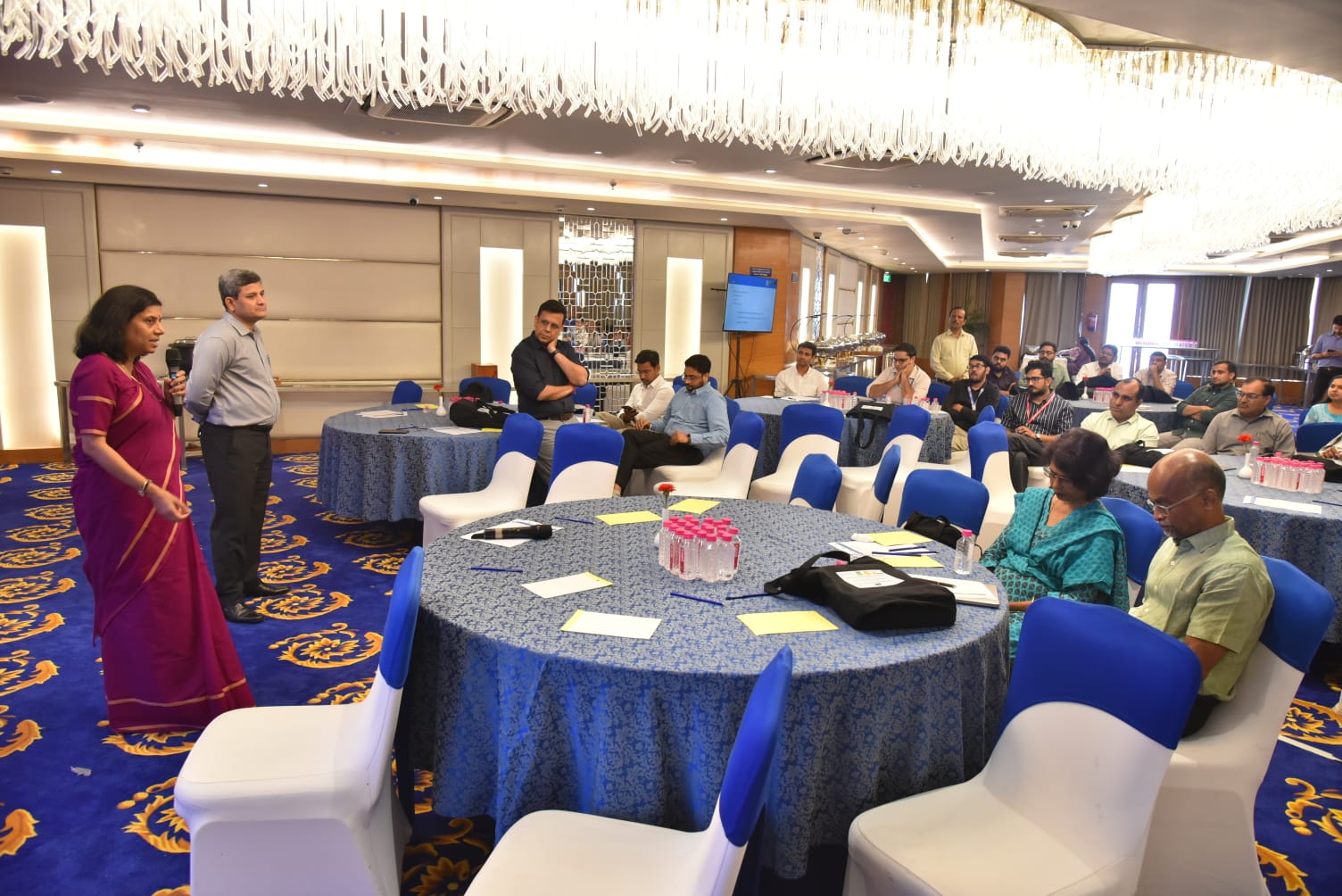 The state is focused on strengthening infrastructure, logistics and capacity building and setting up cooling areas in the health facilities with designated beds. Training on first-response management at the community level is critical. The need for designated nodal officers to improve reporting from tertiary health care facilities and medical colleges was observed. Heat Readiness Audits will be required to assess the logistics, infrastructure, human resources, cooling systems and referral preparedness in preparation of the heat season.
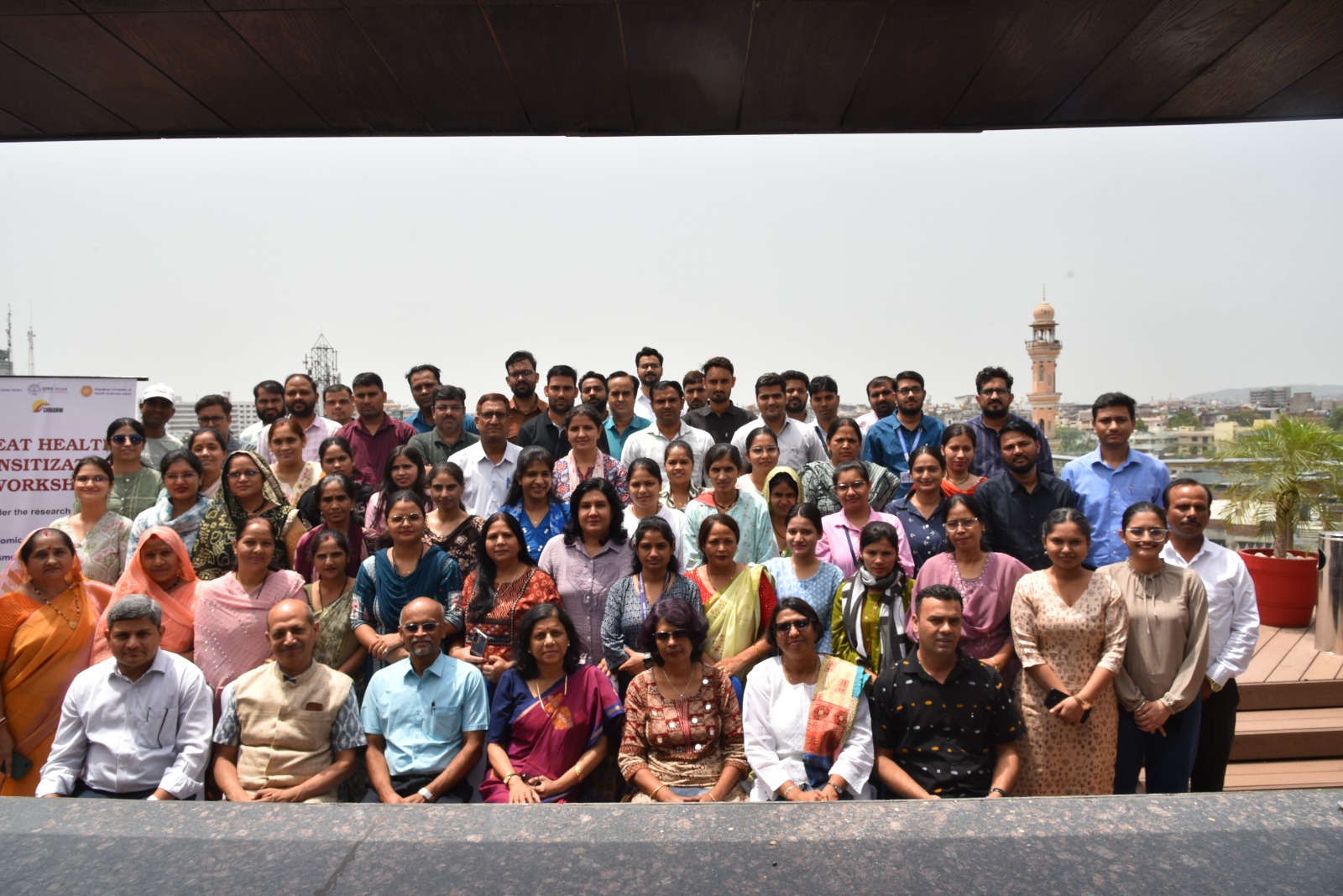
 The engagement with the frontline staff focussed on first-response management at the community level. The training focussed in depth on strengthening communication skills including techniques of social and behavioural change communication and risk communication. Strategies for protecting frontline health staff from extreme heat, particularly in its gendered dimensions, focussed on protective clothing and adequate rest and hydration.